
I was peering out into the garden where the weather is decidedly foul when I spotted this fellow, young Tufty Fluffytail, sheltering from the wind and rain.

How many of you out there remember the real “Tufty” ?
How many joined the club ?
I was peering out into the garden where the weather is decidedly foul when I spotted this fellow, young Tufty Fluffytail, sheltering from the wind and rain.
How many of you out there remember the real “Tufty” ?
How many joined the club ?
Thursday and another day spent blowing away the cobwebs. The question was where to go, where could we get some fresh air but without risking getting soaked. The answer was The Weald and Downland Open Air Museum at Singleton.
Just a short twenty-mile drive from home, the museum is set in the heart of the South Downs and is encompassed by the South Downs National Park. It is home to around 50 historic buildings that were previously facing destruction. Those buildings were carefully dismantled and have been rebuilt here. All of the buildings, spanning the period c.1300 to c.1910, originate from the Weald and Downland of the counties of Kent, Sussex, Surrey and Hampshire. The museum is set against an ever-changing backdrop of the Sussex downs.
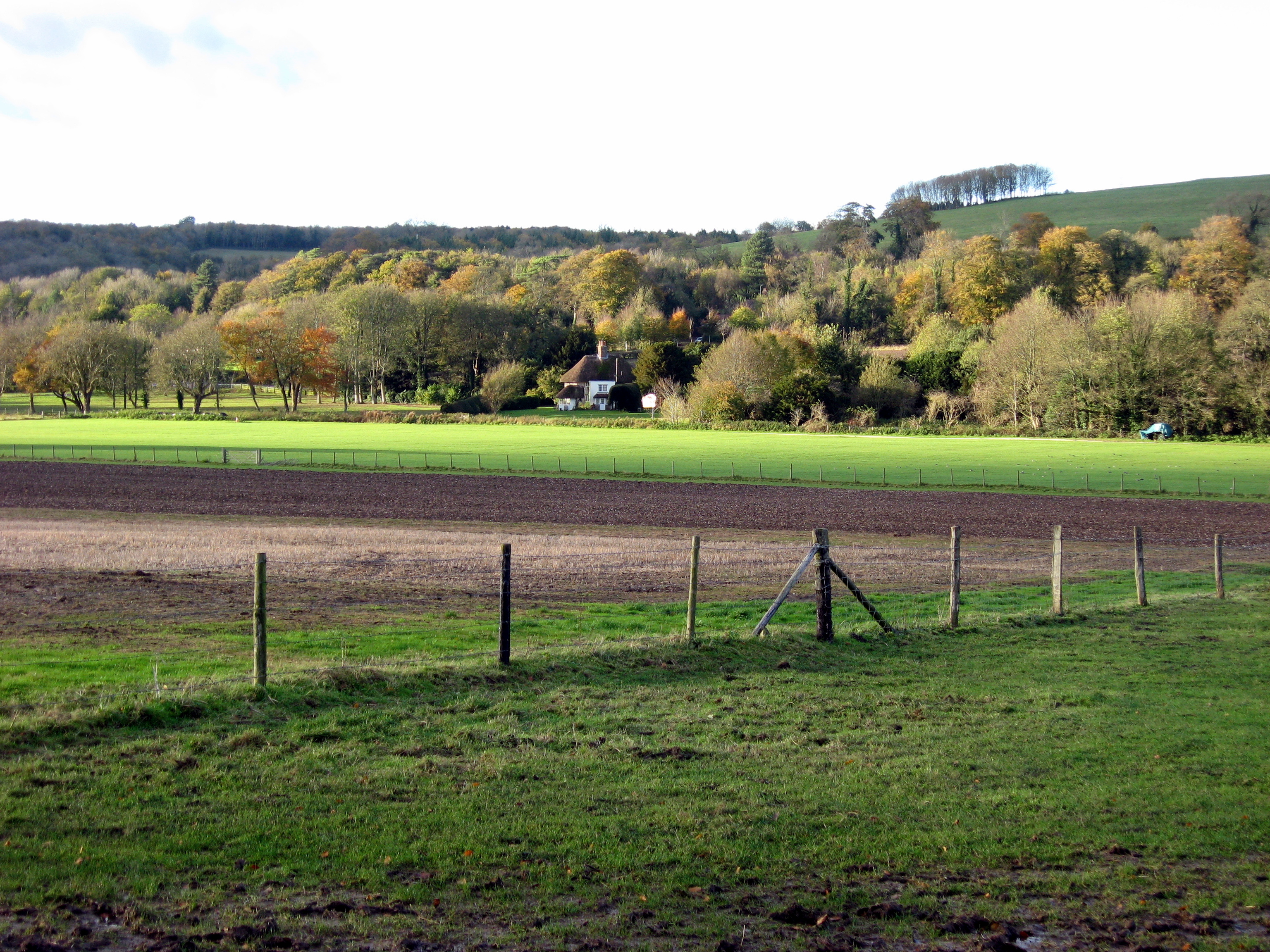
Brilliant scenery, interesting historical buildings with animals mixed in. What better way to get fresh air and exercise.
On entering the site and paying a quite modest entry fee you pass through the Hambrook Barn. The barn has an interesting audio / visual display, with many photos of past and present artisans, some of whom may have worked in some of the buildings in the museum

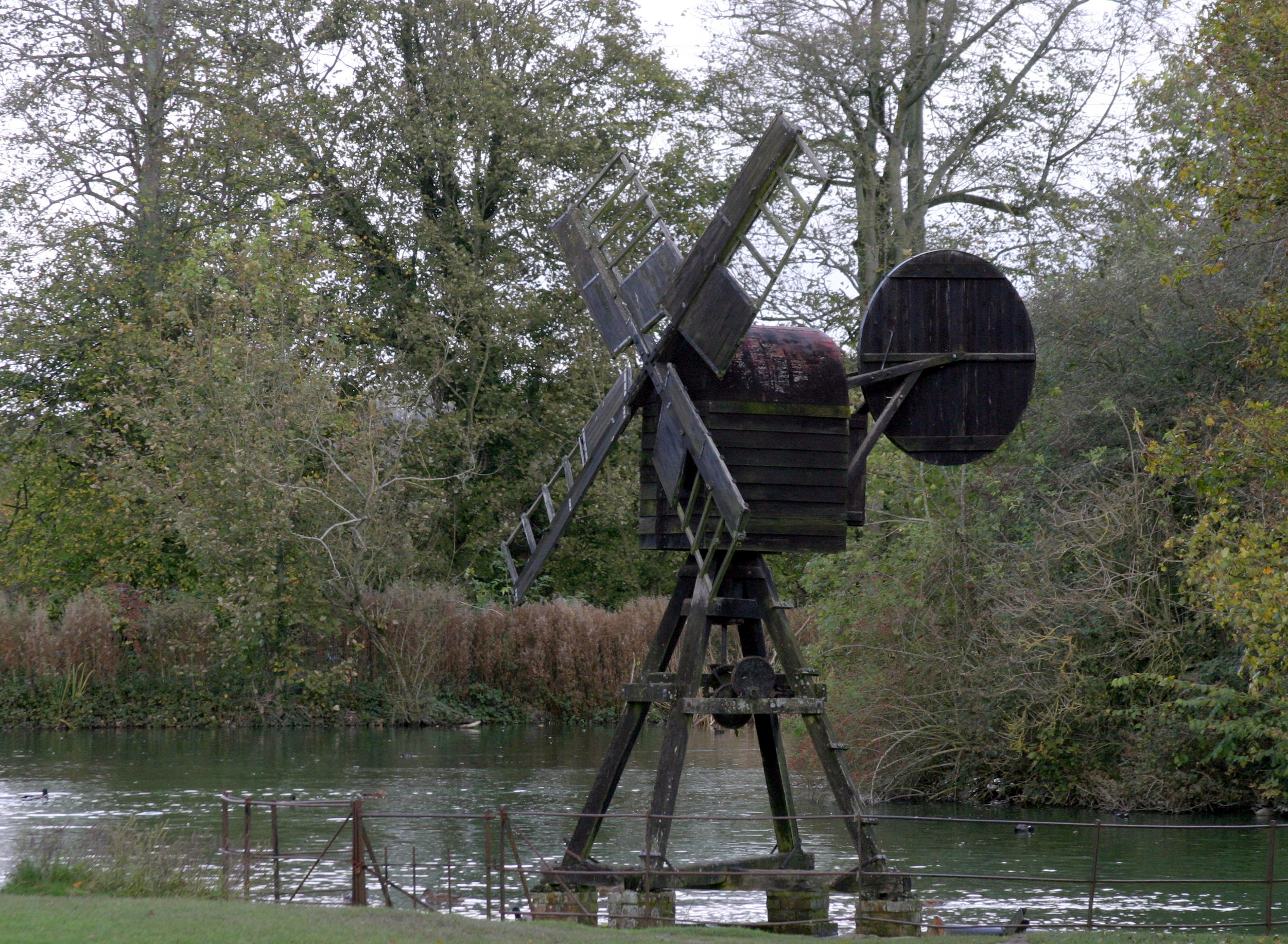
Passing through the barn you are presented with a high level view over The Market place and down to the pond which has a wind powered water pump. The pump was relocated from Pevensey in Sussex.

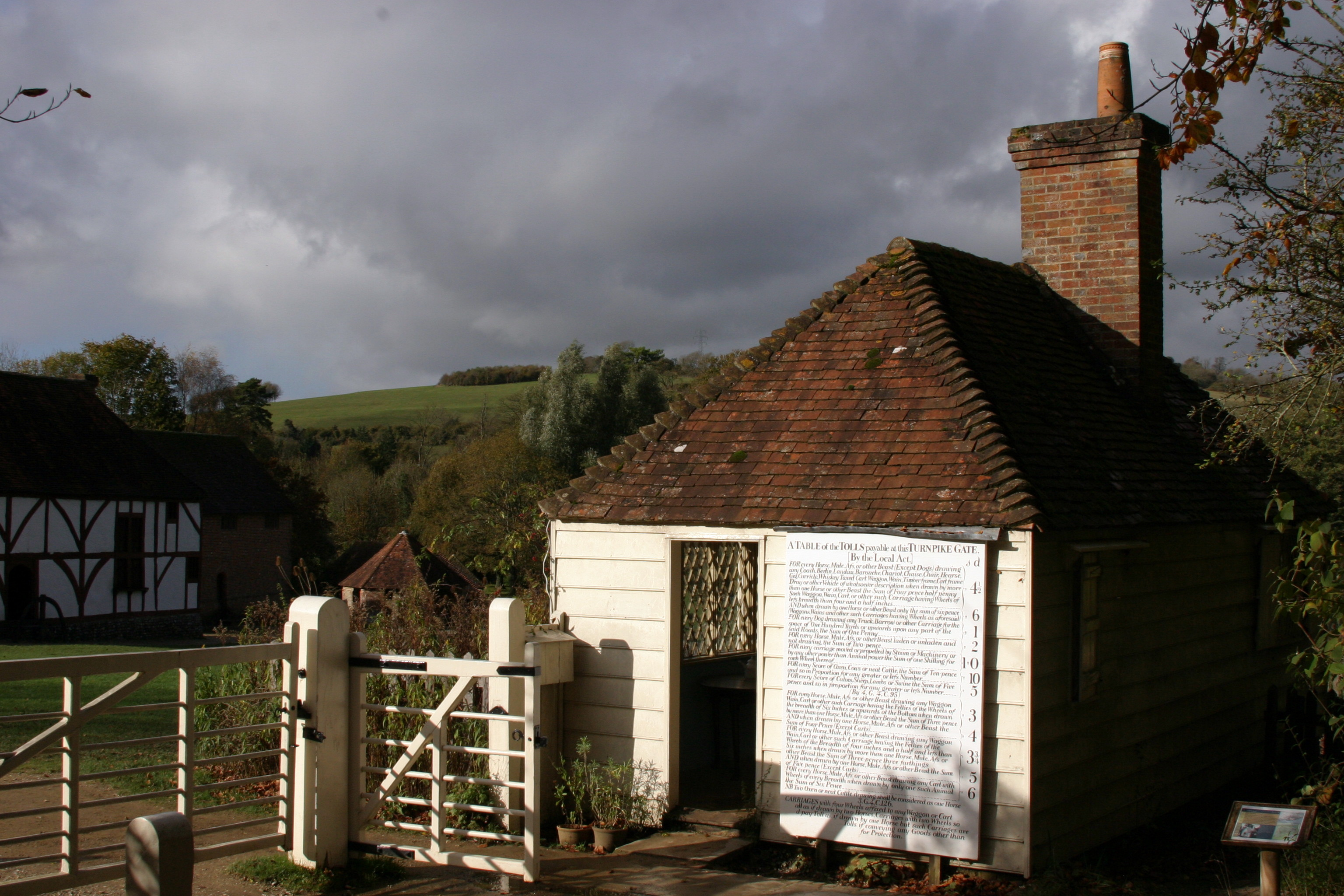
As you stroll down to the pond area you pass the old Tollhouse which was originally from Beeding in Sussex.
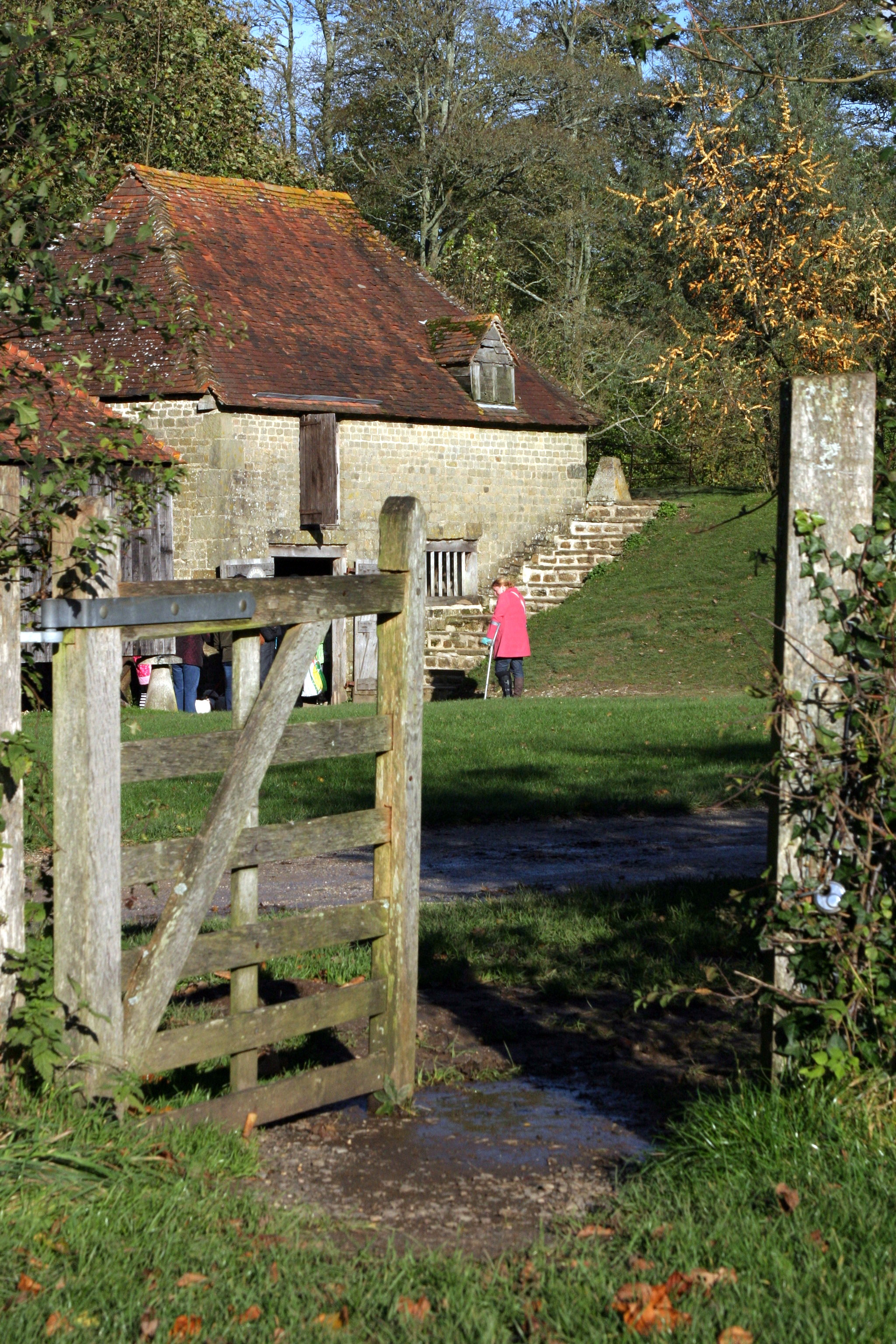
Sat below the pond is the mill that the water drives. The mill is in operation and you can go inside and view the workings as well as purchase fresh ground flour and other goodies. We came away with a number of packets of local biscuits. Yuuumy !!!

Further round the site there is a working Smithy. The building originates from Southwater which by the way is where some of my family have lived in past times. My grandfather used to work the horses on farmlands around Sussex and who knows he may have visited this building or may have had his horses fitted with shoes from this forge and anvil.
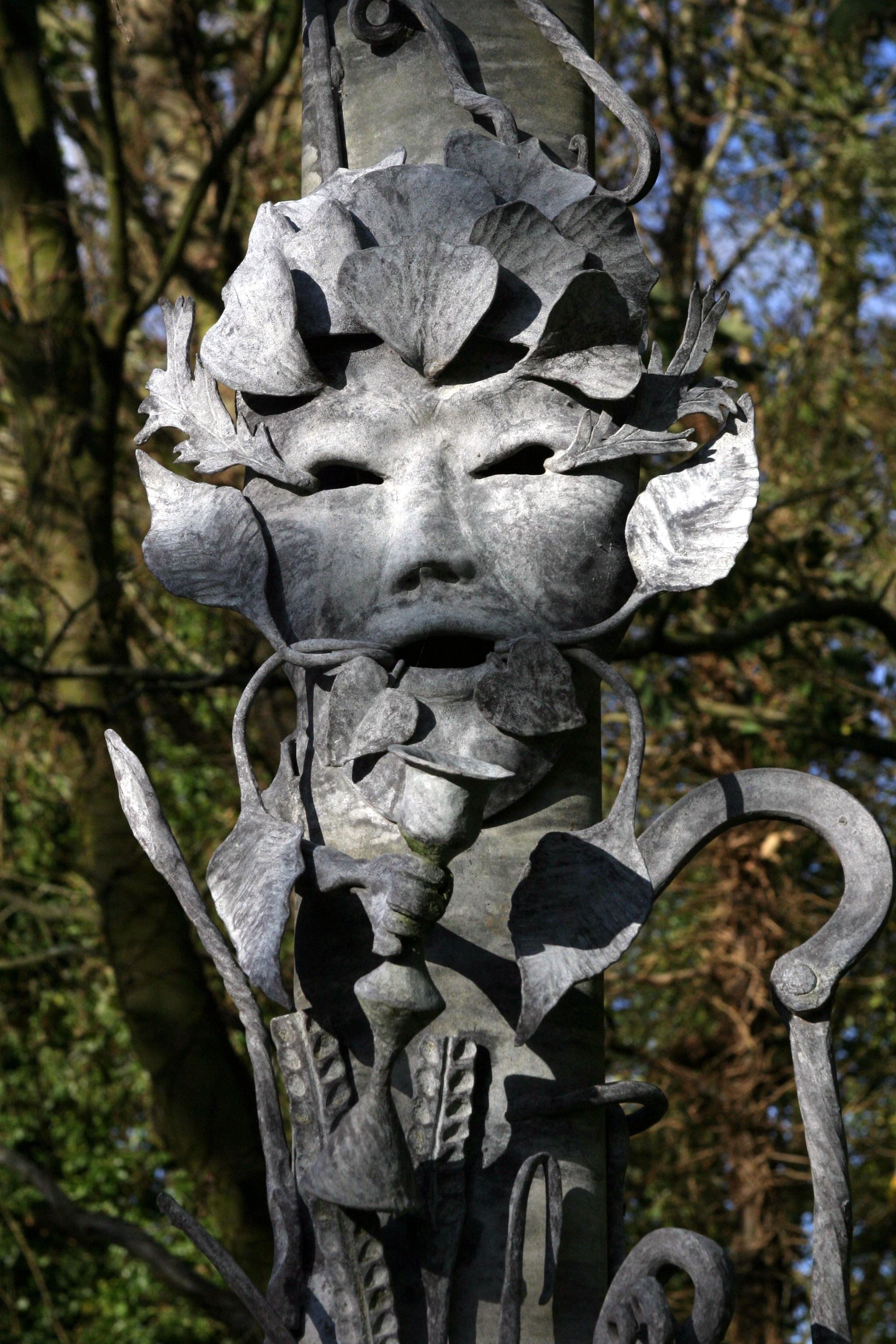
Outside the smithy there is a vertical sculpture. The photo below is a close up of just a part.
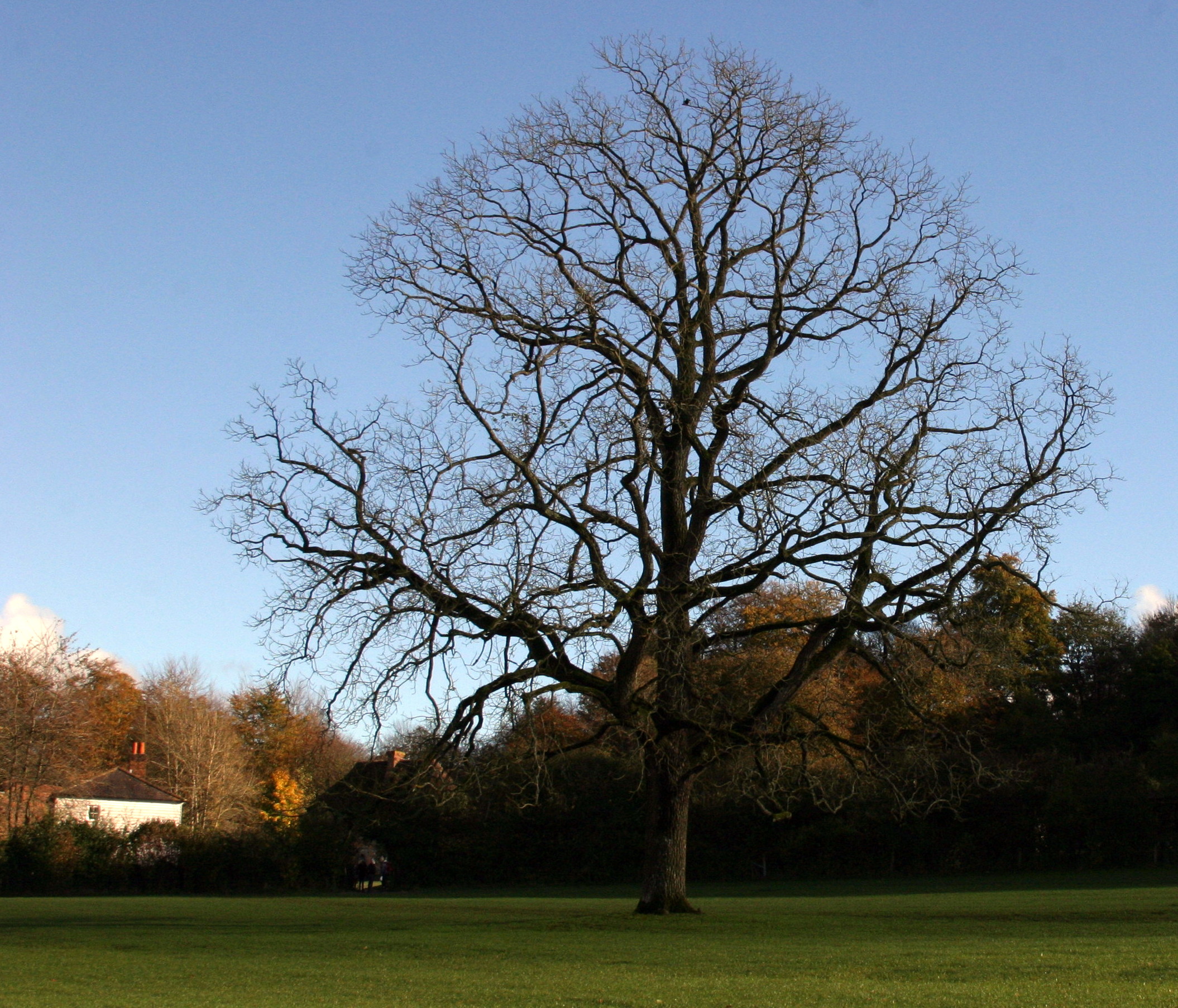
Although the buildings are the main reason for the museum one cannot avoid nature. The museum setting means that you are surrounded by beautiful trees, open fields and water.

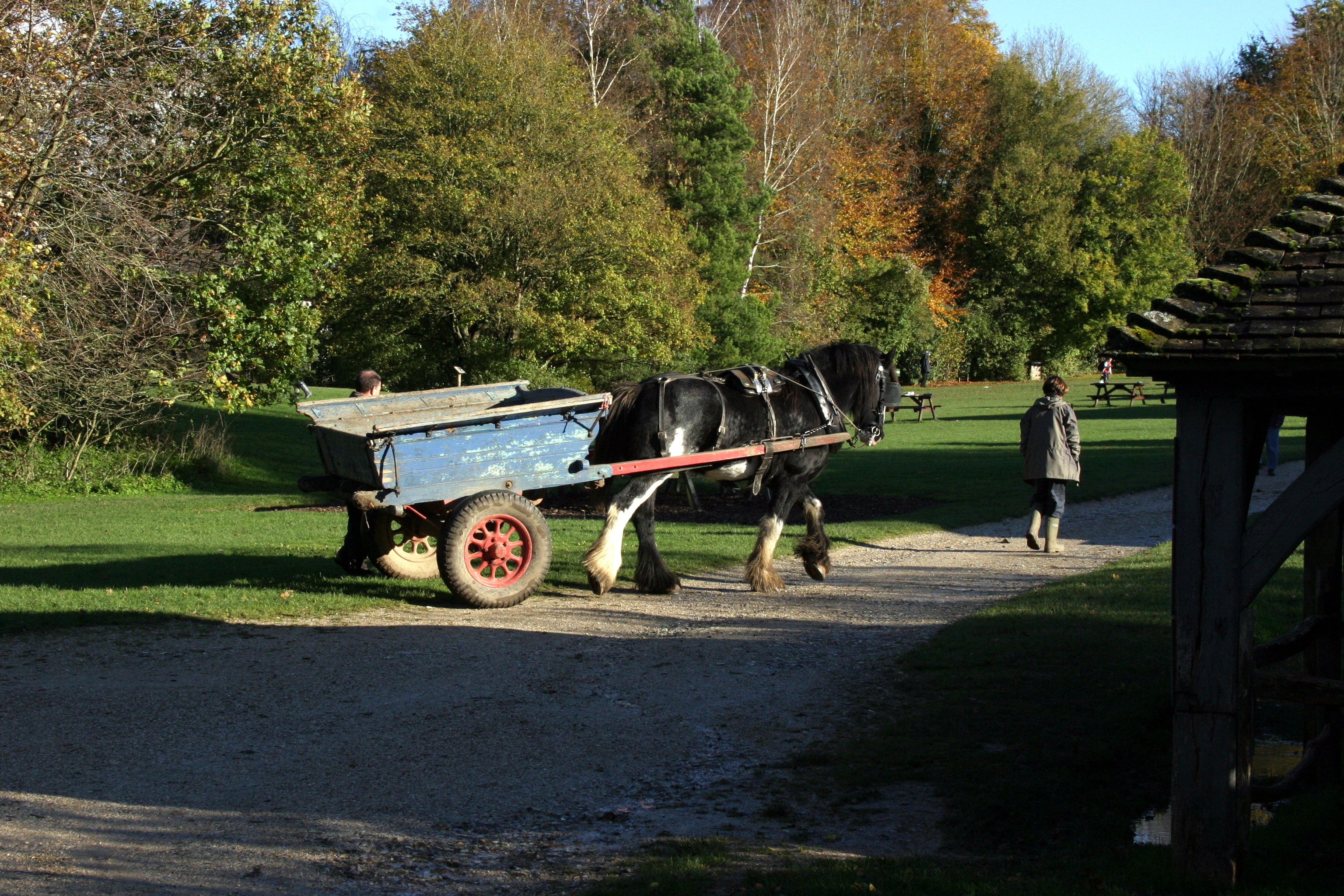
Around the grounds there are various animals most of which are traditional breeds including Shire horses, Sussex cattle, South Down sheep, Tamworth pigs, geese and Light Sussex chickens. The shire horse can be seen working around the site.

It is estimated that you need around three hours to take in all the museum has to offer. That is presumably if you don’t just sit on one of the many benches to absorb the sunshine, the beautiful scenery and the peace and tranquility.
Well for the most part anyway. Our little piece of tranquility was punctuated by a very yappy French Poodle and a large family group who could only communicate by shouting and screaming at each other.
Despite the minor negative moments we had a brilliant time and sadly we had to make our way home.
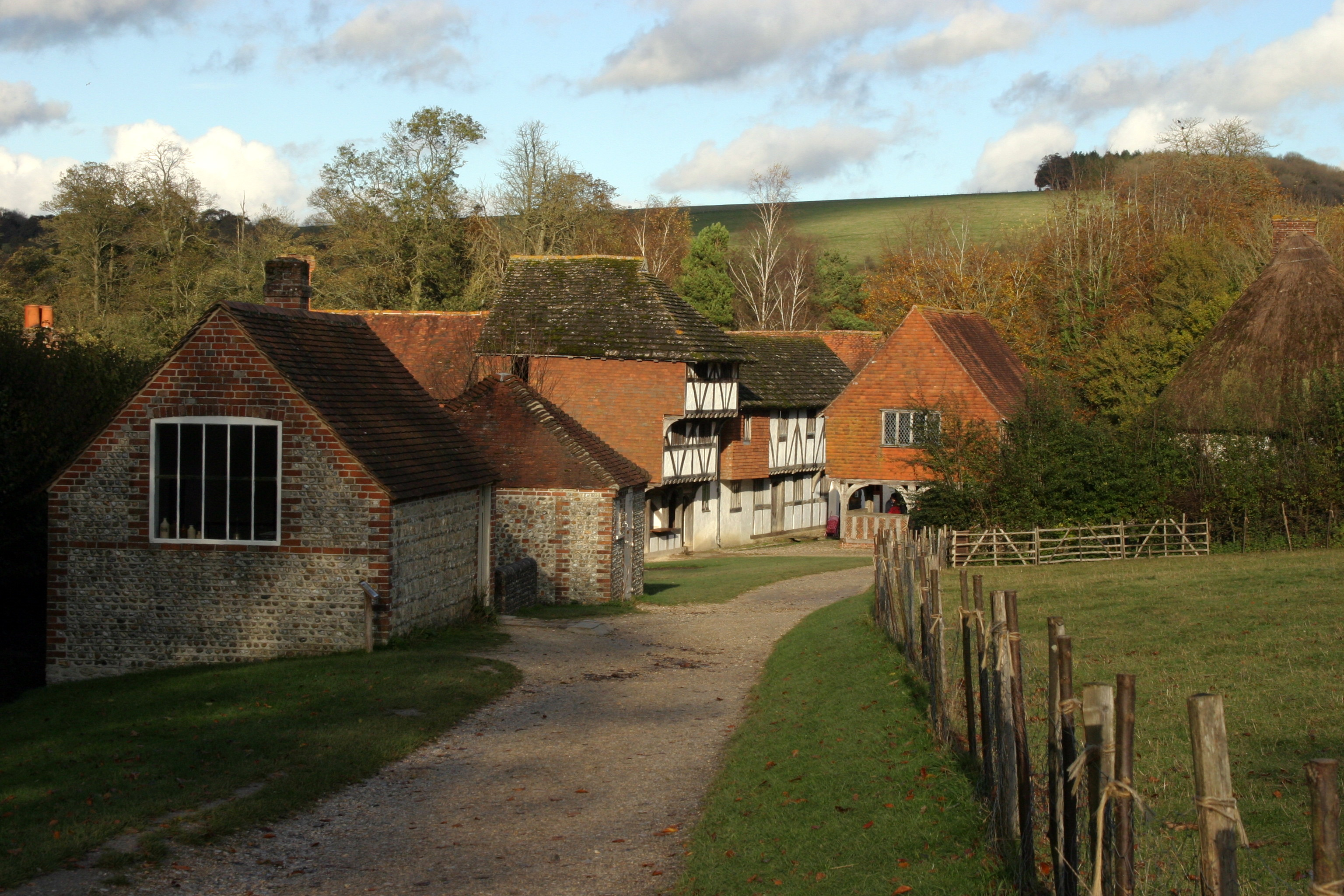
For more information take a look at The Weald and Downland Open Air Museum website. Better still go and visit. You will not be disappointed.
The line was opened by the LBSCR for goods on January 19th 1865, and for passengers on July 16th 1897. Over the winter of 1962 it was decided to close the branch line, the reason being the old timber bridge that crossed Langstone Harbour needed expensive repairs. The company could not afford the repairs and thus the line took its final fare paying customers on November 3 1963.
Many years on and the route of the Hayling Billy Line has been opened as a combined footpath, bridleway and cycleway and passes down the west side of the island. It is part of route 2 of the National Cycle Network.
Over the years I must have driven on and off Hayling Island many hundreds of times and was aware of the Hayling Billy Trail but until now had never visited.
So there we were on a very chilly Tuesday afternoon, with the sunshine coming and going, but spending most of the time hidden behind the clouds. At least it wasn’t raining. We parked up in the car park at the northern end of the trail.

As you follow the trail you can see many clues linking back to parts of the old railway . Some are a little more obvious than others. The most obvious are the remains of the old railway bridge.


As you head south down the trail to your right are the remains of the oyster beds. These are now home to many sea birds and attract many “twitchers”.

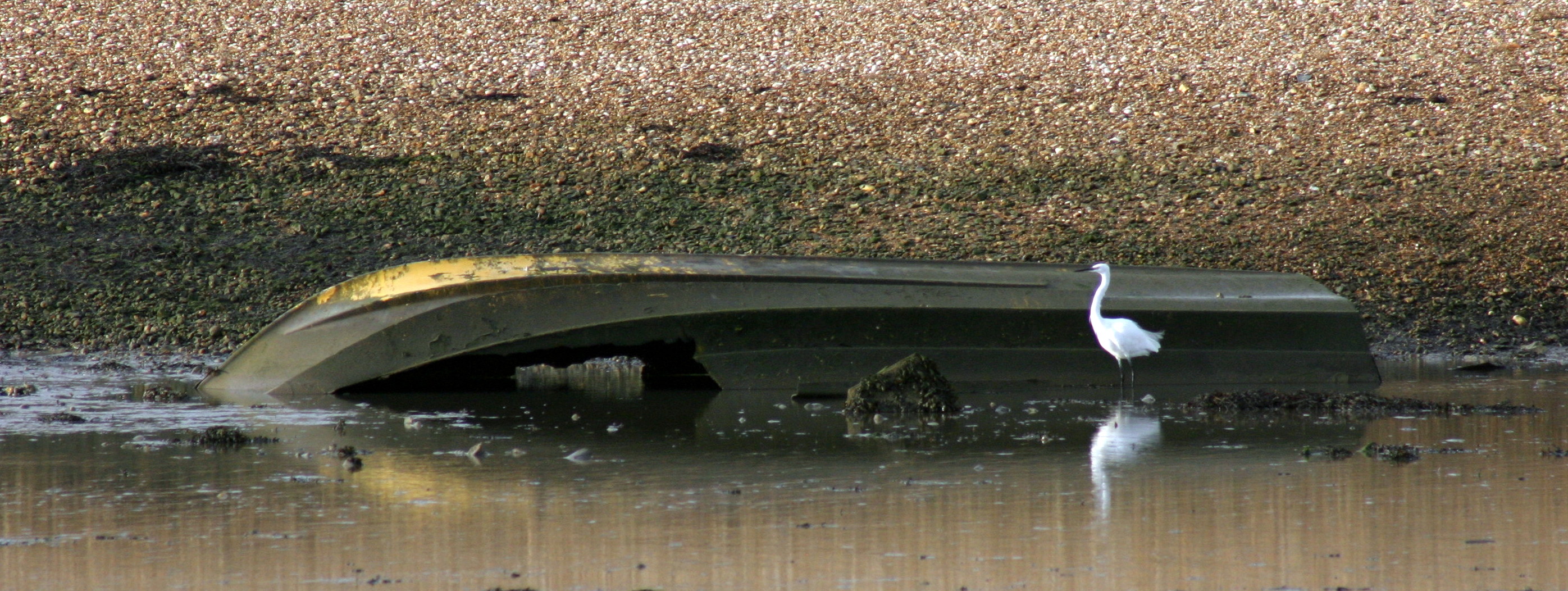
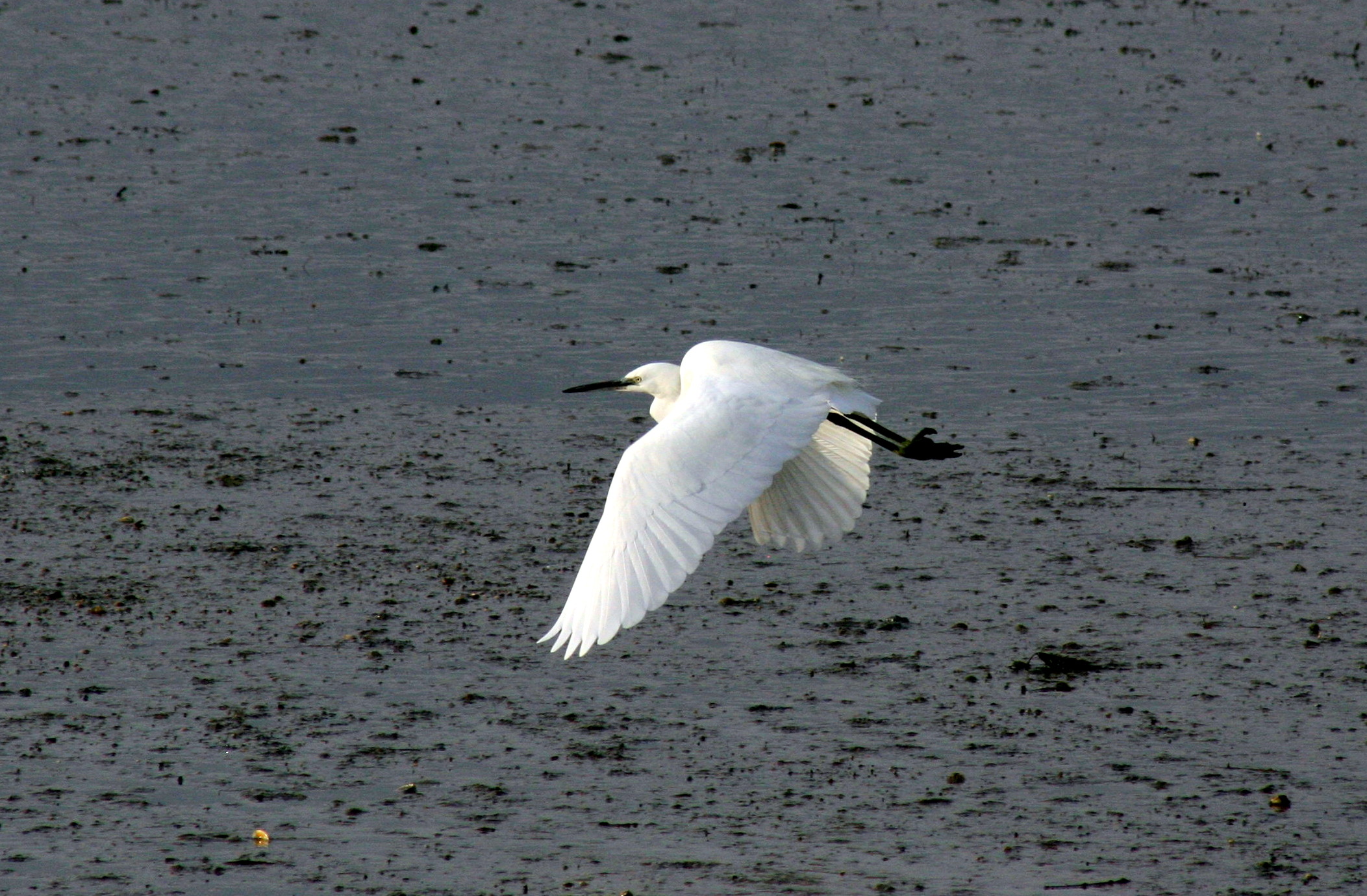
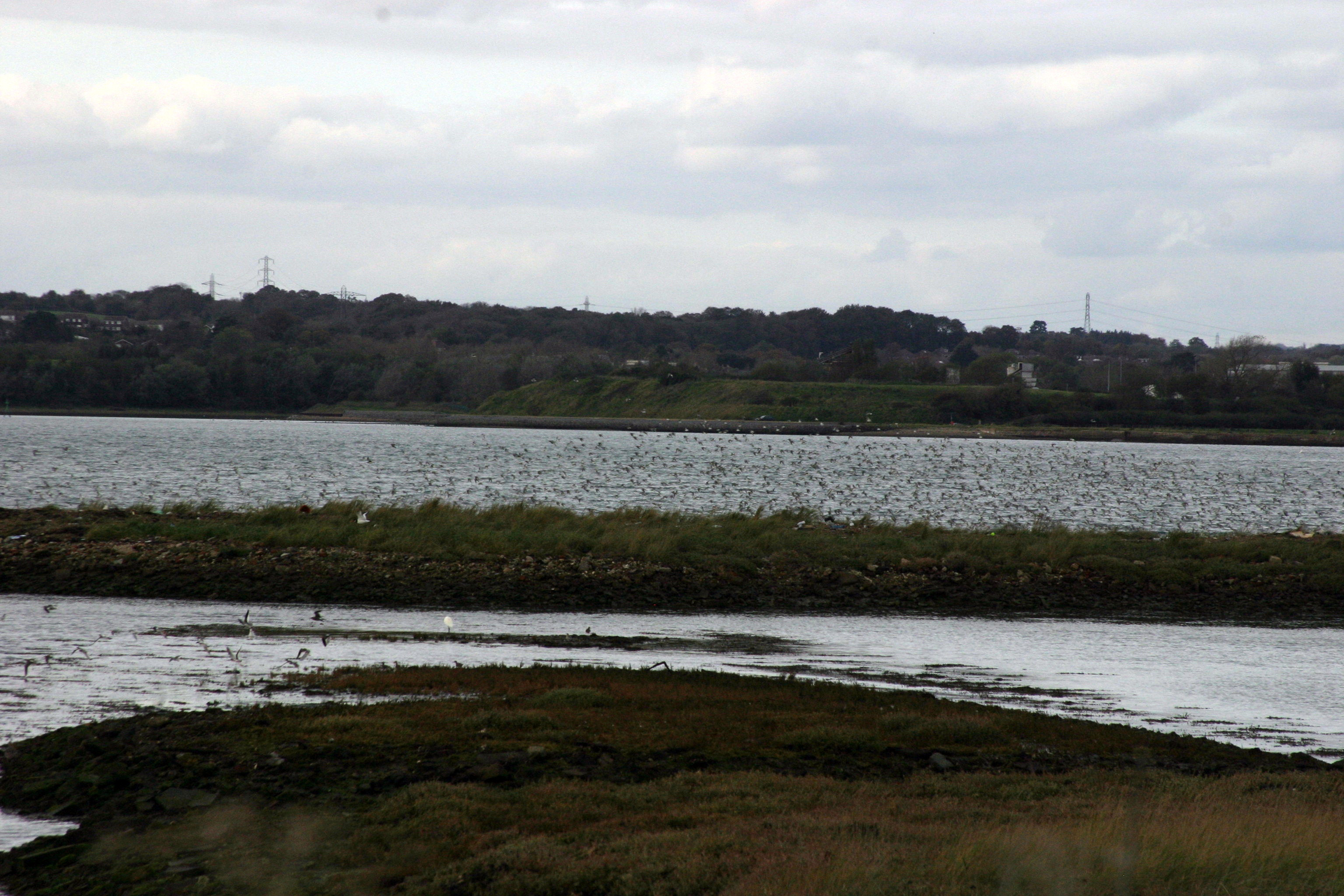
The trail is very popular and we met many folks out walking their dogs, whole family’s cycle riding and even a couple of ladies on horseback. We spent an enjoyable couple of hours strolling along taking in the scenery while the fresh air blew away the cobwebs.
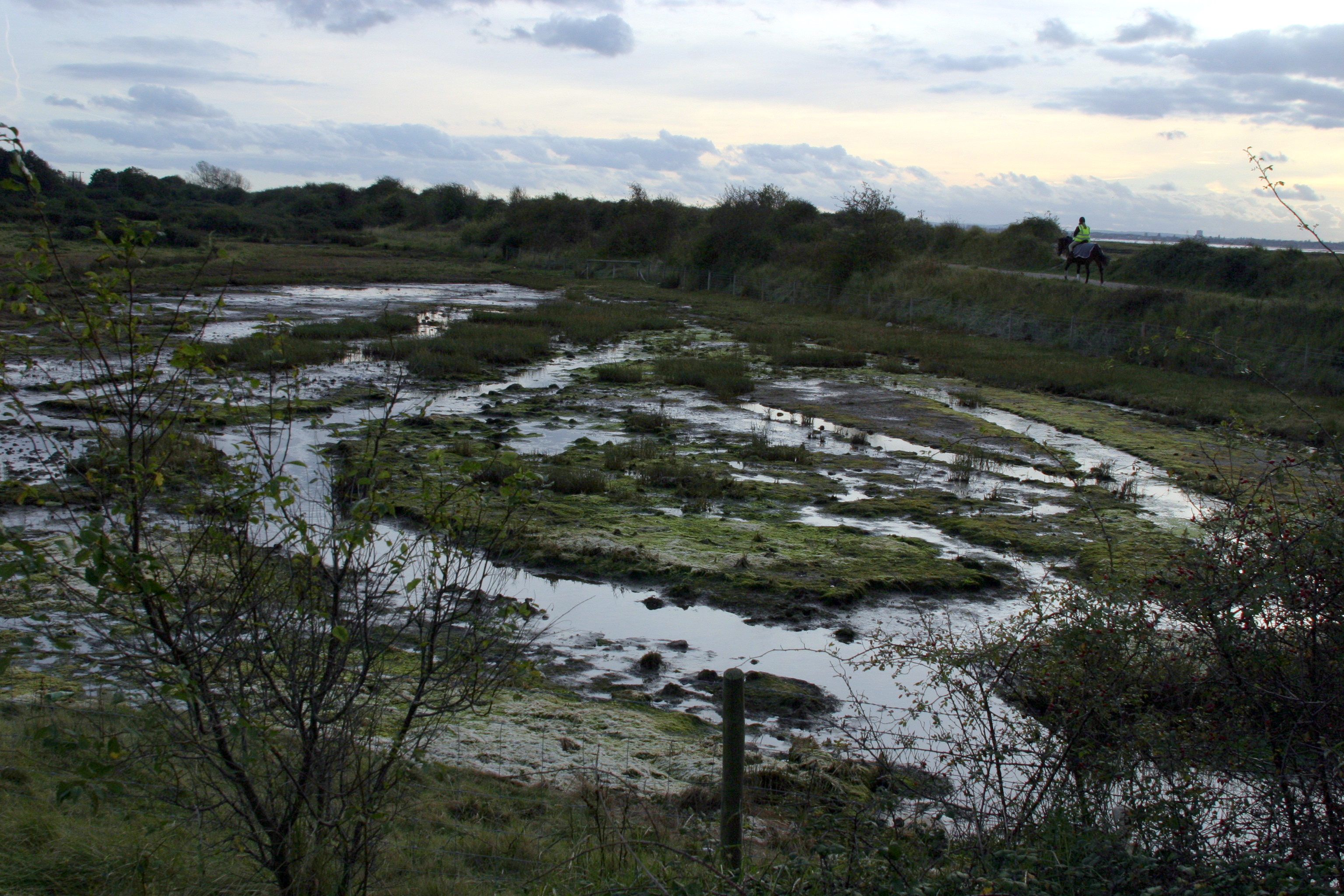
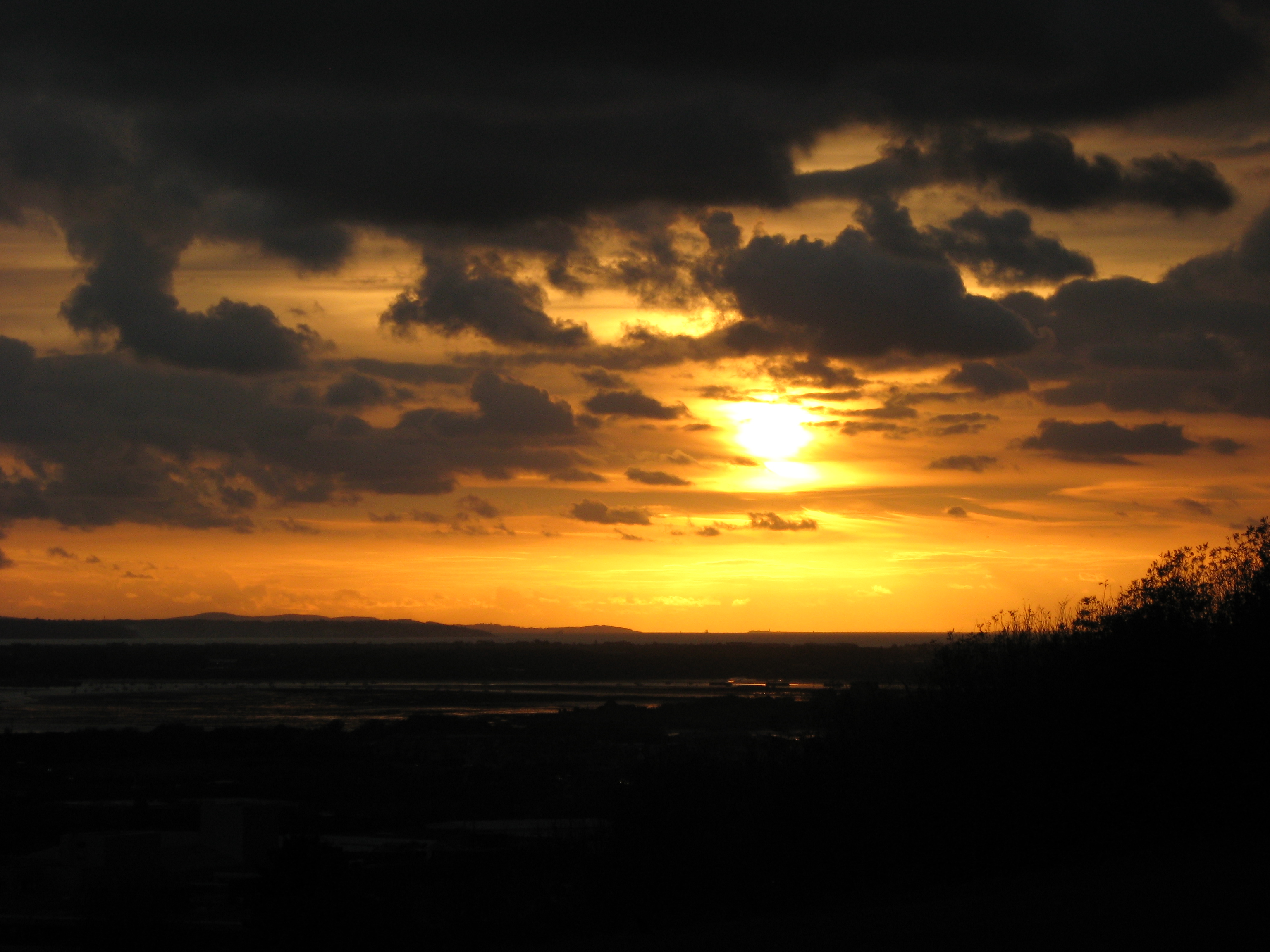
After we got back to the car we headed up to the top of Portsdown Hill for a cup of tea courtesy of Mick’s Burger Bar. There we were treated to a beautiful sunset.
These are fabulous photographs. Many of which it would be good to know the back ground story. e.g. is that birds or mud behind the elephant. What is going on with the leopard attacking the man and many more …..
Does anyone know what this is ?
My wife and I spotted two instances of this on a tree stump in our front garden on Saturday morning. I wish I had taken the picture then as this stuff was bright yellow. As you can see in the photo it is now a very pale yellow. The second instance has all but disappeared.
So, does this look familiar to anyone. Is this some kind of fungus or perhaps a form of cocoon ?

I haven’t posted from the conservatory for a while. But here are three items to make up for it.
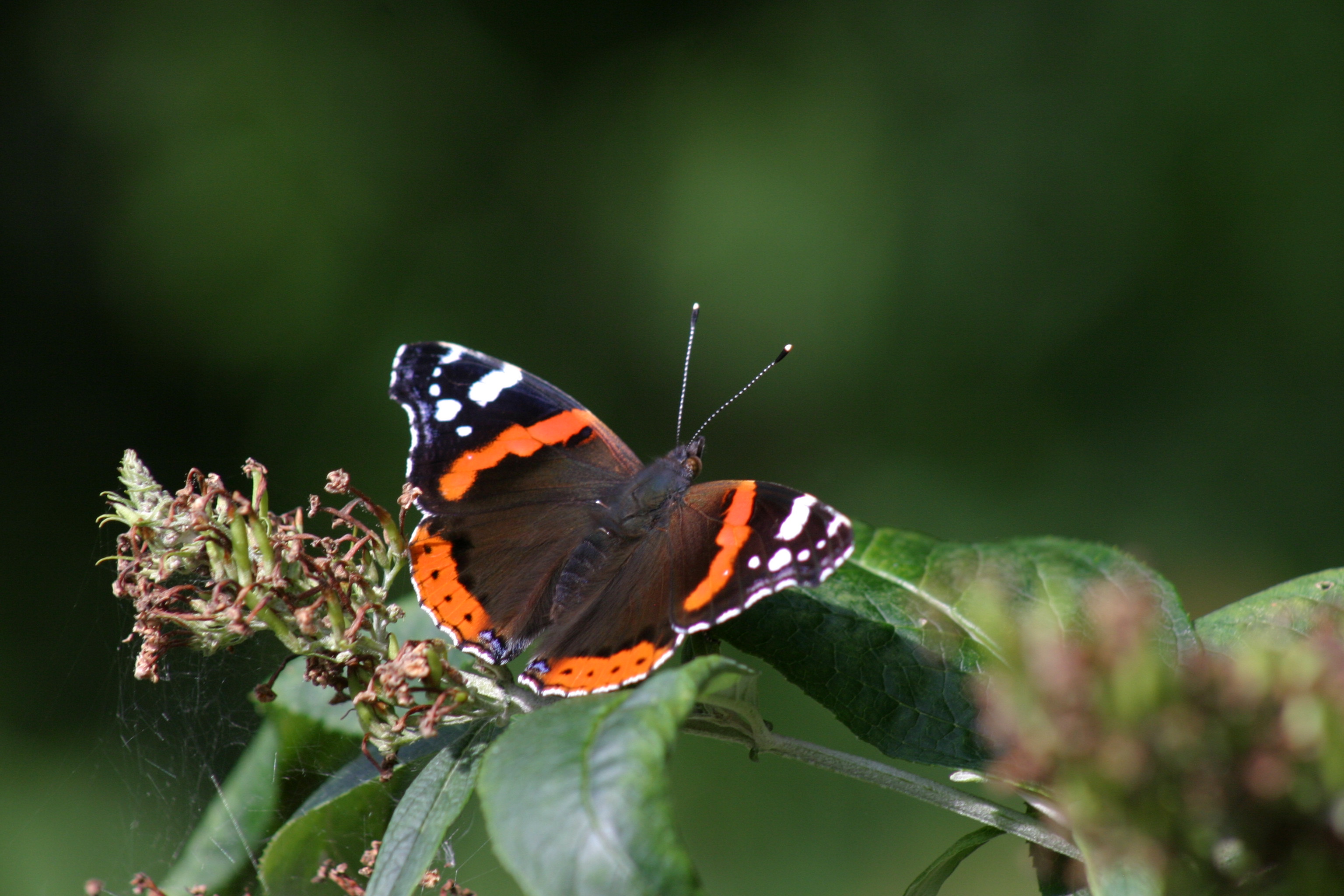
The first is a shot of a Red Admiral, a typical summer visitor who was making the most of our Buddleia or Butterfly Bush. At least in this case it was living up to its name. Most years we have hundreds of flowers but the butterflies don’t come until the flowers have turned brown.
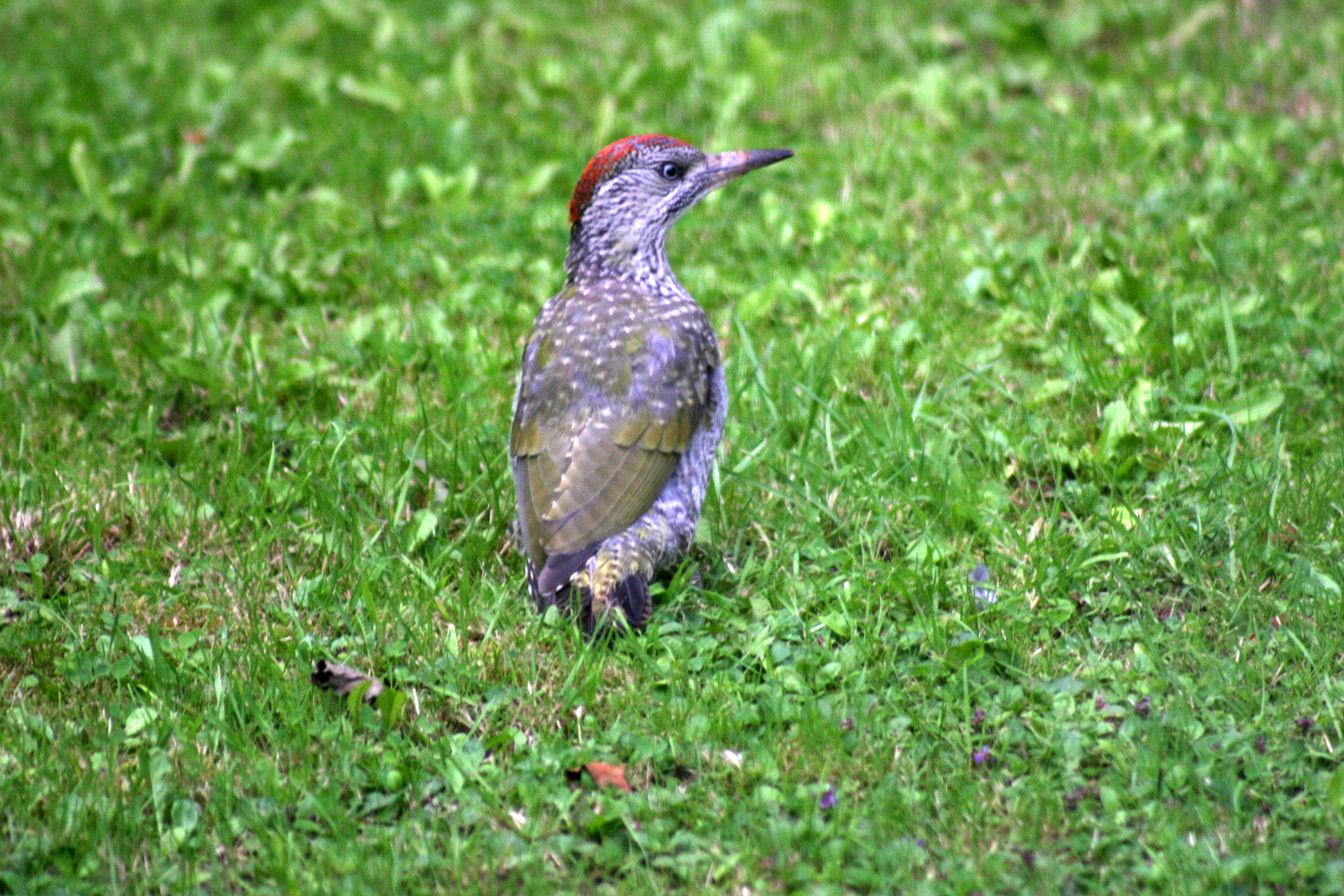
The next is of a Green Woodpecker. Not such a regular visitor to our garden but a welcome one all the same. We do see them in the area and this is the second time in recent months. This was taken through the double glazing so I consider this a lucky shot considering that I had the 300mm lens on as well which makes it a bit more difficult to keep the camera stable.
And finally a bit of humour. I was just mowing the lawn and popped indoors for a cuppa tea. When I cam back out my mower had all but disappeared. I blame it on this mixed up summer weather that we have had this year.

My lucky day today.
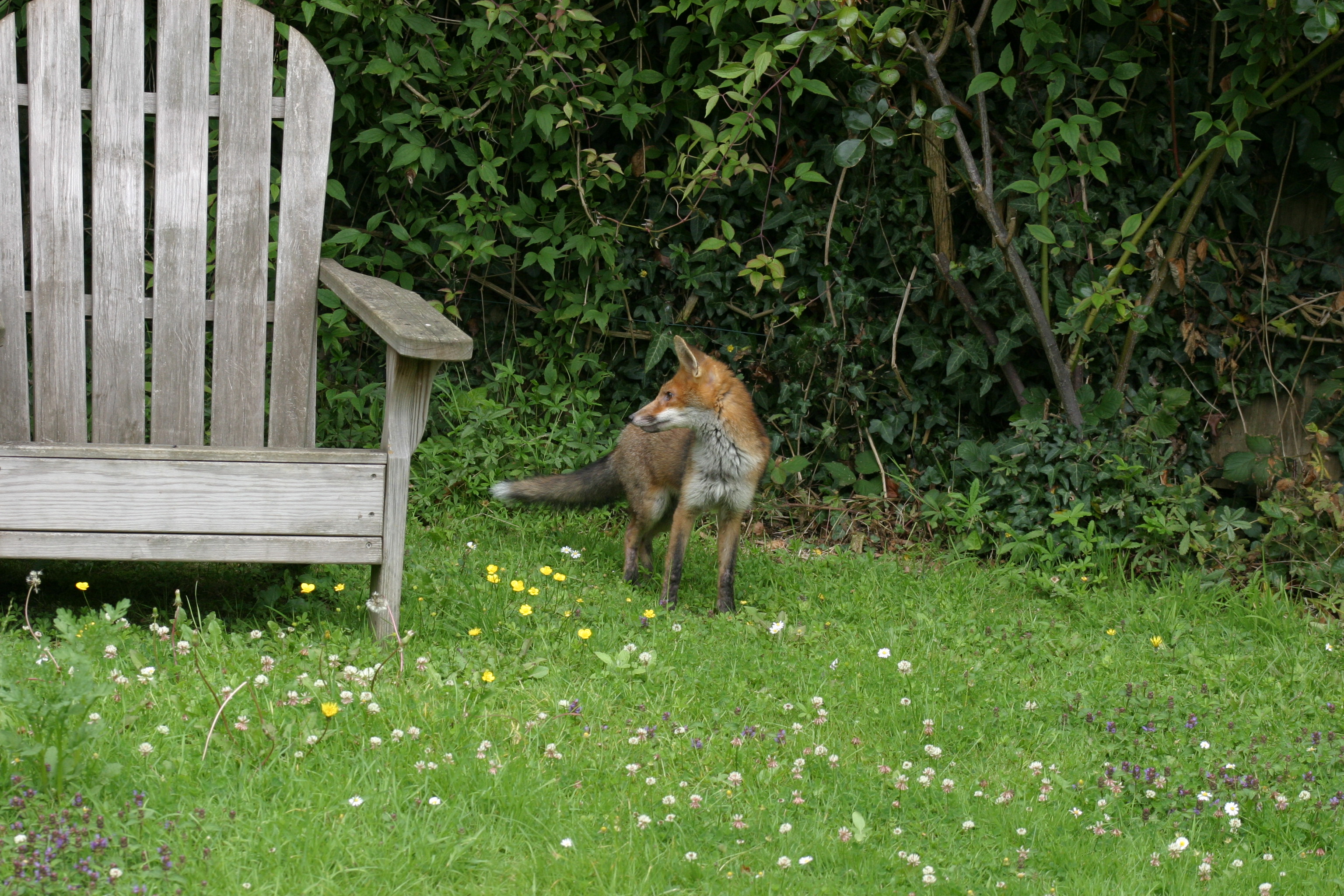
I had just gone to look out the window when I spotted a movement behind the Buddleia. Out strolled an adult fox.
Not your usual reddish brown this one. No, he was more your builders sand in colour with a dark. almost black, stripe saddling his nose.
So he took a quick look around then, deciding the coast was clear, he ambled across the lawn looking from side to side until he disappeared past the apple tree.
I am glad that they are still around. I hadn’t seen the foxes about for sometime. The picture above was taken five years ago.
I’ve been messing with some old photo’s. Just experimenting with the digital tools on my puter. I quite like the effects so I thought I would share.

I believe these two pretty birds posed for me at the WWT Arundel Wetland Centre back in 2009.
Today I ventured out into the garden. Thought it was probably safe since the rain and the winds had subsided. The sky is still very grey but all the plants are looking very lush. So here is a sampling from the Wrantz Estate.
The first offering is one of the thousands of Aquilegia that grow in our garden. As soon as they go to seed I shake the pods all around so they pop up in the most surprising places.

The next is just a little humour. This game of chequers has been on the go for several years or perhaps they are just trying to out stare each other.

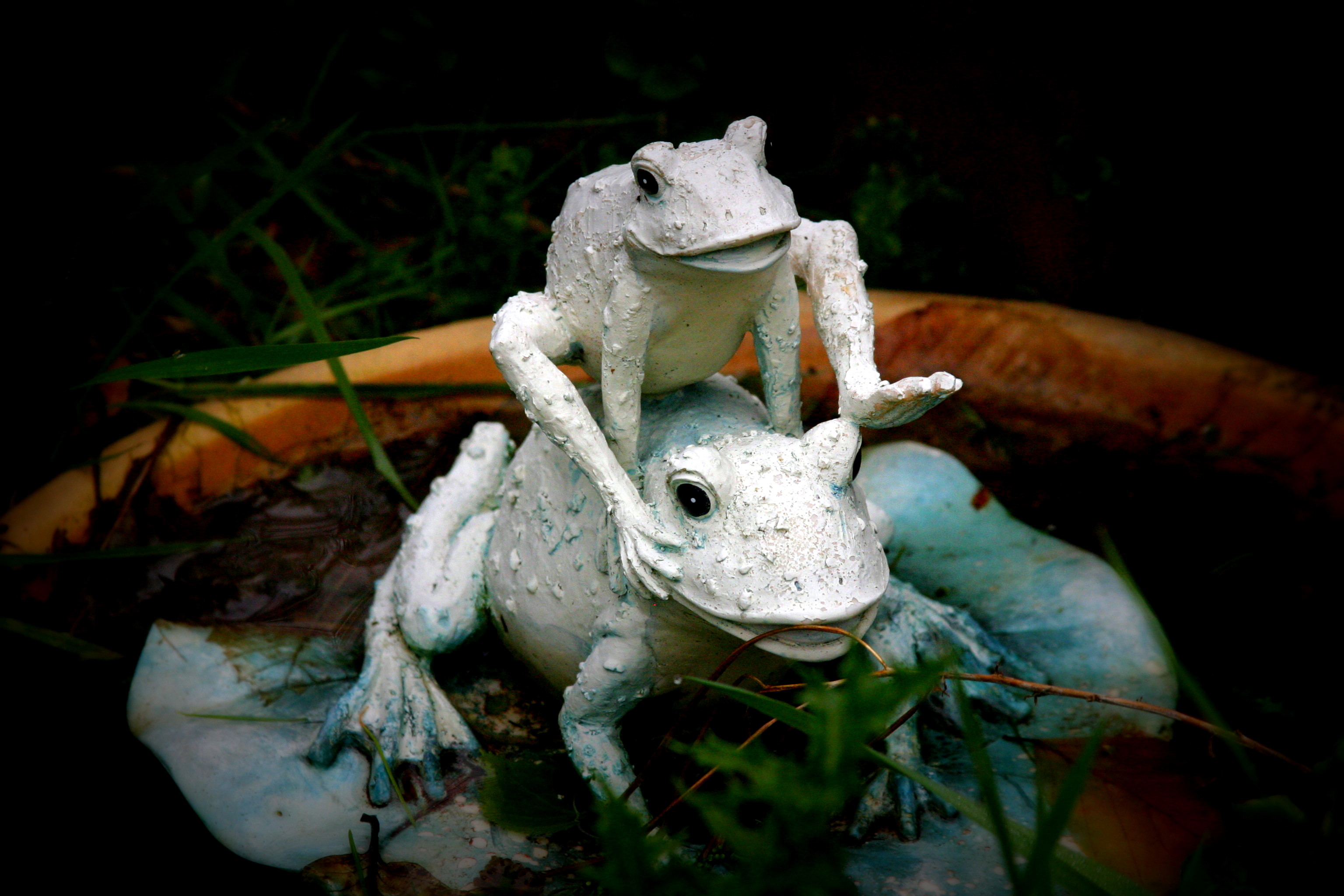
Gardens are for fun. I’m certain these two are enjoying themselves.
And last of all, for the moment, is this plant which grows in my neighbour’s garden but shares the colours, shapes and style with us by hanging over the fence. Delightful. Just one problem, I don’t know what it is. It does look a bit like Holly though.
Anyone out there know what it is ?

You can just see the leaf shape which is very much like a Holly Leaf. Answers on a post card……
Members of the public can show their support for International Fund for Animal Welfare (IFAW)’s campaign to protect elephants from poachers by joining the virtual Elephant March
Visit elephantmarch.com.
 WrAnTz