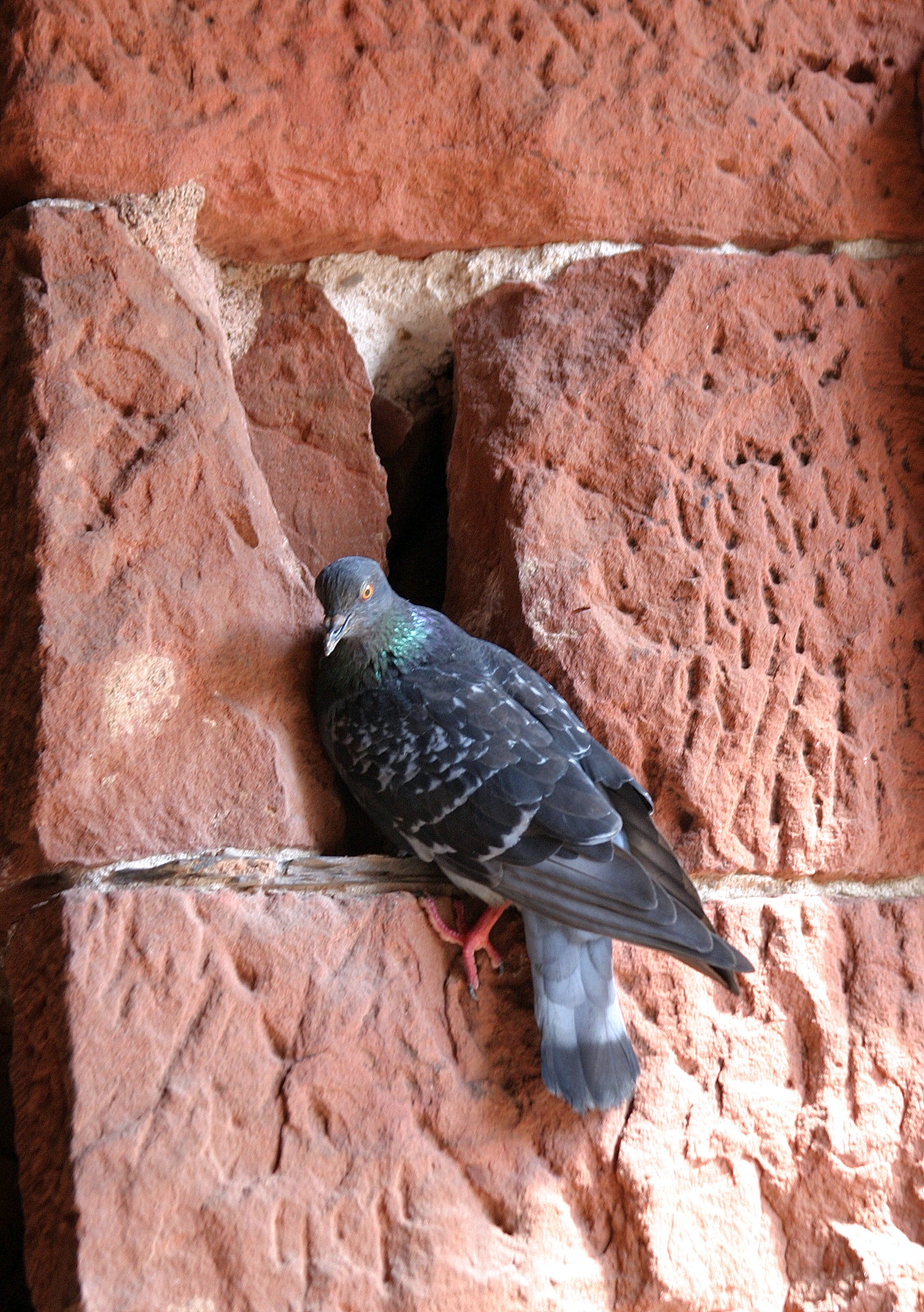
When I stumbled across this pigeon, it had its head and shoulders right in the hole. Once it realised I was there it wouldn’t stop watching me.
When I stumbled across this pigeon, it had its head and shoulders right in the hole. Once it realised I was there it wouldn’t stop watching me.


If it’s Tuesday, it must be Collonges-la-Rouge. What the heck is that ?, you may ask.
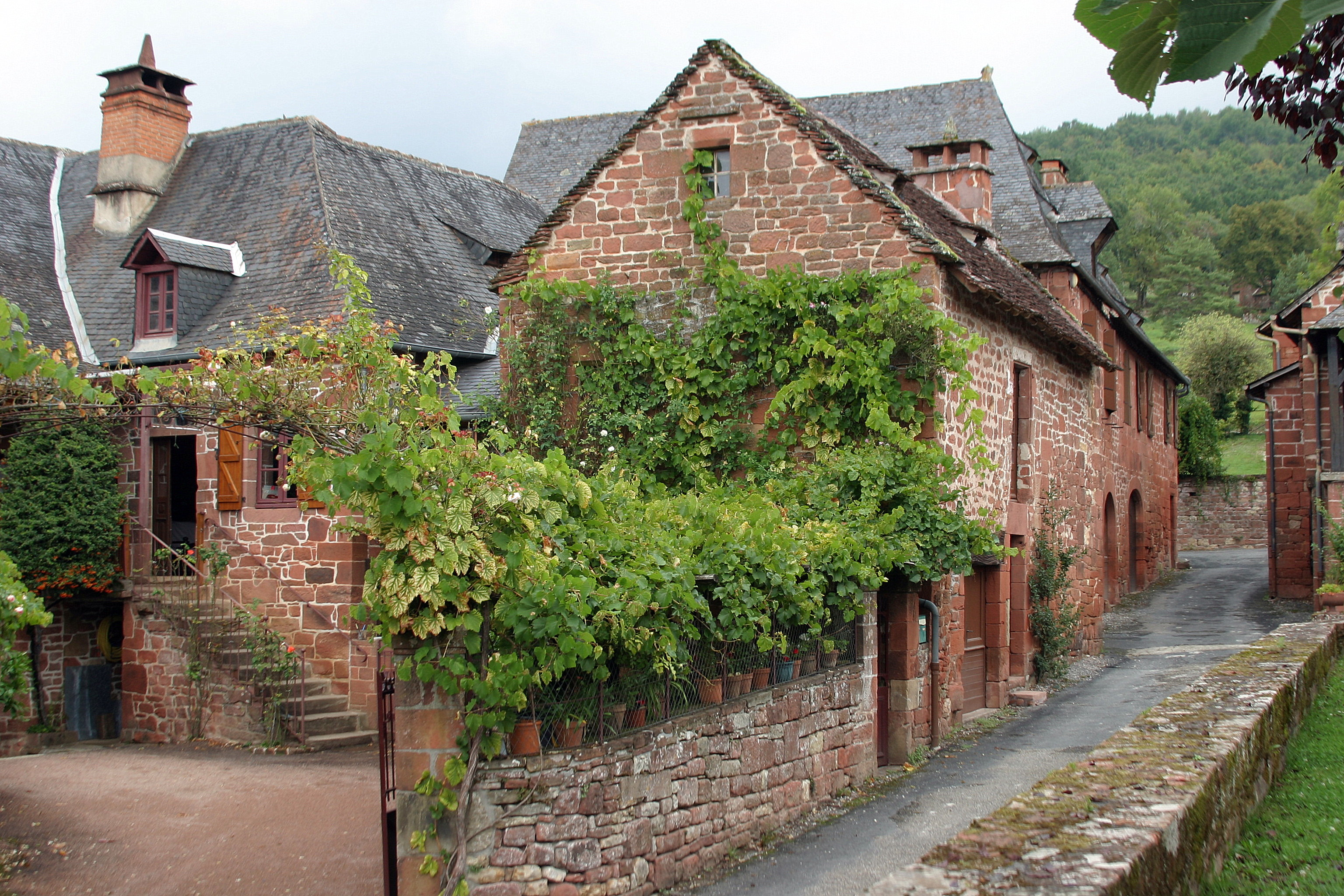
Selected as the target for a visit from yours truly this beautiful medieval village, some eighty kilometers from our gite, is listed as one of the “Most Beautiful Villages Of France” and is entirely built from a red sandstone which comes from the Habitarelle massif.
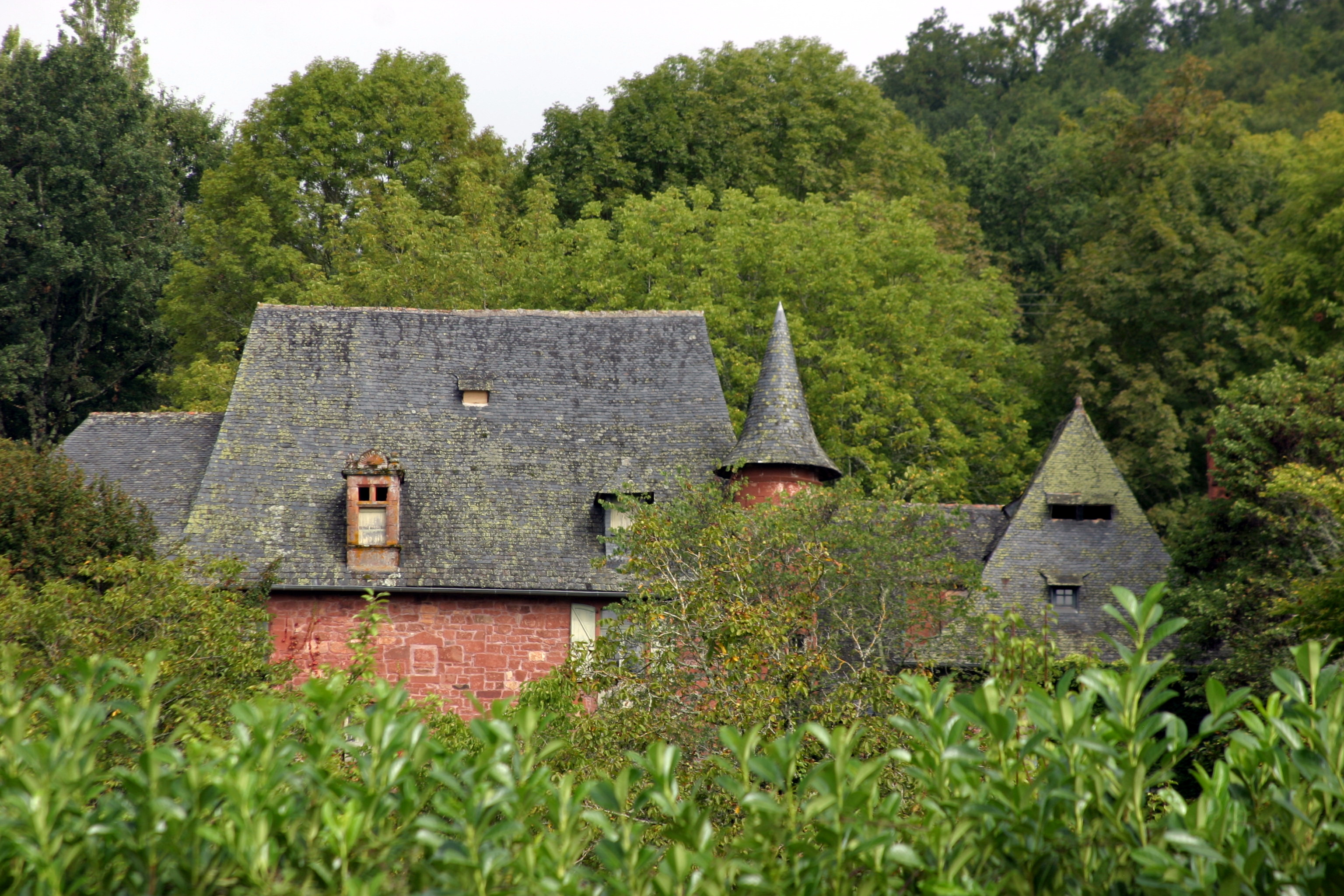


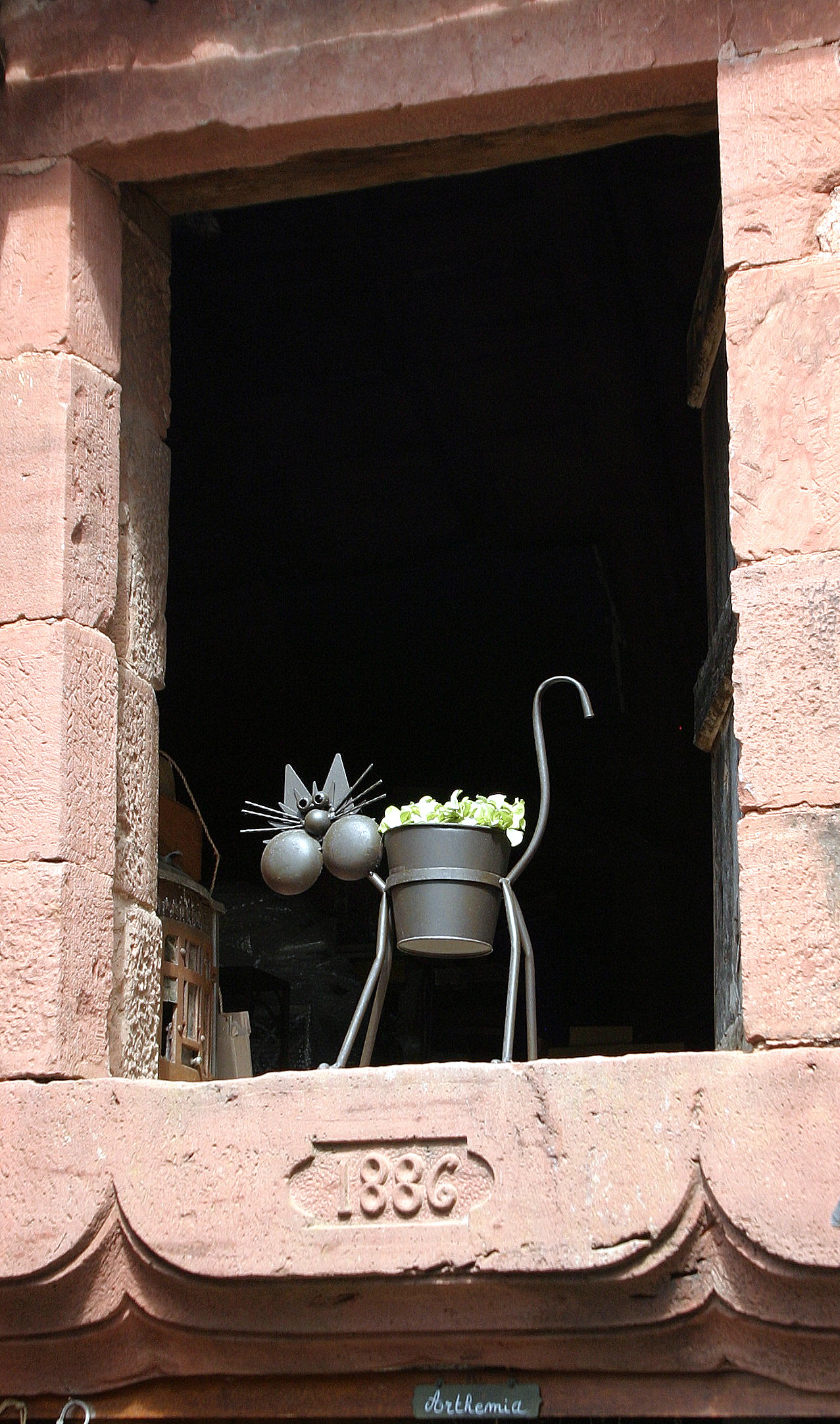
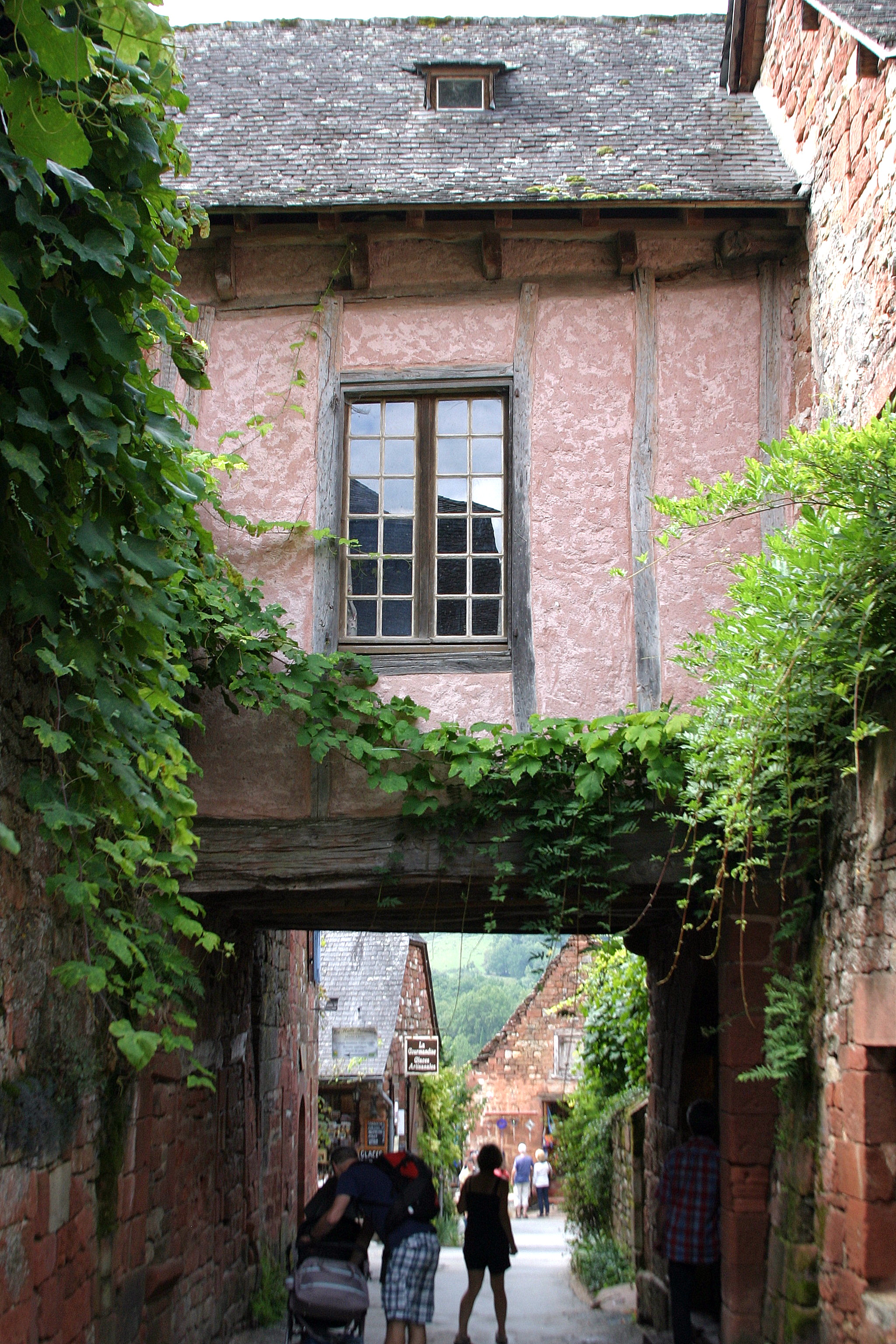

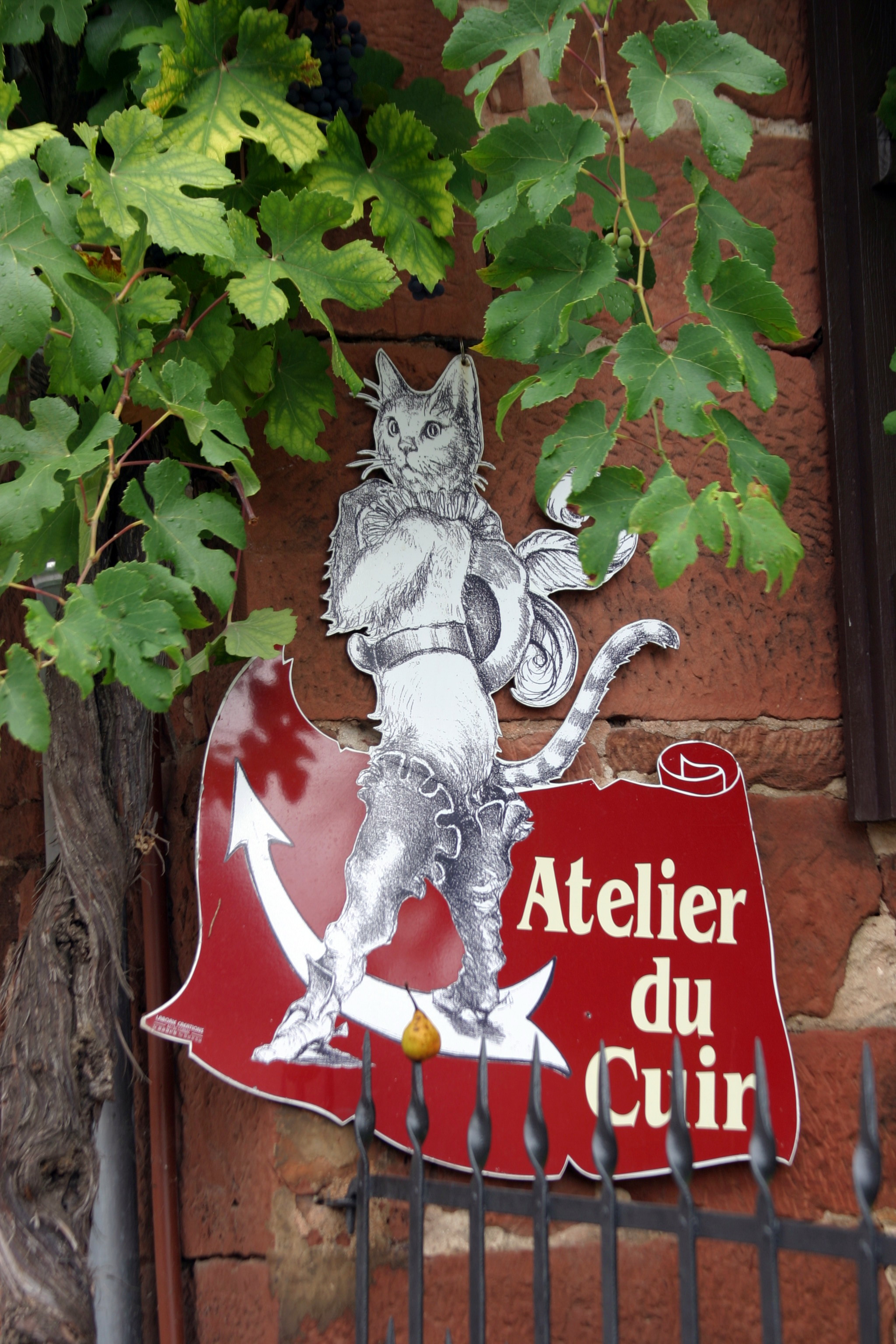
After exploring the various streets and alleyways we had lunch although not in the establishment featured above. The meal was as usual, very relaxed and delicous and was accompanied by the unusual “Moutarde Violette” which is made by combining mustard with a red grape mash. The version that we were eating is produced at Turenne, just a few kilometers away from Collonges. We enjoyed it so much that we purchased a jar to bring home.
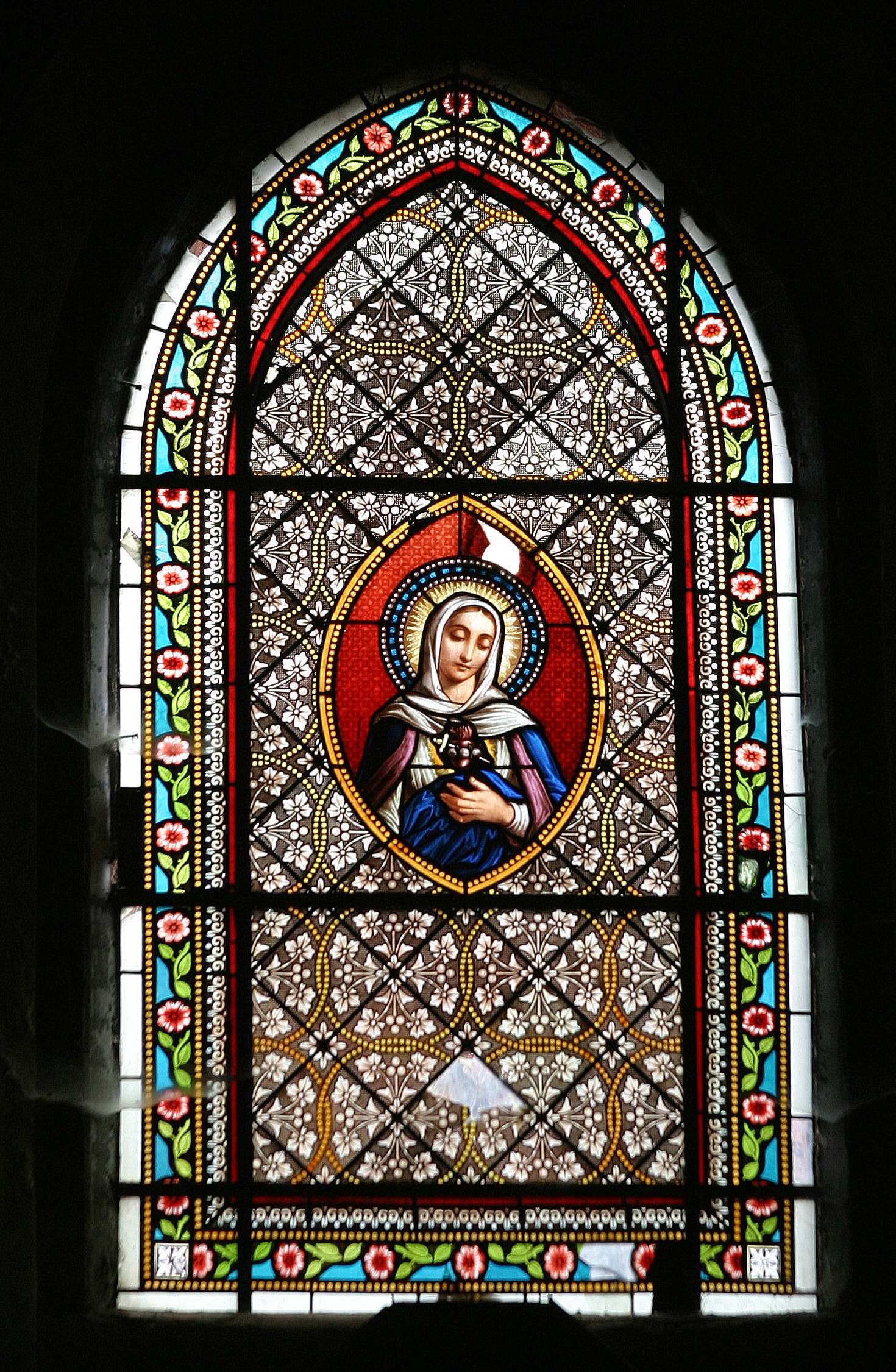
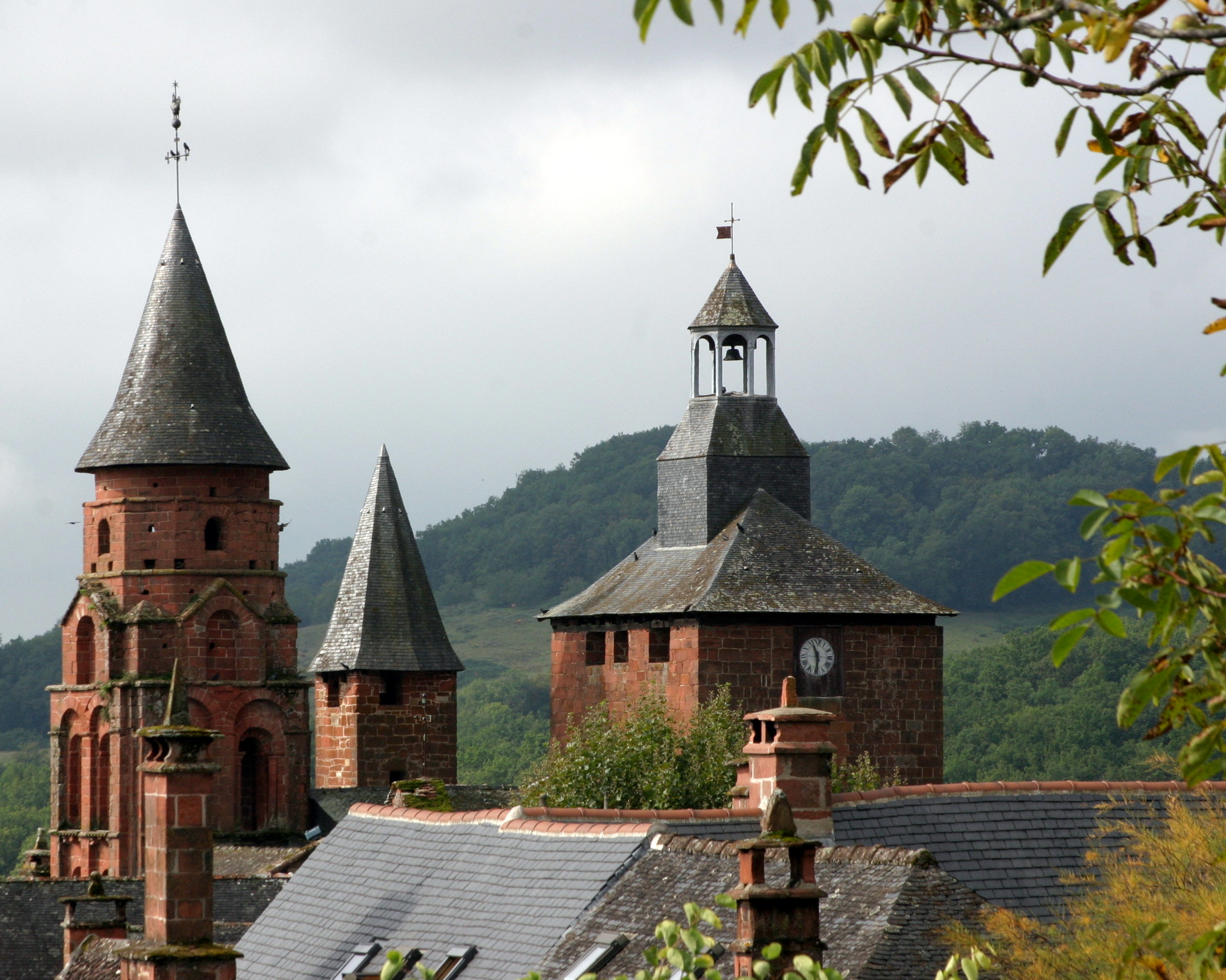
We, of course, visited the Church of St-Pierre. The contruction of which was started during the 11th century. Further additions and modifications were made throughout the 14th and 15th Centuries and the church was fortified during the 16th century. Hence many different styles can be observed both inside and out.

Unusual for Collonges, the entrance way is decorated with white limestone, from nearby Turenne, although it is tinted with the red sandstone dust.


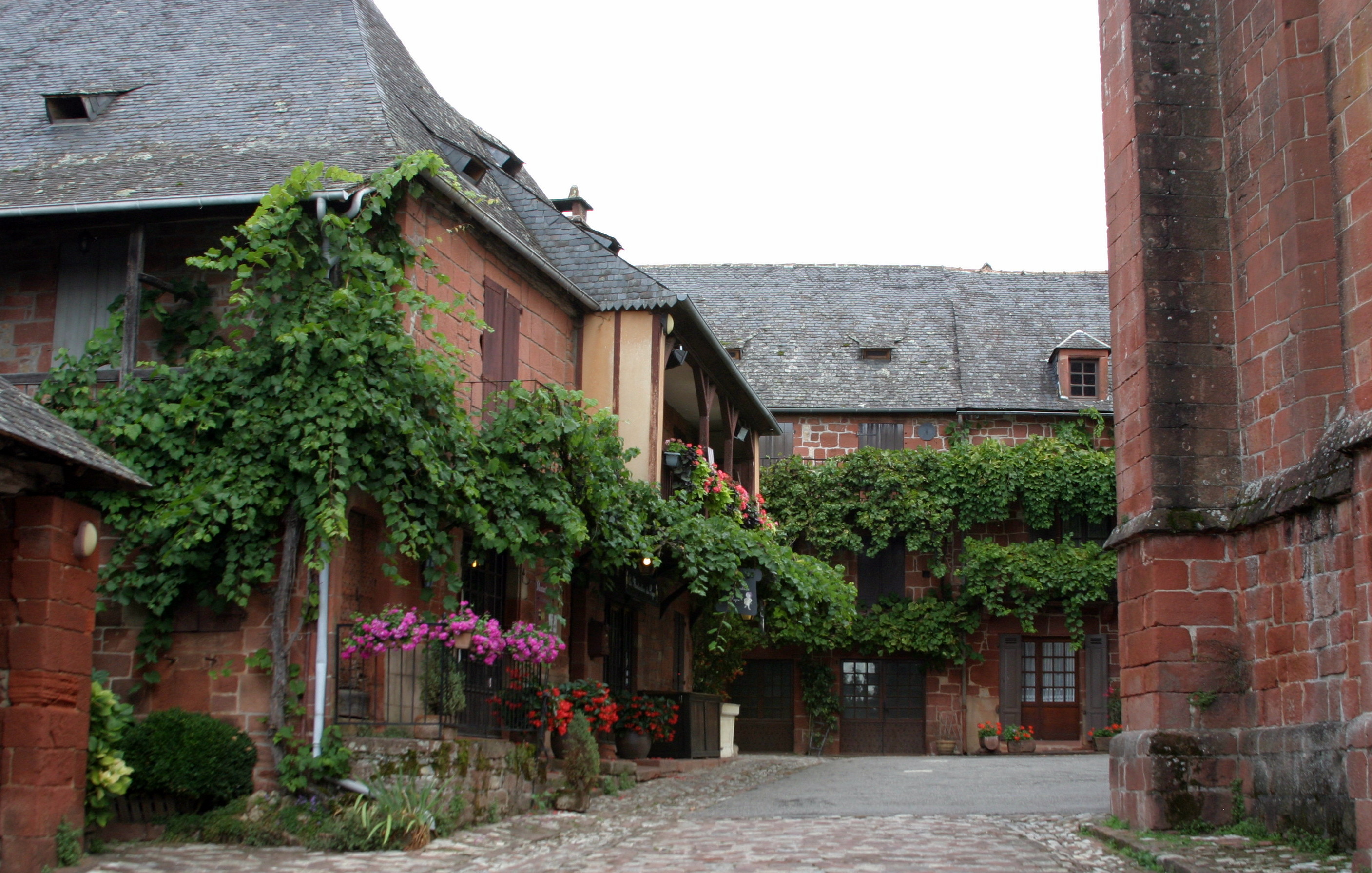
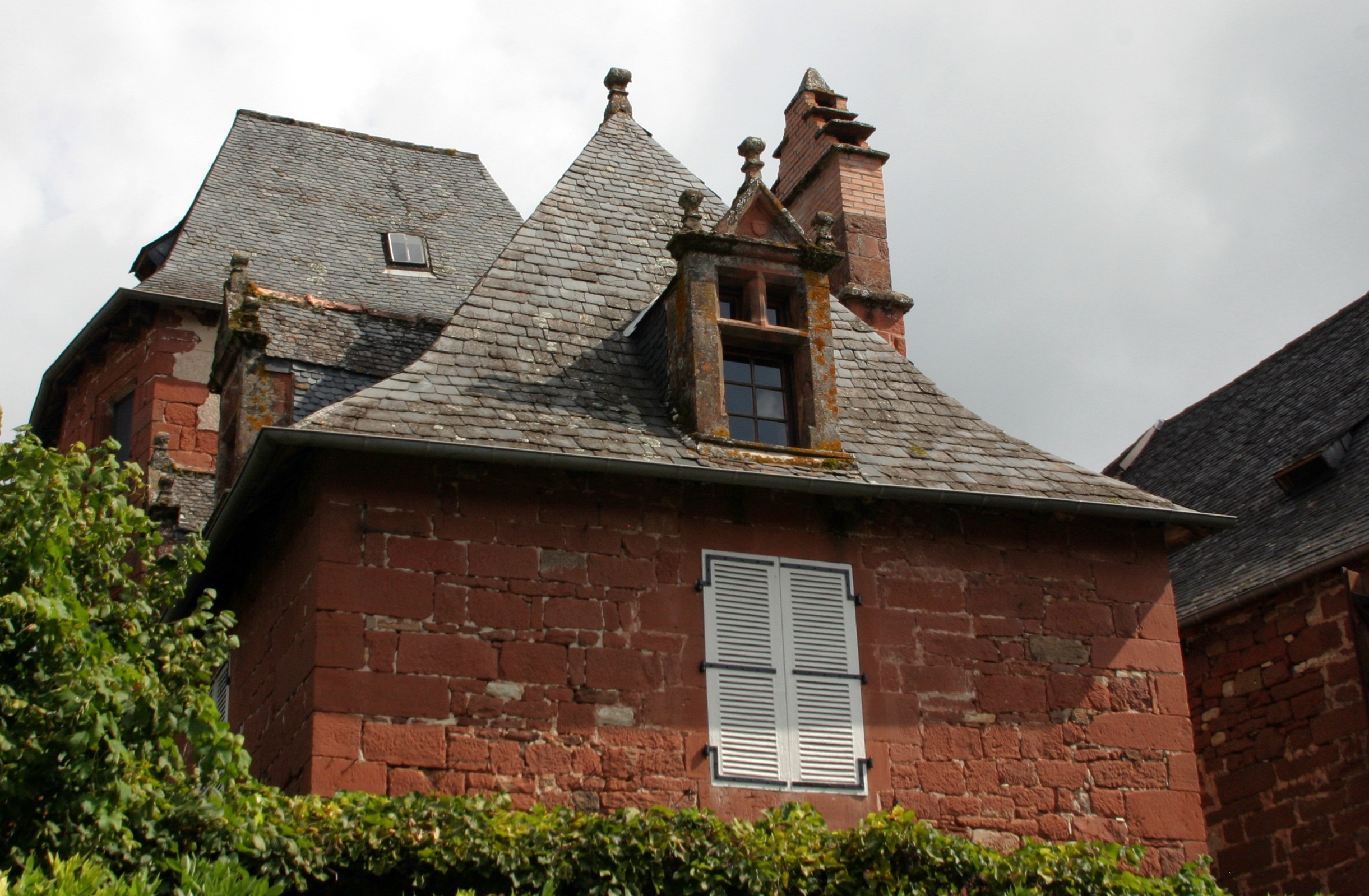



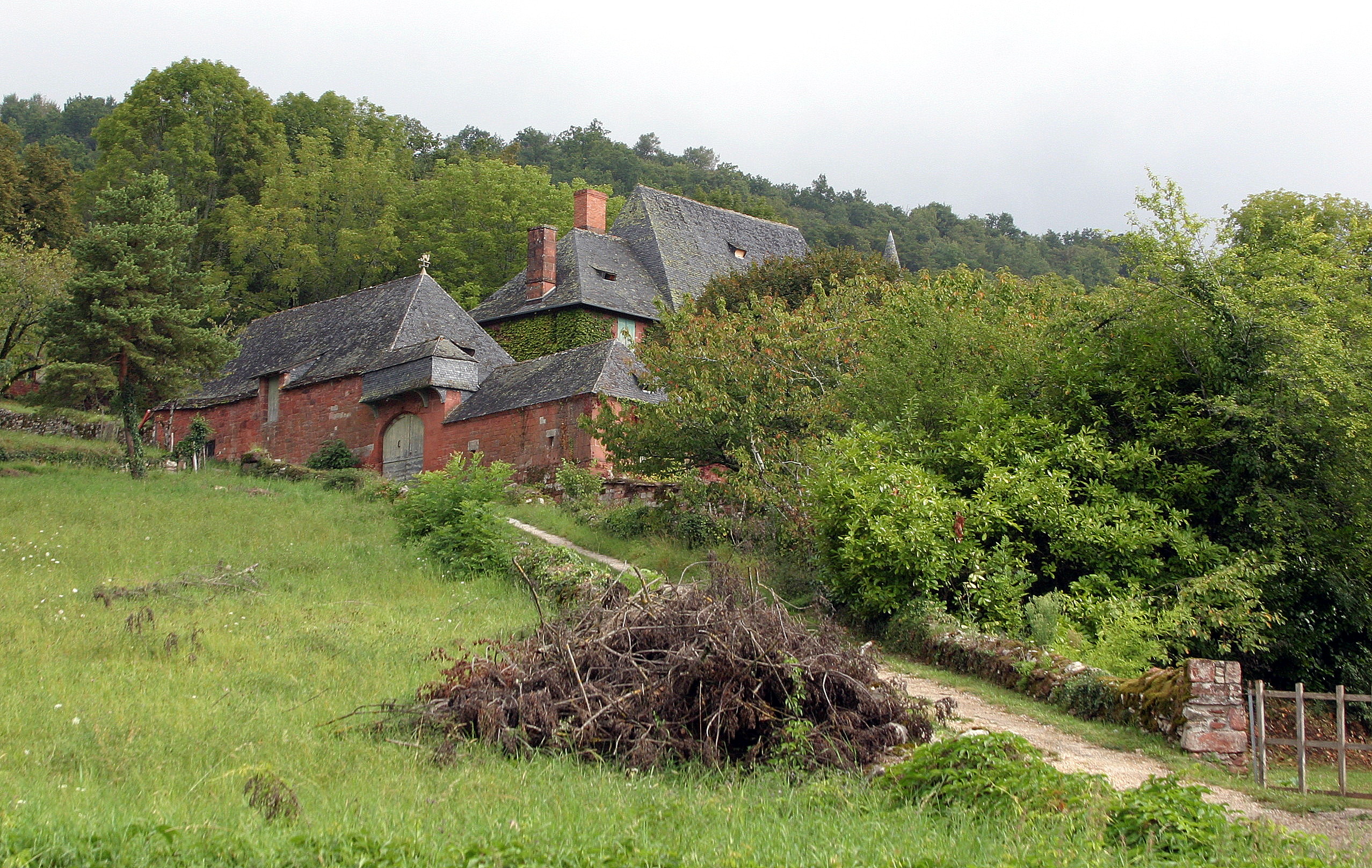


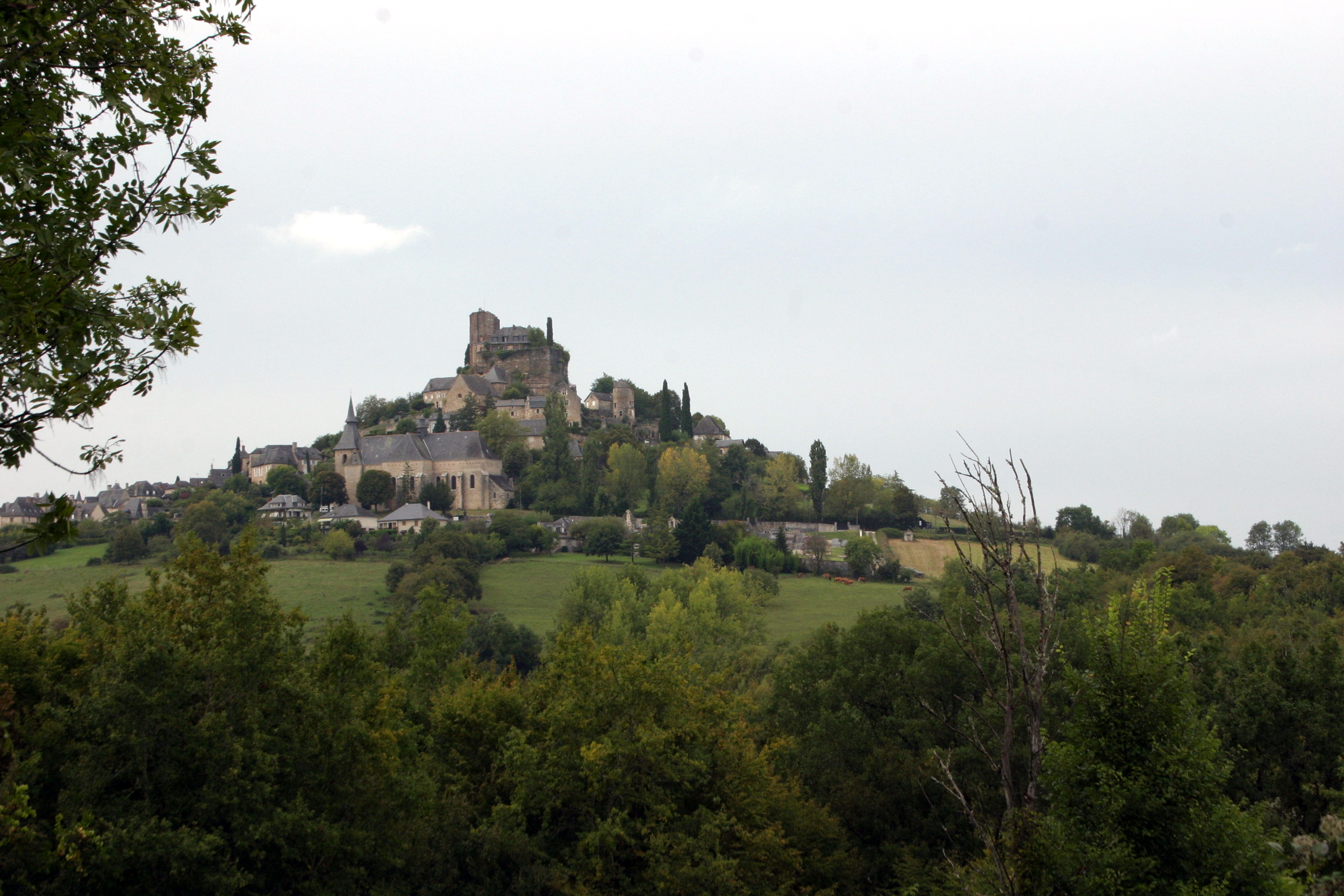
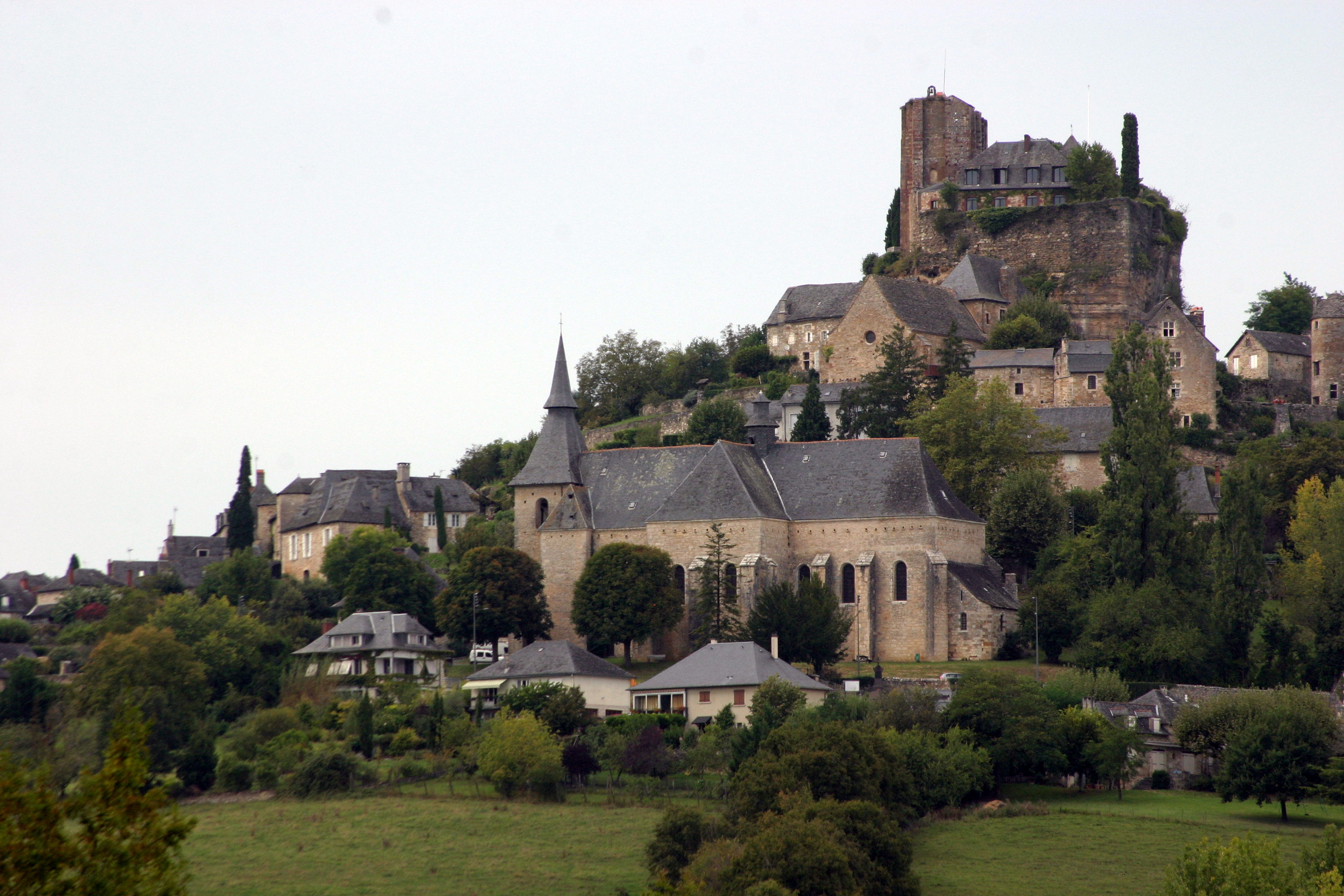
After leaving Collonges our route took us past Turenne. We opted not to visit on this occasion, just stopping to take a couple of quick snaps from afar before heading home to the gite.
It’s Monday morning and I’ve made the run to Massaret for fresh bread.

French bread is wonderful but it doesn’t stay fresh for long. But that’s OK because I get to meet all these friendly people. Everyone says “Bonjour” when they meet you in the street or inside the boulangerie. Then “Au Revoir” when either they or you leave the shop. It is such a refreshing change from the sullen brits who just stand there avoiding eye contact.

So this morning I request a baguette, and a boule, in my rather fractured franglais and make it known that I would like the boule sliced. Madame returns with the loaf in a bag and promptly drops it on the floor with the individual slices all trying to make a run for the space under the counter. With many typically gallic shrugs and embarrassed smiles a second boule makes its way through the slicer, into a bag and safely into my arms and back to the gite.
Today we have decided to go into Limoges for a bit of a reconnaissance. Surprisingly we make into the centre, park up and find the tourist information office all in one smooth move. We discover that there is one of those “tourist train” things due to leave from just outside the tourist office in a short while. The consensus was that this would be a quick way to orientate ourselves to the Limoges sights. Then we can cherry pick those that we want to do in detail. So into a cafe we go for a quick coffee and cake and not long after we are sat aboard in anticipation.

To describe the journey as the ride from hell would be extreme but it was anything but pleasant. The coaches shuddered back and forth like the folds of an accordion and the cobble streets jarred our spines through the virtually non existent suspension and thin padding on the seats. I should also point out that there is an audio commentary available with translations. We were all issued with earphones but the translated commentary was fragmented possibly breaking up in harmony with the reverberations radiating through the chassis of the coaches. The translated commentary was pretty much drowned out by the volume of the native commentary blasting out over the speakers. Thankfully, after an hour it was over.
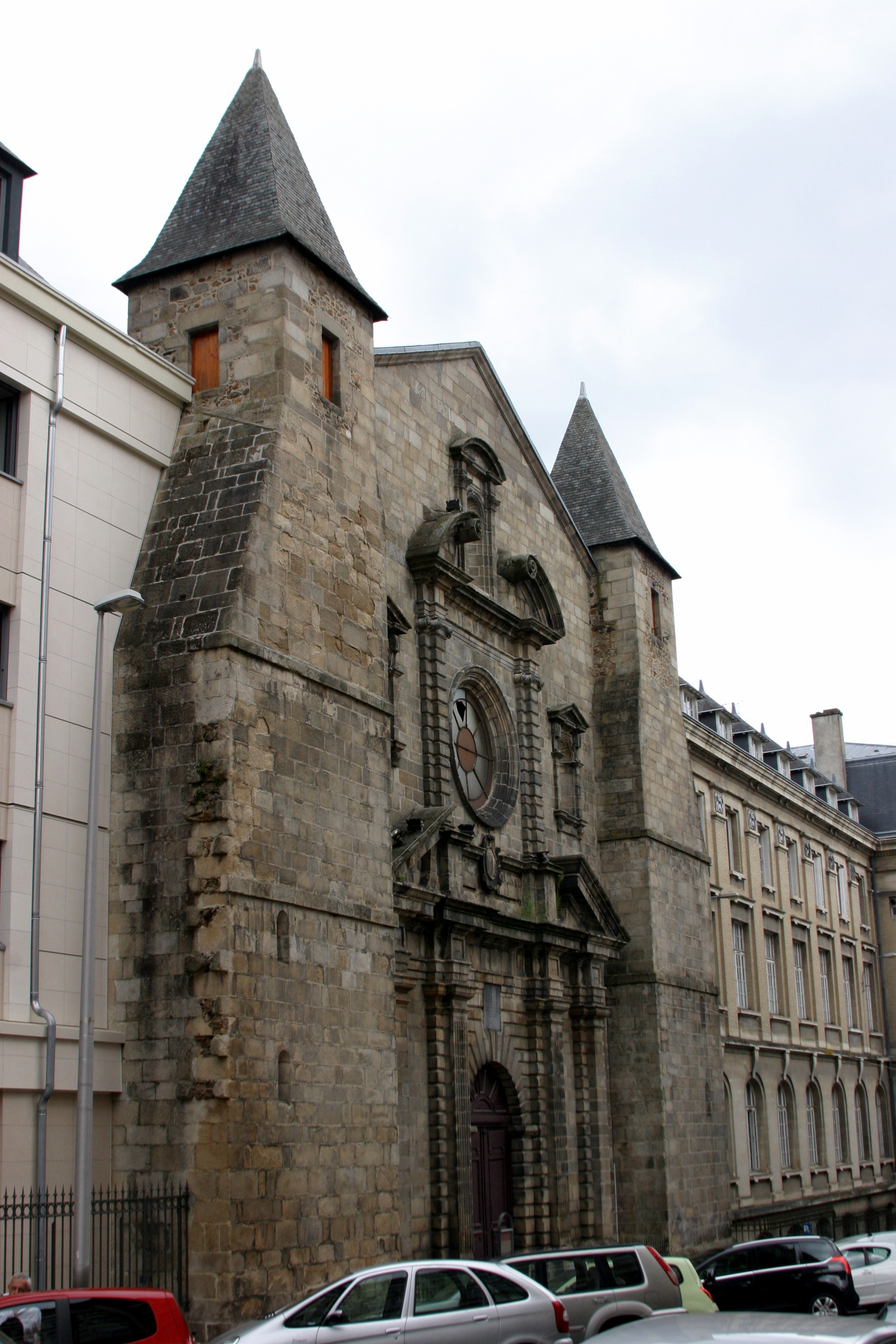
After the trauma of the train ride we decided that what we all needed was a quiet walk by the river. This turned out to be a good decision.
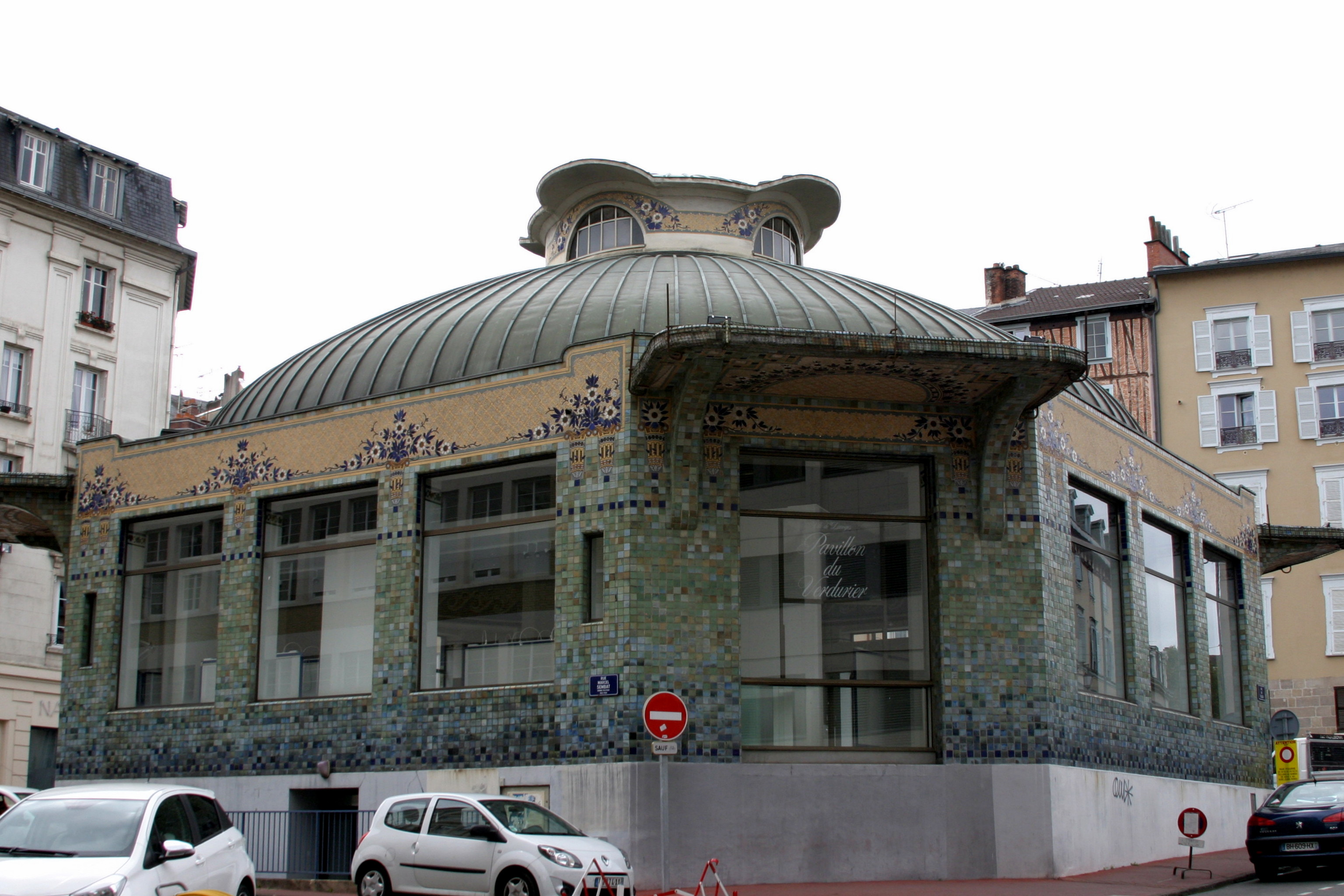
The walk by the river led us to the saint-Etienne Bridge ….
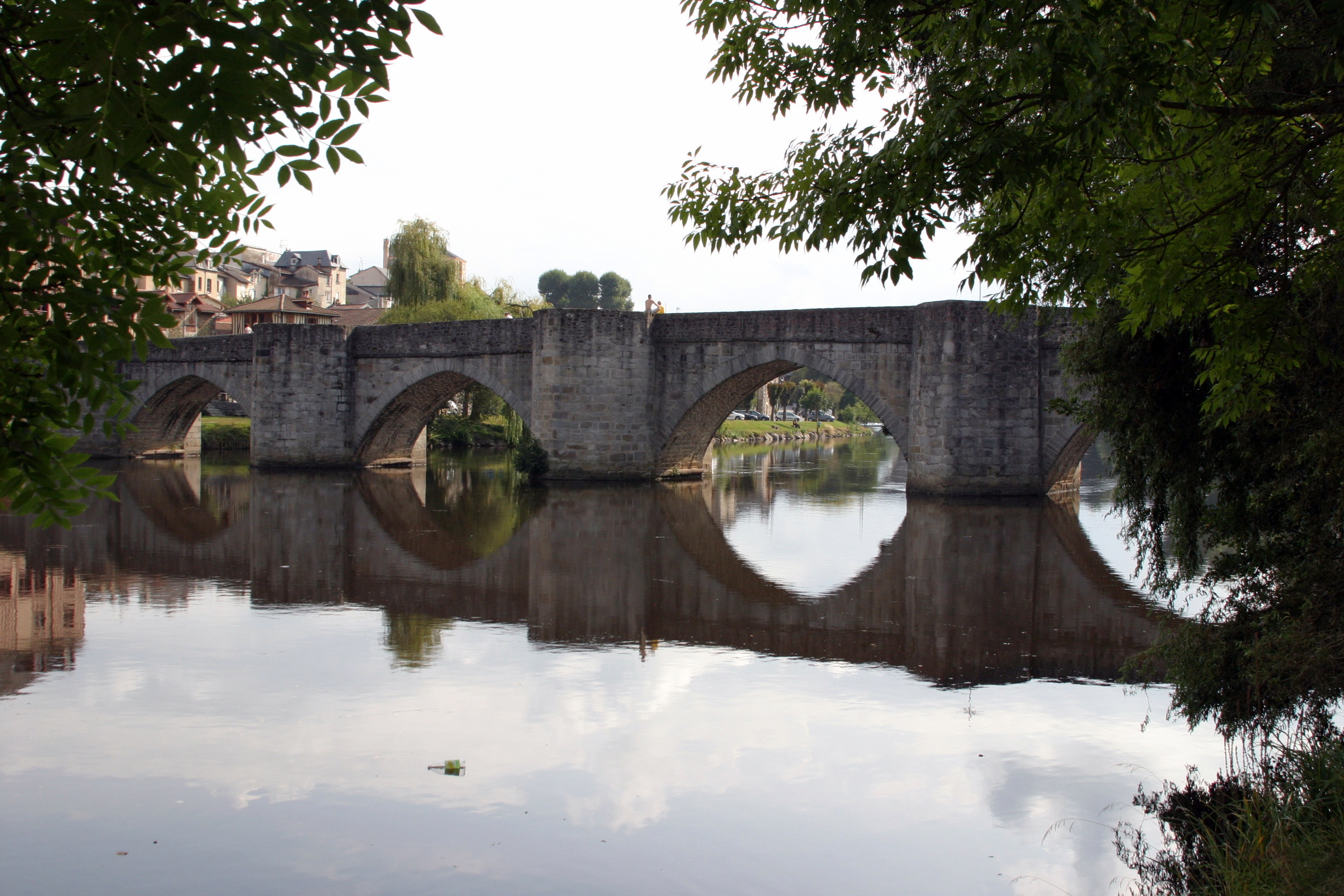
The following description I have plagiarized from one of the many info plaques ….
The St Etienne bridge was built in the 13th C to divert some of the traffic away from St Martial bridge, aboy 1km downstream. It was on the “via Lemovicensis”, a main route to Santiago de Compostella and is used by pilgrims to this day. It linked the right bank quarter of washerwomen, who until the middle of the 20th C washed the towns bourgeoisie’s linen in the river, to the “Clos Ste Marie”, nowadays a village in the city centre, on the left bank.
The bridge also marked the end of the stretch of river used to float lumber from the mountain to the construction sites and industries of Limoges.
It was very peaceful here, away from the noise of the city traffic. So much so that there was a bit of billing and cooing going on ….

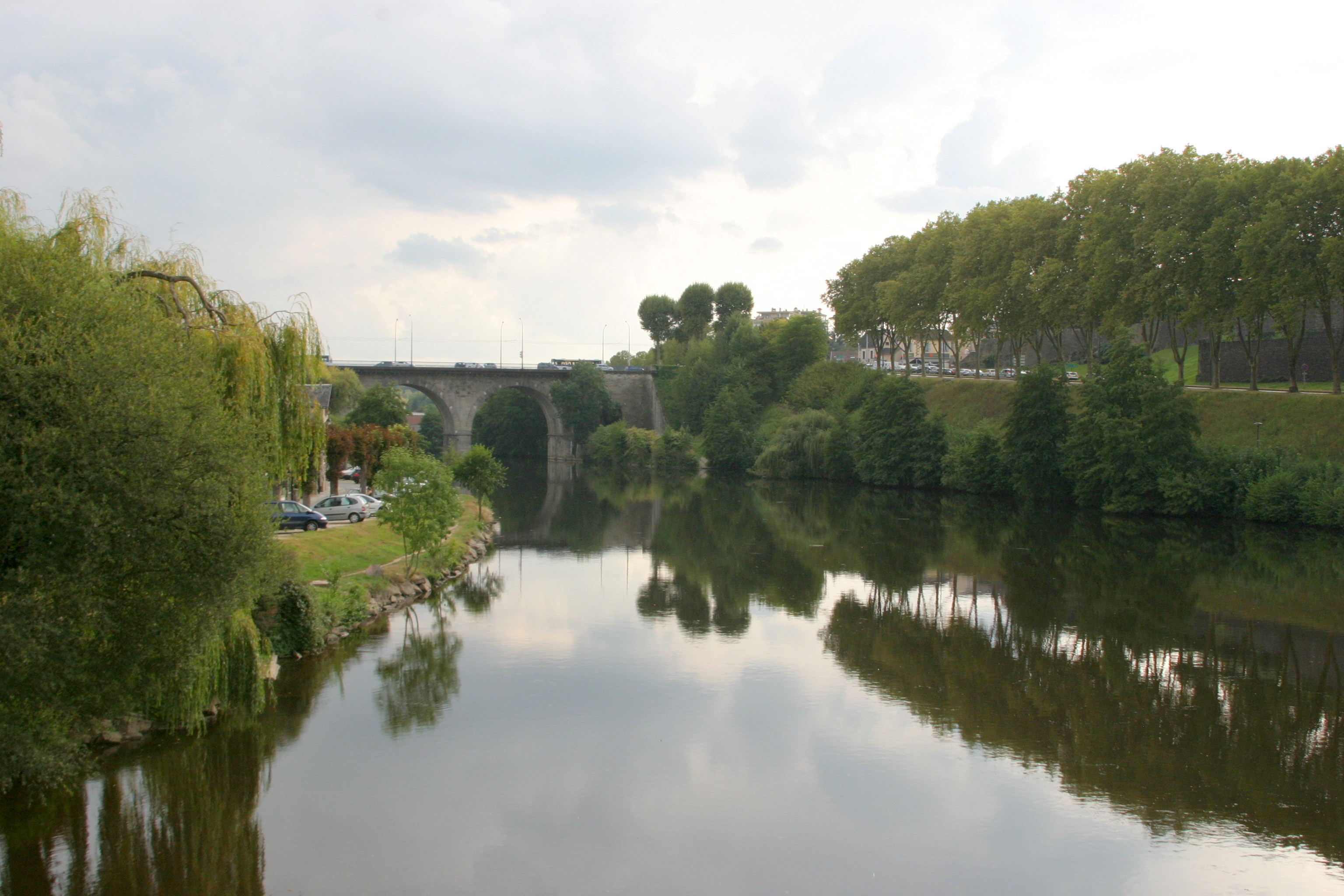
Another, more modern, bridge …….

Day 3, Sunday, was designated a slow, recuperation day. In reality this was our first full day in France that didn’t involve several hours behind the wheel. The crazy french lady had told us where to find the boulangerie, the boucherie and the local supermarket. She had also told us that there was to be a brocante, flea market, in the nearby town of Magnac-Bourg and that she herself would be there. So, after a leisurely breakfast we headed off to Magnac-Bourg in search of the brocante.
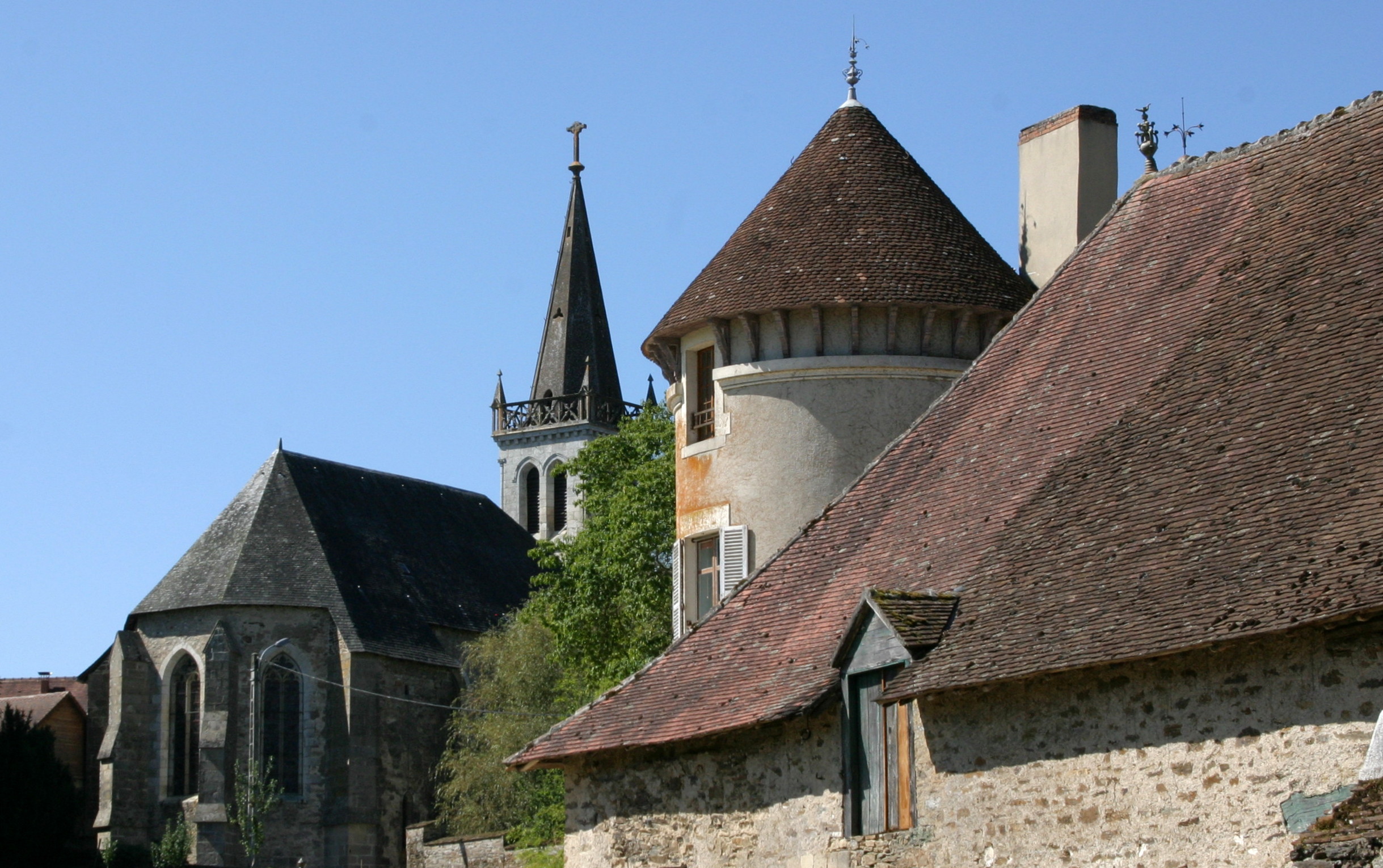
However, there was no sign, in fact Magnac-Bourg appeared to be closed apart, that is, for the Hotel des Voyageurs where we partook of a refreshing beer. We asked the hotelier, about the brocante. He, looking suitably mystified, disappeared inside and after consulting with his wife, reappeared to inform us us that there was indeed a brocante. But that it was at Le Chalard, a mere 34k away.

Beers downed, we took ourselves off on a tour of the local countryside which took us past many apple orchards, a lake and Coussac-Bonneval which was duly noted for a future visit. We duly arrived at Le Chalard
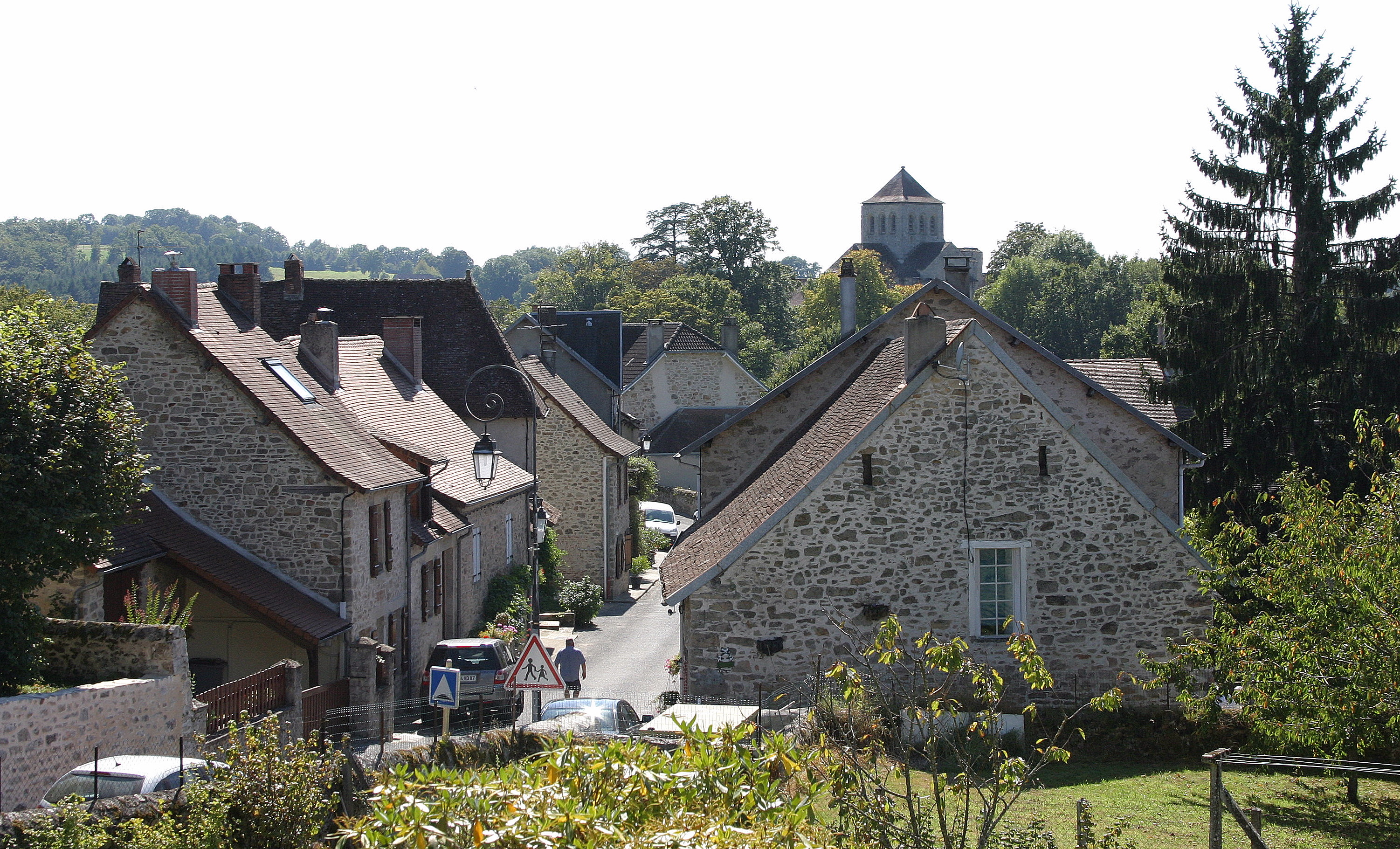
and had no trouble finding the brocante as it was spread all over the streets.
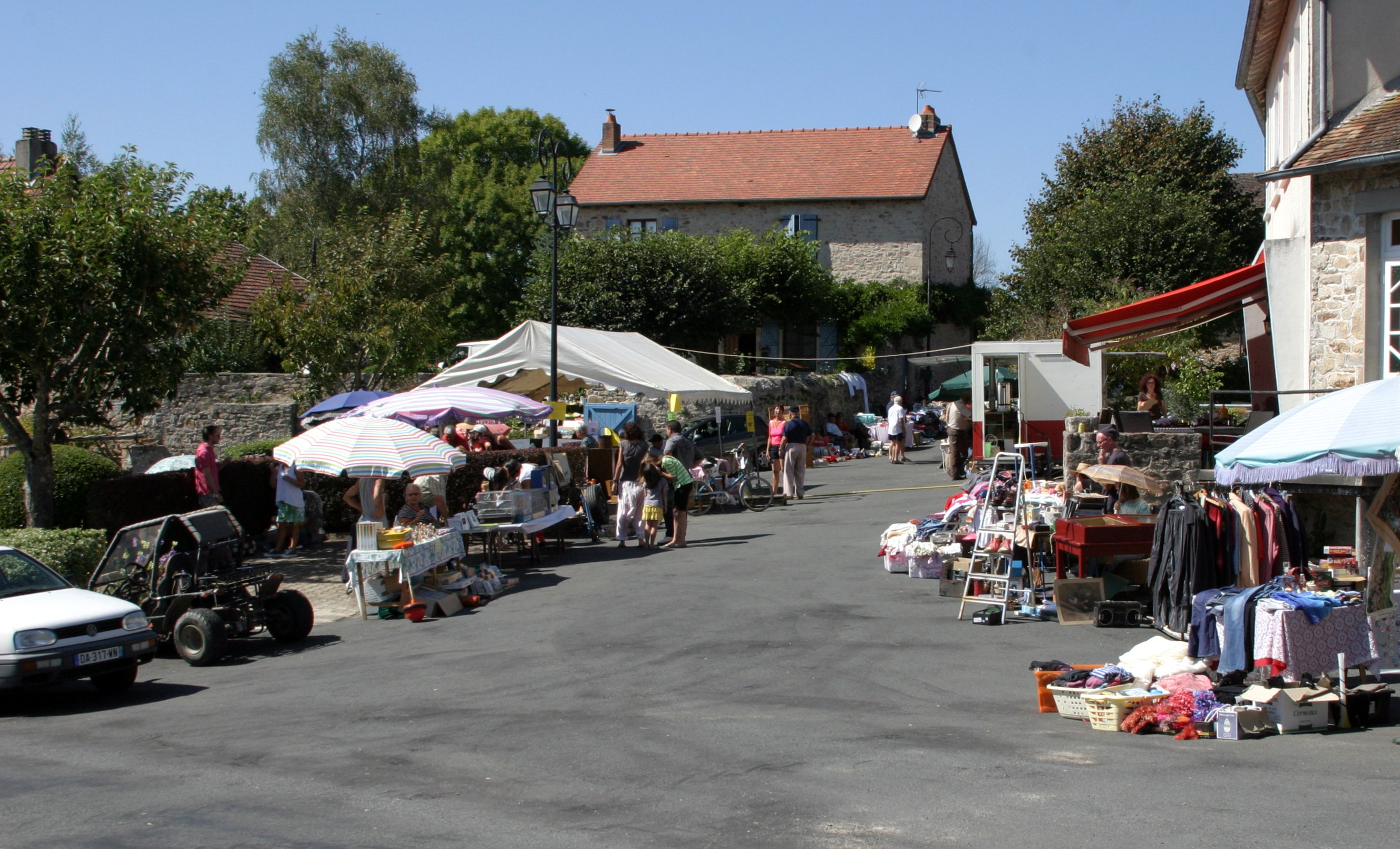
They do say that one mans trash is another mans treasure and I was amazed at the sort of stuff that was on sale. As a one time collector of vinyl I was quite interested in the numerous “vintage” records on sale as well as the various traditional wooden handled tools.
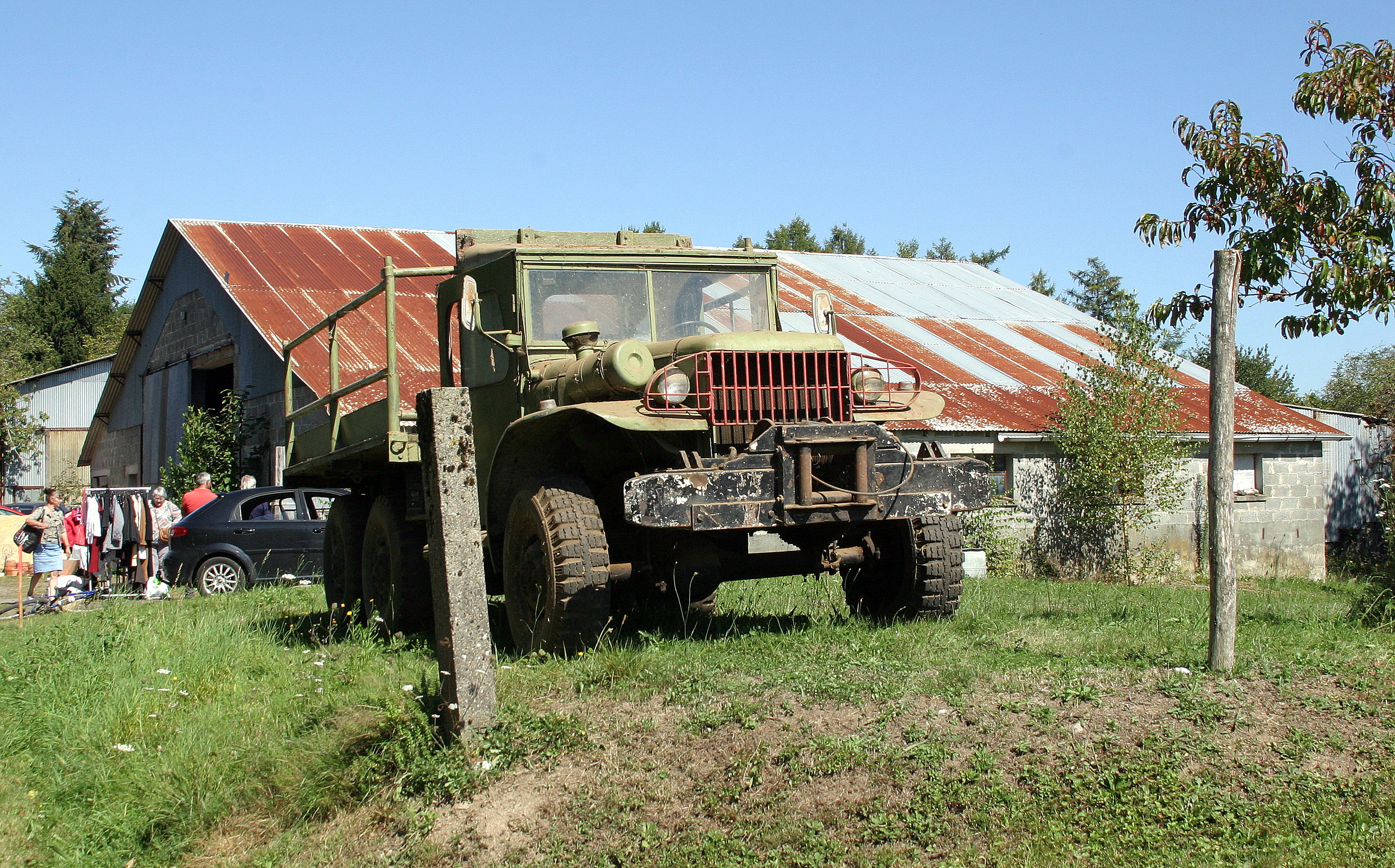
We ourselves had a couple of items in mind as we strolled the stalls. The gite was in need of a decent bread knife and also some decent size cups so that we could have a proper cup of tea. We picked up four coffee mugs at a euro each but there was no sign of a bread knife. At one stall, we were offered a wooden block of kitchen knives by a Brit who is now resident in the village. Unfortunately, despite a strong sales pitch, he failed to seal the deal.
This was due to the fact that the bread knife was missing !!!
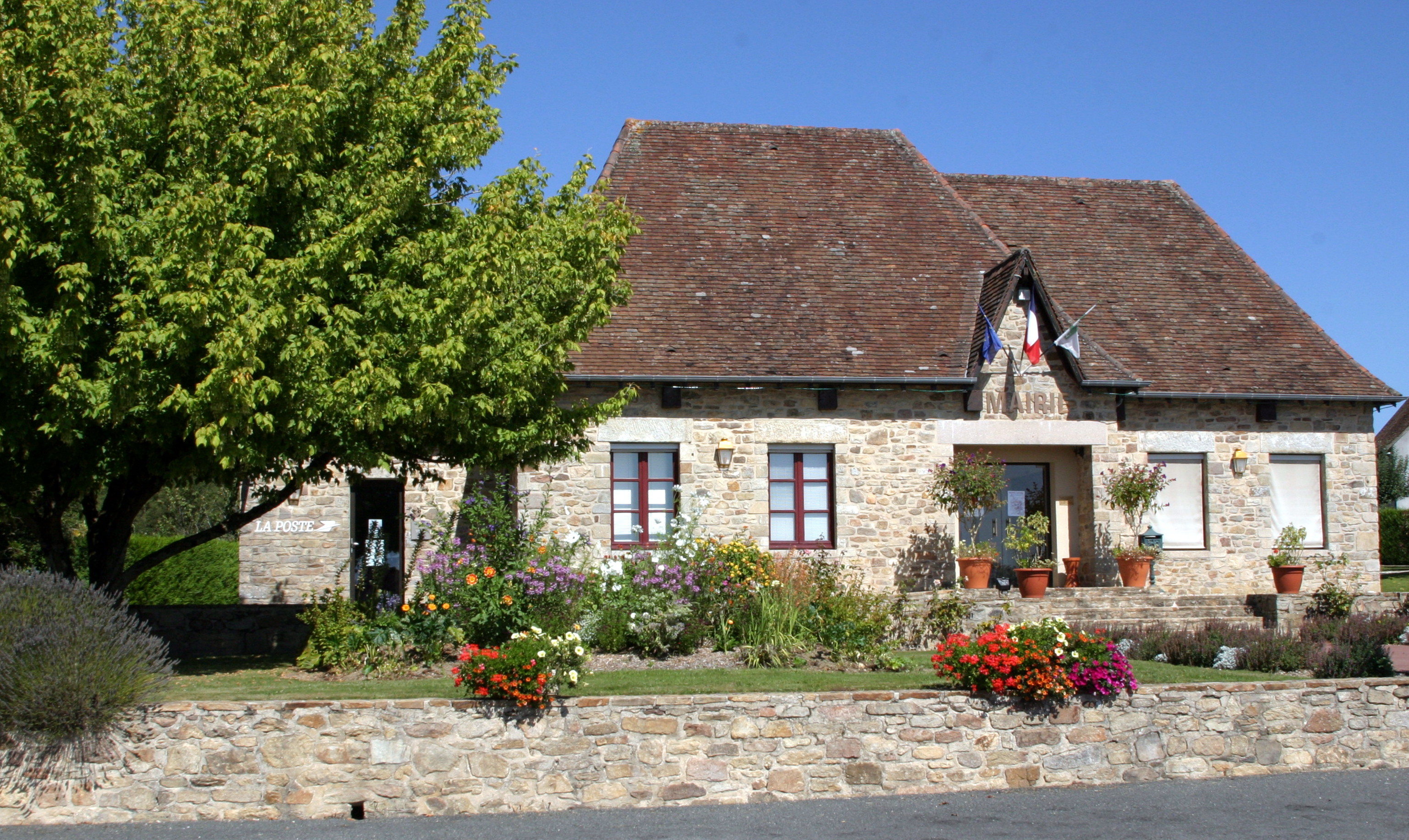
After an interesting hour or so spent rummaging we decided to head back to the gite where we broke out the beer and, eventually, the wine. The wine took a bit longer to break free as we couldn’t find a bottle opener. All four of us turned the kitchen upside down as we played hunt the bottle opener, searching in total disbelief that a french kitchen would not have one. Eventually we found two, hidden at the back of the cutlery drawer, and we were, at last, able to settle down and imbibe.
Sat outside, under the trees, watching the shadows grow across the fields as the sun set. The temperature in that evening sun was 30 degC.
Earlier in the year, we had the rellies over from Oz. During their stay we traveled up to visit Blenheim Palace, stayed overnight in Woodstock and did a small vaguely Downton Abbey related tour of the locale. The following are a few photo’s taken over the weekend.


Bampton in Oxfordshire is the “real” name of Downton, a name familiar with all Downton Abbey fans. As one would expect the real thing looks very different to the images presented on screen.

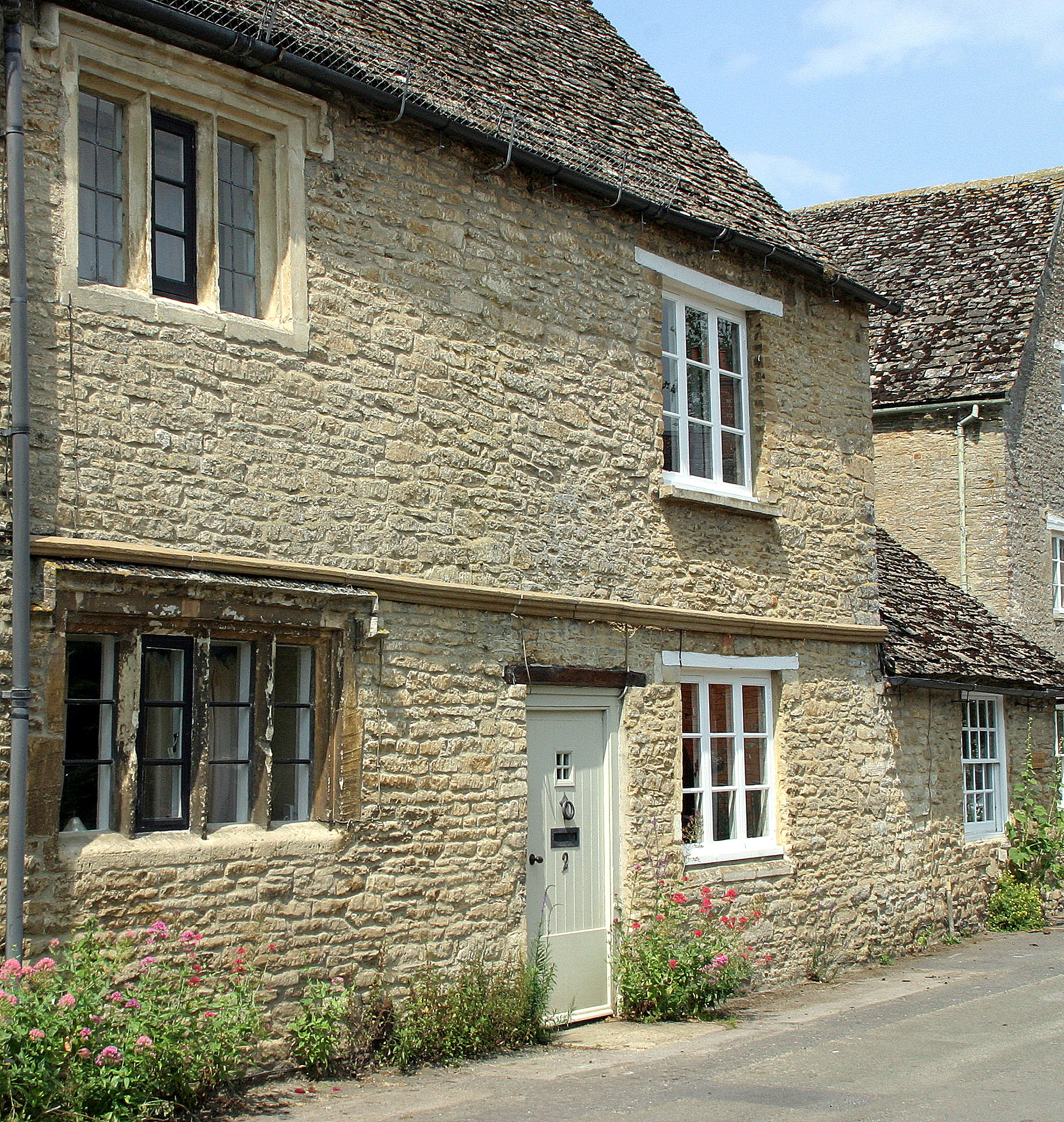
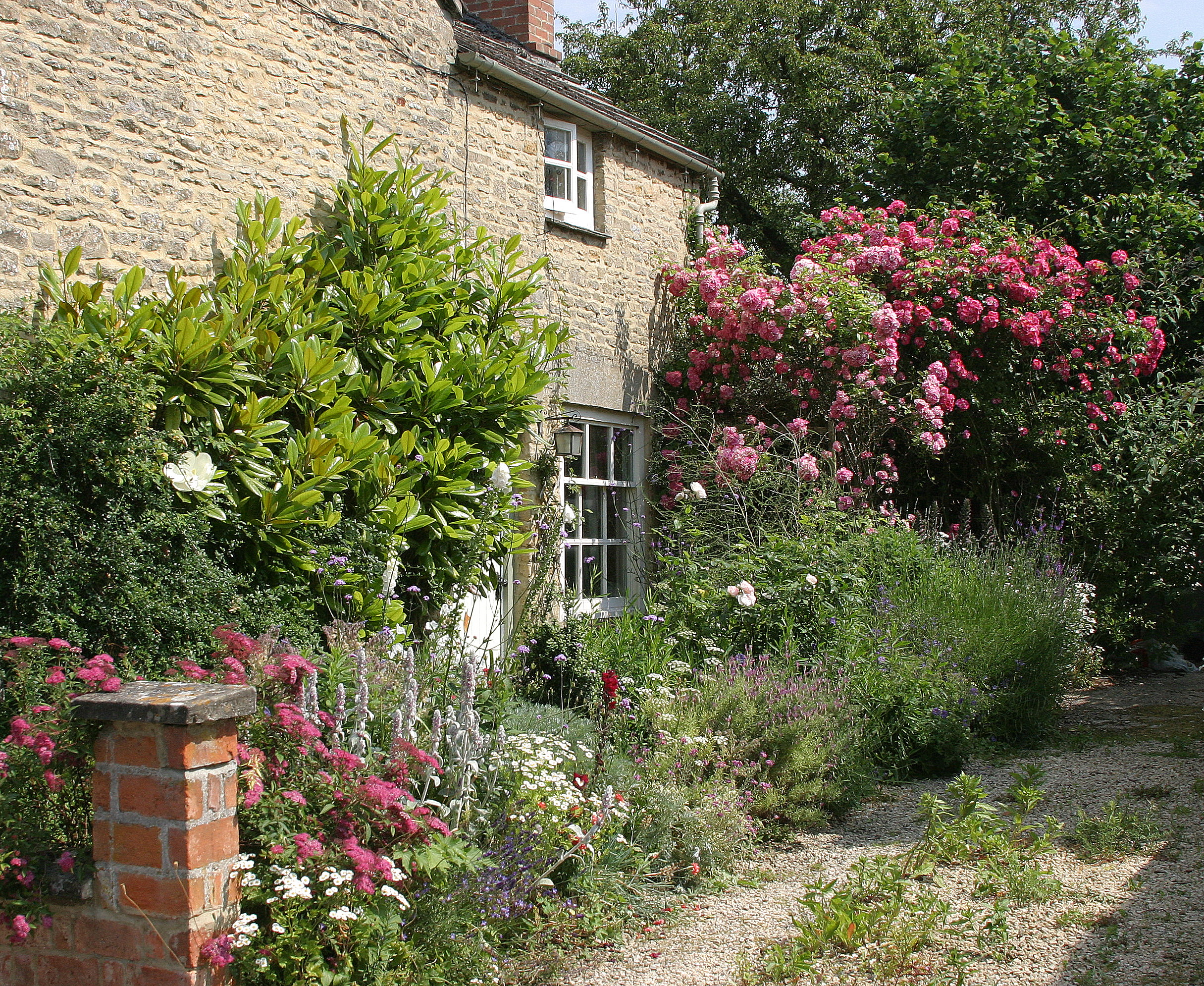
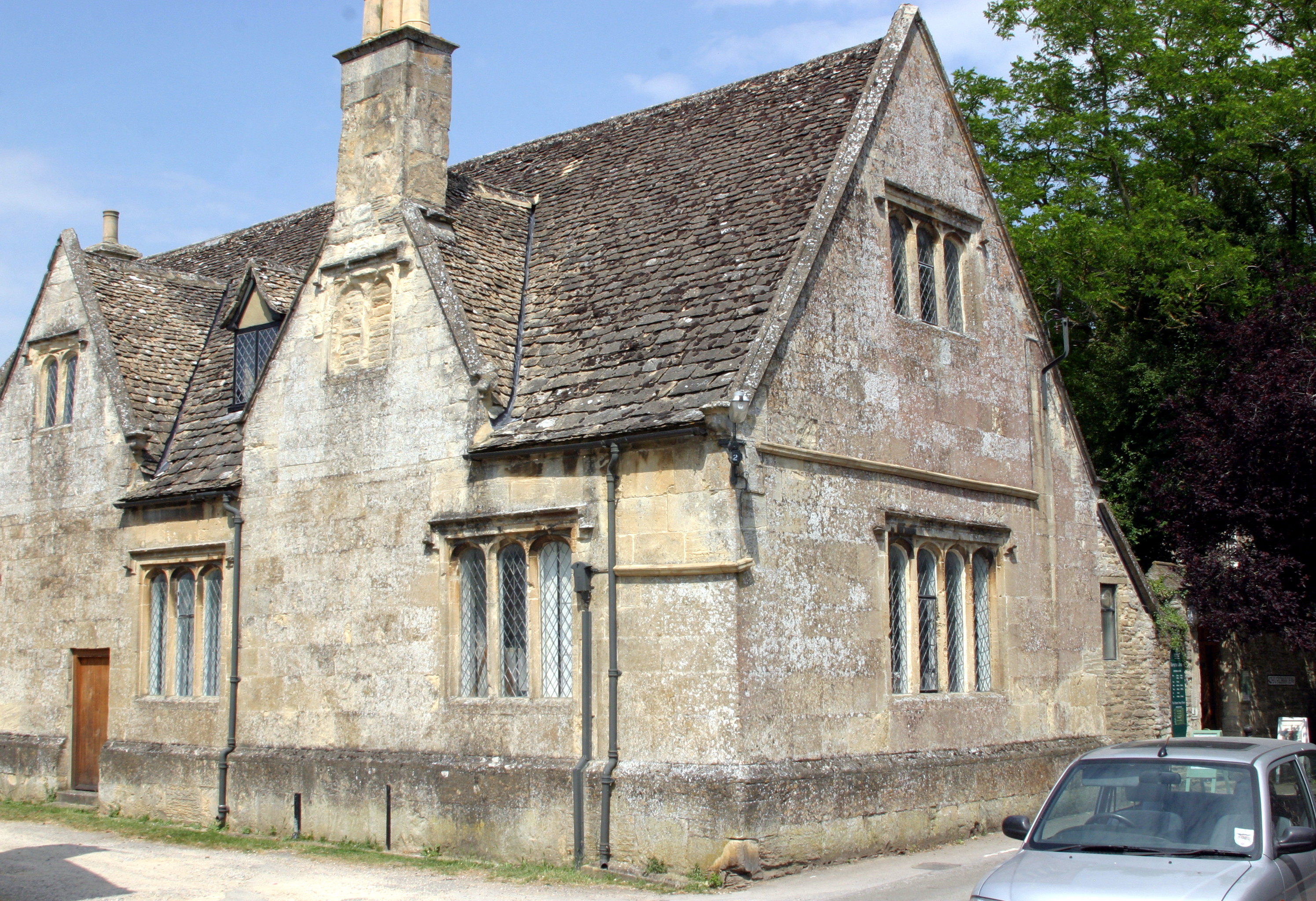


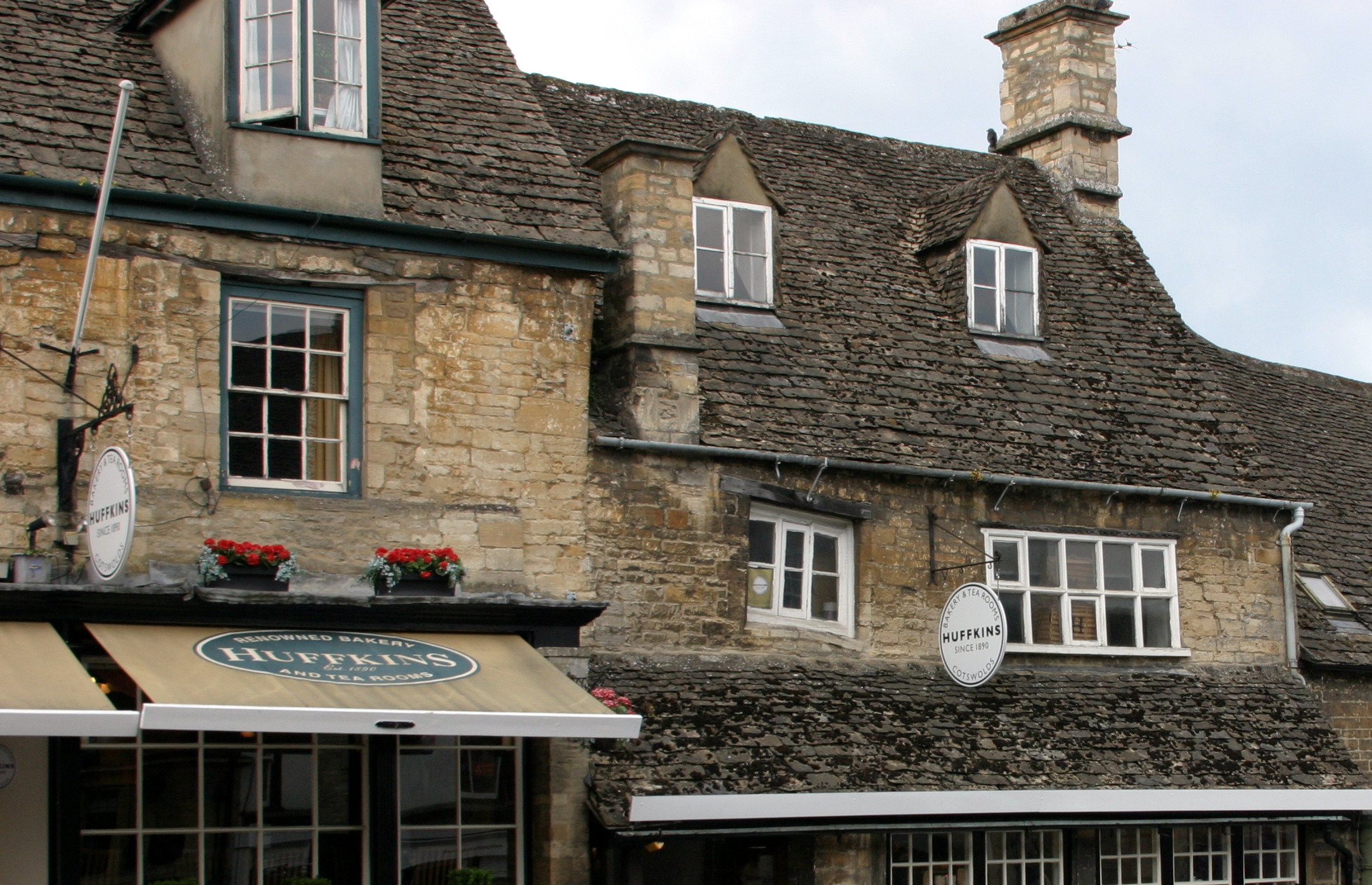
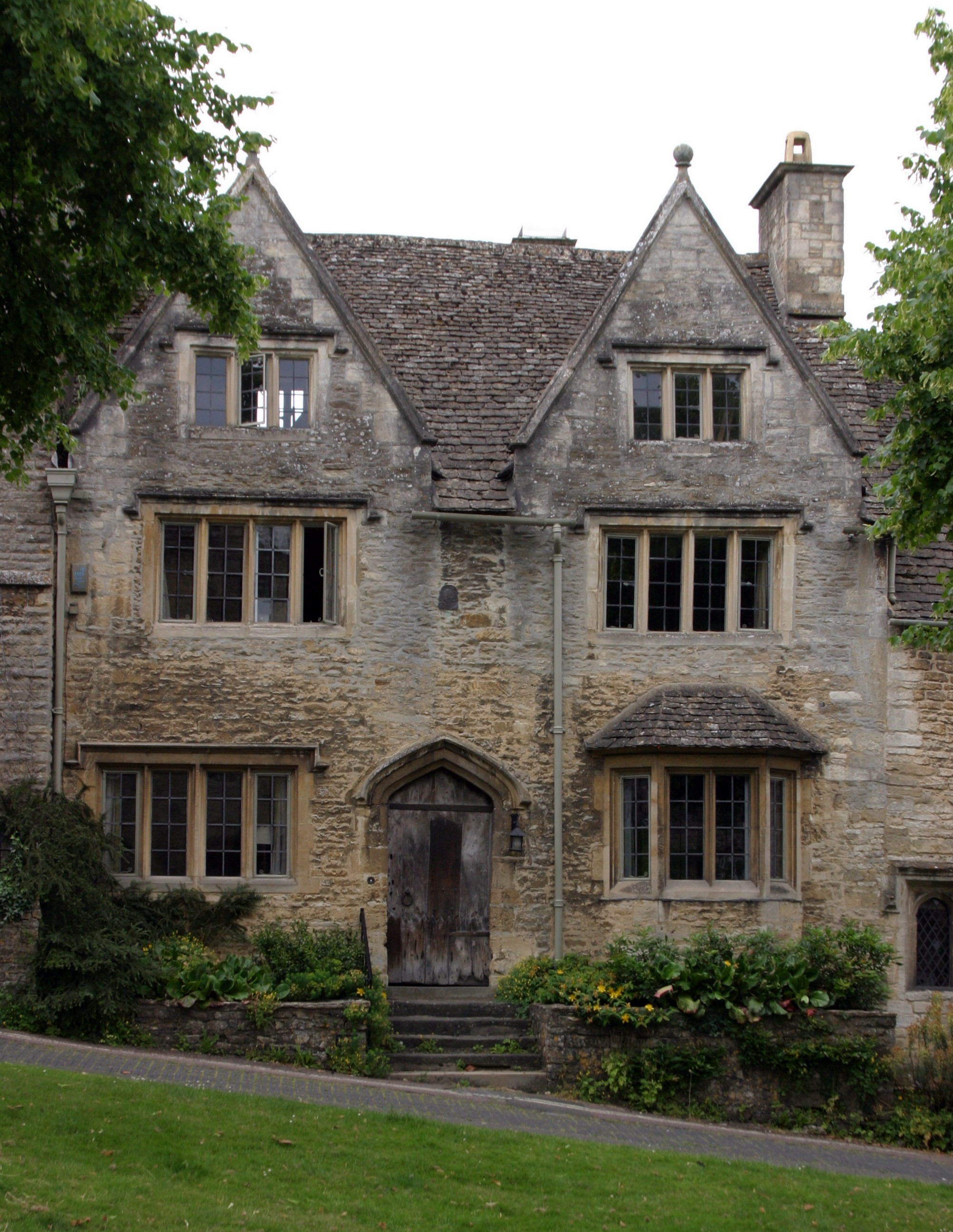
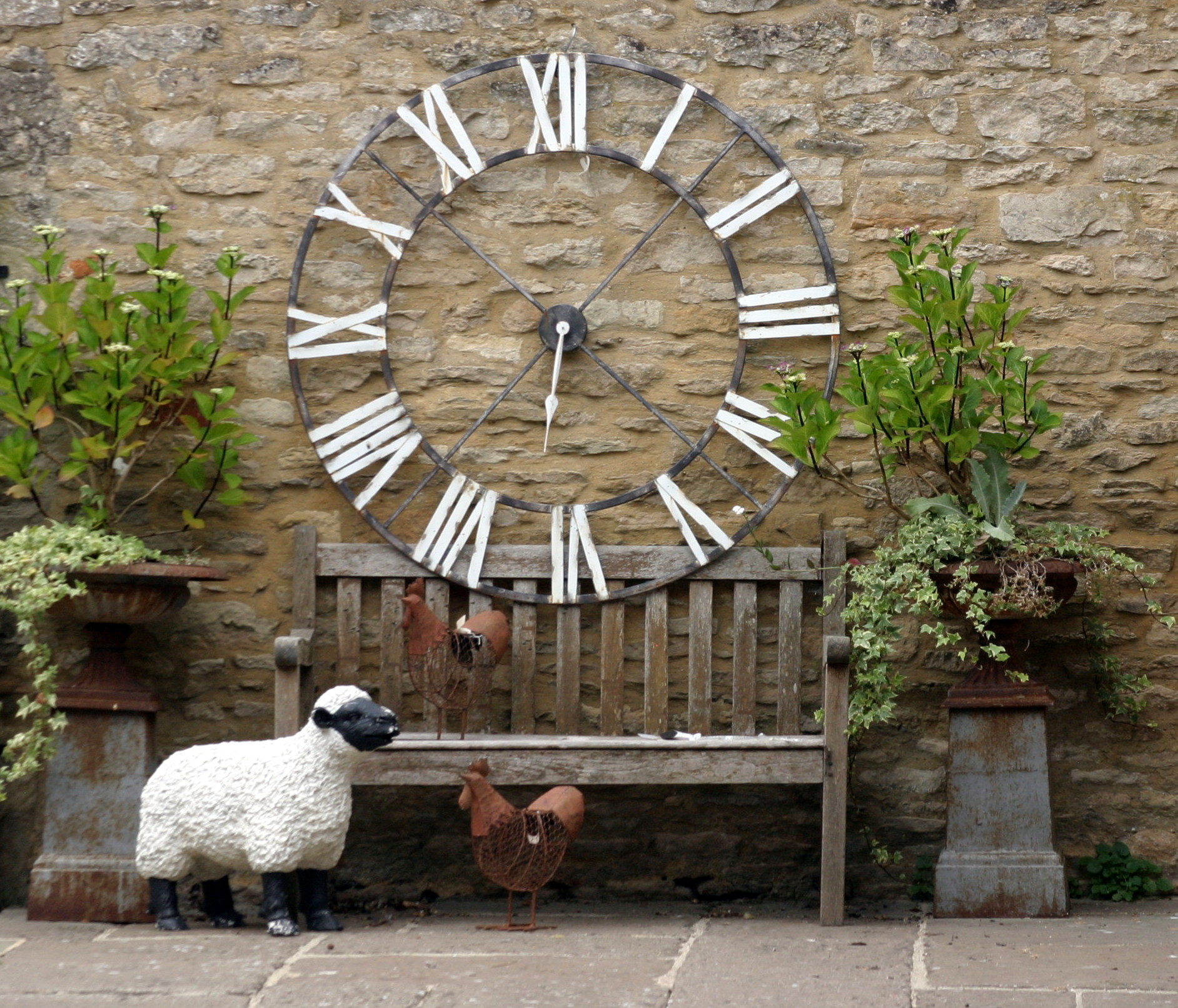
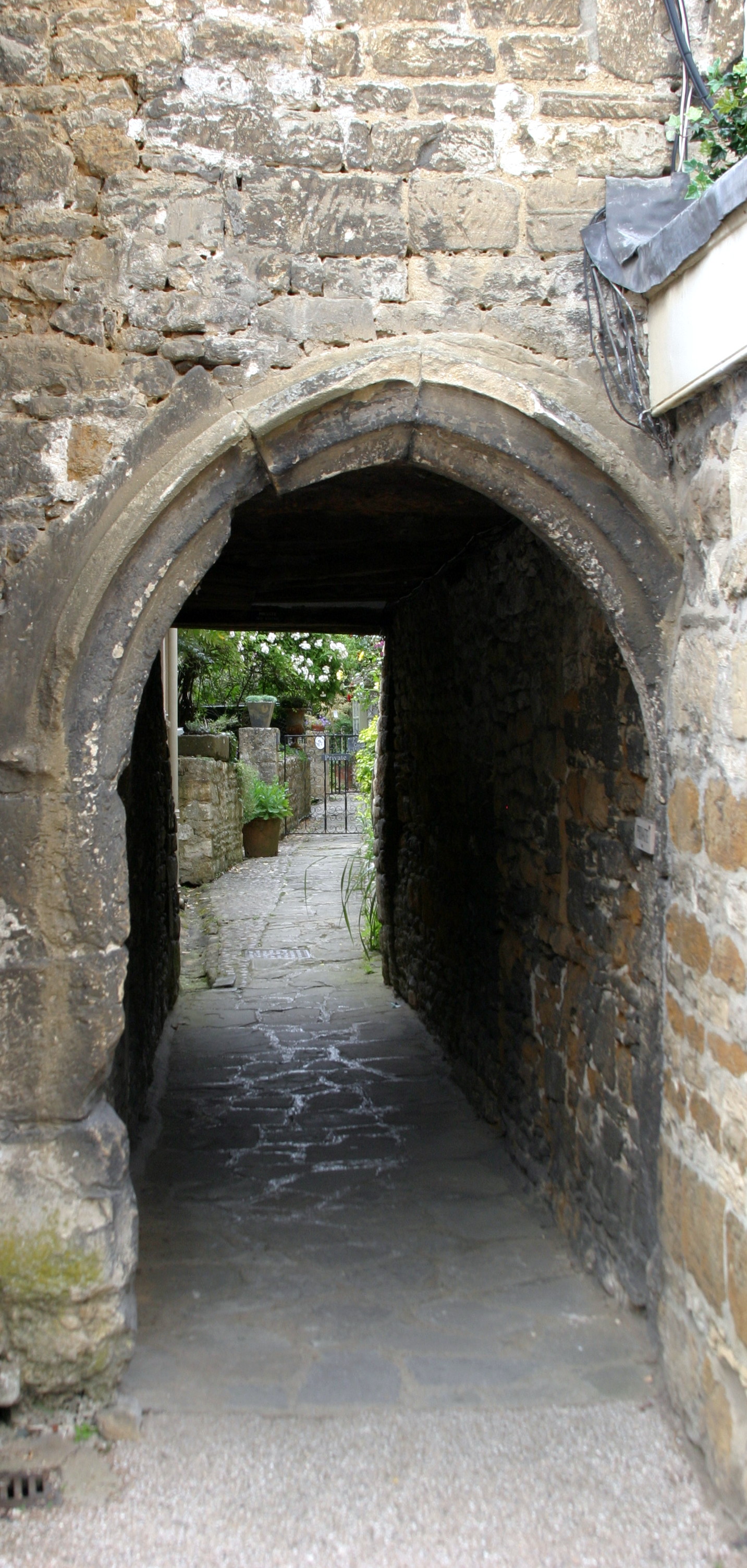
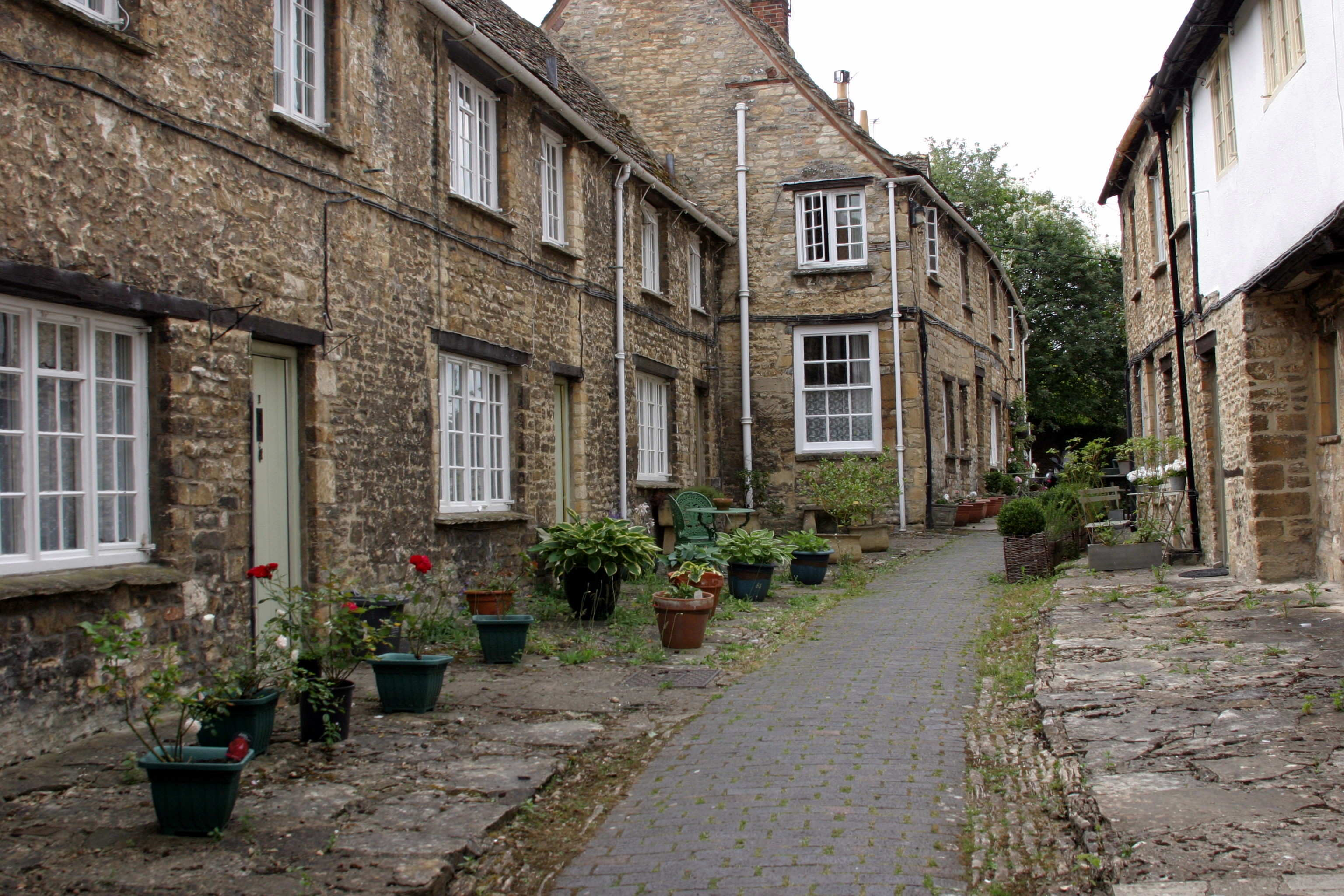
Burford is a small town on the River Windrush in the Cotswold hills in west Oxfordshire, England, about 18 miles west of Oxford, 22 miles southeast of Cheltenham and only about 2 miles from the Gloucestershire boundary.









Fabulous sunset viewed from my front doorstep.
 WrAnTz