After our visit to Cohunu we drove out to Serpentine Dam, or more precisely The Cafe On The Dam for lunch. We have visited before, the food is very good and the location good too. Well away from the hustle and bustle of city suburbia and where you can see the local wildlife.
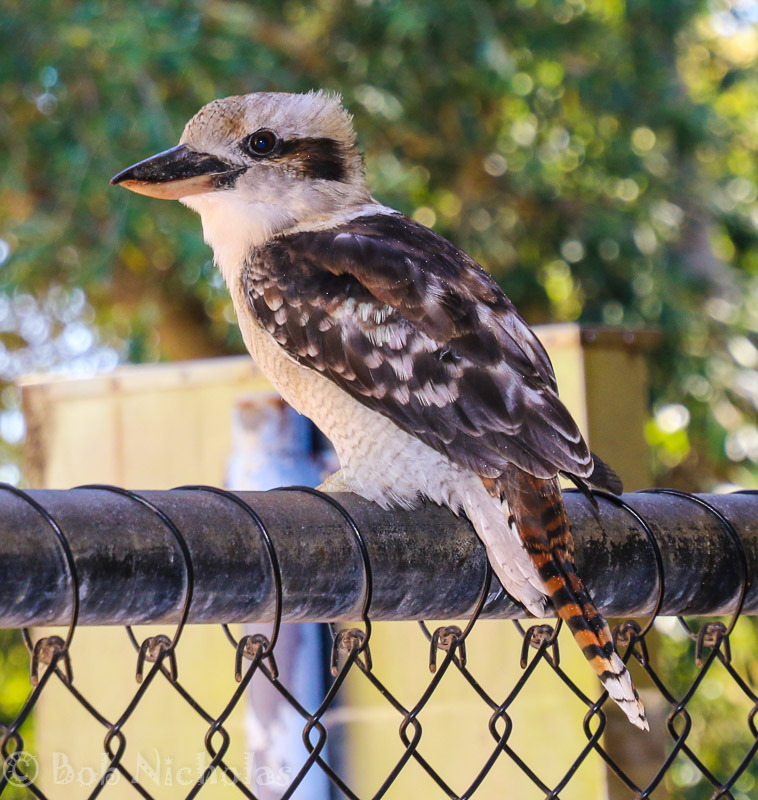
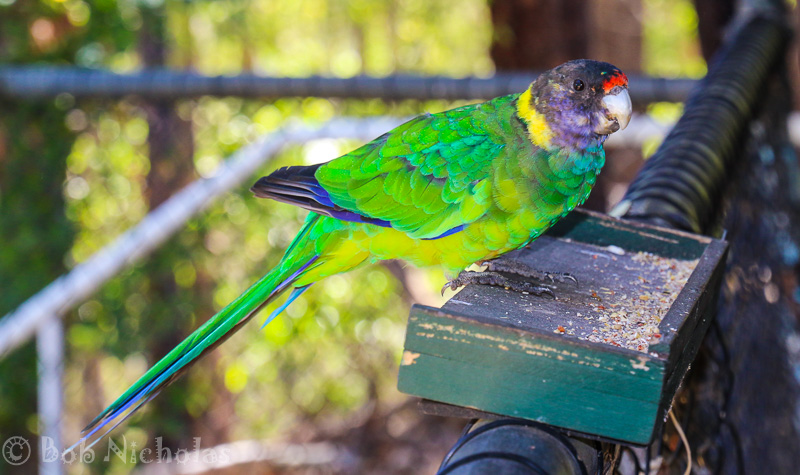
During the course of our meal Steve was mugged by a Kookaburra who, along with his parrot accomlices, took the opportunity to raid Steve’s dinner plate and stole some chips. At the same time the errant bird knocked over his cold glass of Lemon, Lime and Bitters, drowning his Chicken Parmigiana, salad and fries.
Unfortunately, there is no CCTV footage of the crime in progress but I did manage to get some mug shots of the perpetrator and his accomplices.
Parrot
Kookaburra
Kookaburra
Kookaburra
Parrot
Chip Thief & Accomplices – Cafe On The Dam
Thankfully, nobody was hurt during this despicable crime.
Earlier today we spent a delightful couple of hours at Cohunu Koala Park. The park is located near the town of Byford, just 40 minutes drive away from the city of Perth in Western Australia.
According to their own website ….
Come and make friends with some of the unique Australian fauna living in the park. Stroll the bush tracks and pathways. Hand feed many of the free roaming animals. Have a chat with over 30 talking parrots, see dingoes, kangaroos, emus, deer and koalas, just to name a few of the animals that live at the park.
Needless to say I had my camera to hand so here are a few snaps of the, always photogenic, creatures.
First up are the Koalas, after which the park is named ….
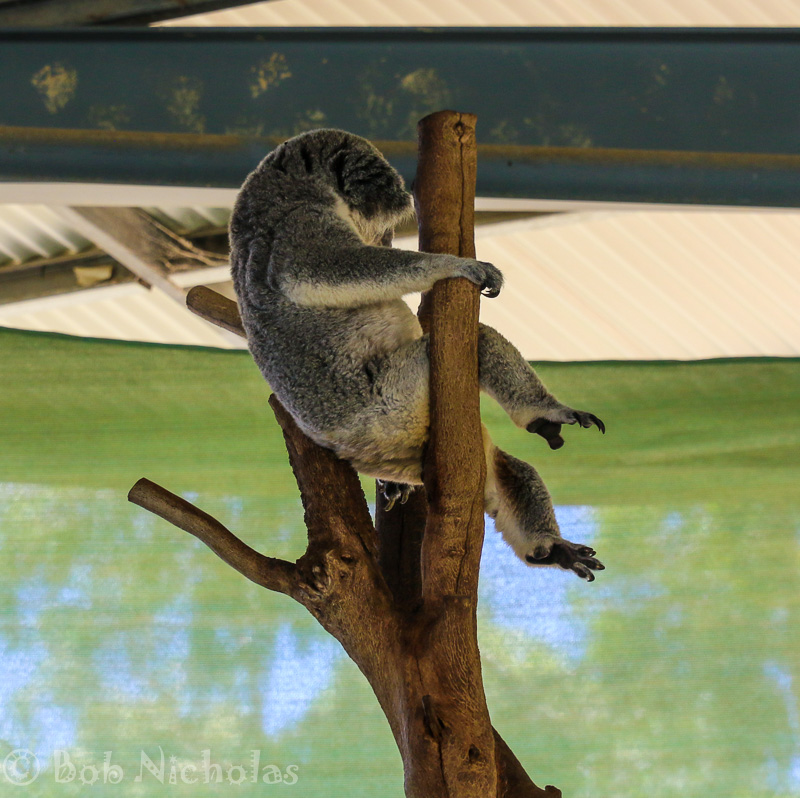
Koalas – Cohunu Koala Park, W.A.
Never the most dynamic of animals, the Koalas were, for the most part, sleeping.
Again, from the parks website ….
The Cohunu Koala Park colony was established in 1982 with the arrival of 4 koalas from South Australia. It now boasts more than 25 koalas in its colony. Our colony in Western Australia has an increase of approximately 4 baby joeys each year.
Koalas are marsupials, the female carries its young in the pouch for 6 months then on her back for a further 4 months.
Koalas live almost exclusively on eucalyptus leaves which have a poor nutritional value, thus to conserve their energy koalas sleep 18-20 hours per day, rarely drinking but relying on the water content of the eucalyptus leaves.
18-20 hours is pretty close to the sleep time for the average teenager. I wonder what their excuse is ?
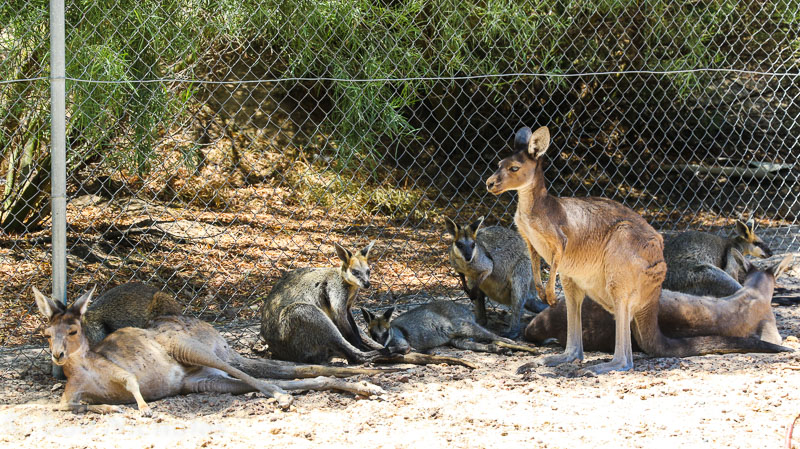
Next up, here are a few Kangaroos. Also mostly asleep but there are a few that were hopping around.
Kangaroos – Cohunu Koala Park, W.A.
It must be the heat that makes the kangaroos seek shady corners to doze in. They certainly didn’t seem to be too interested in the popcorn that we offered them.
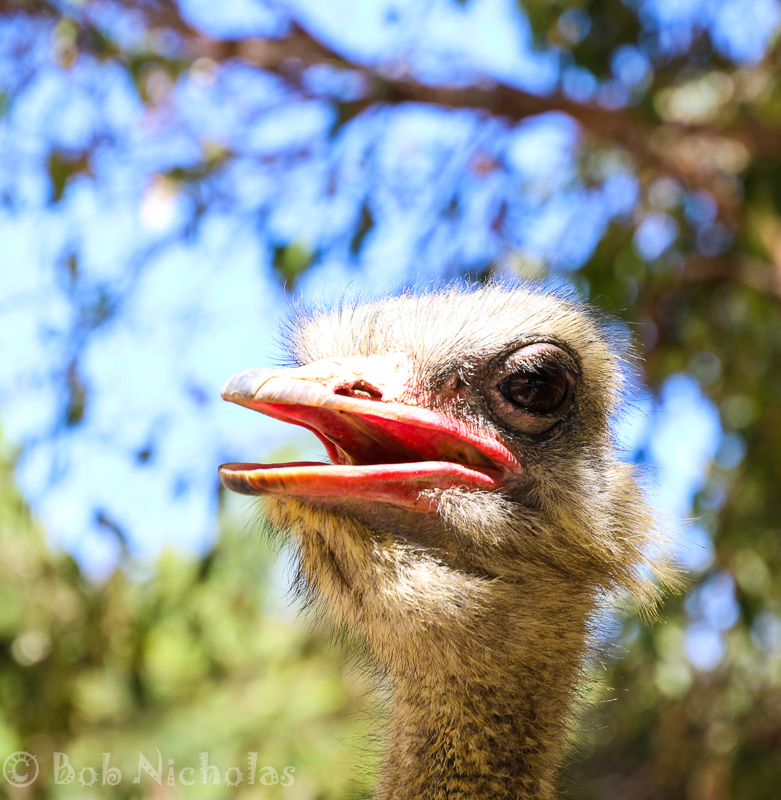
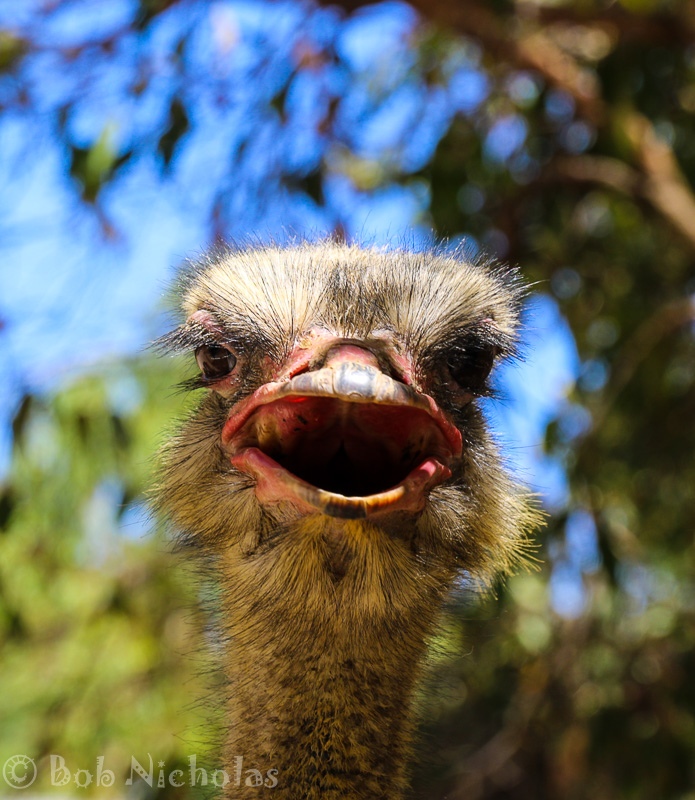
Unlike the birds, and in particular the biggest bird on the planet, the Ostrich.
Two examples certainly made light work of the popcorn that we offered them. And, when shown empty hands, scarpered pretty quickly. I guess it was cupboard love after all.
Ostrich – Cohunu Koala Park, W.A.
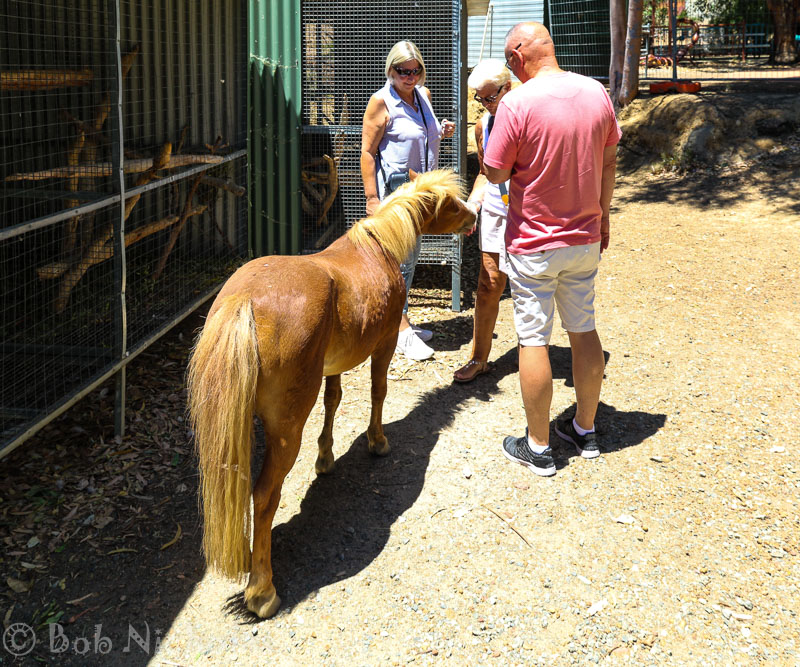
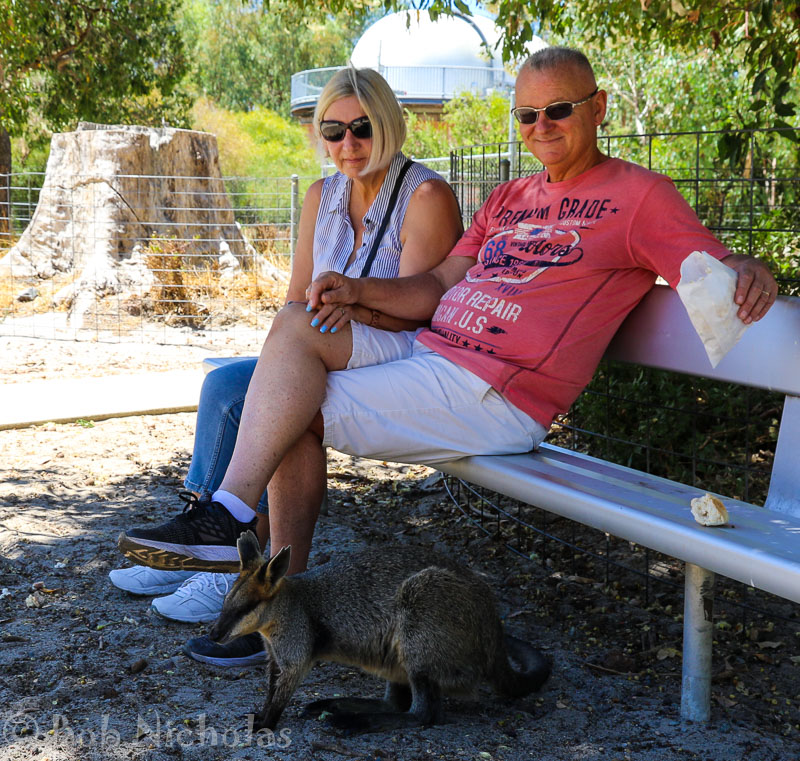
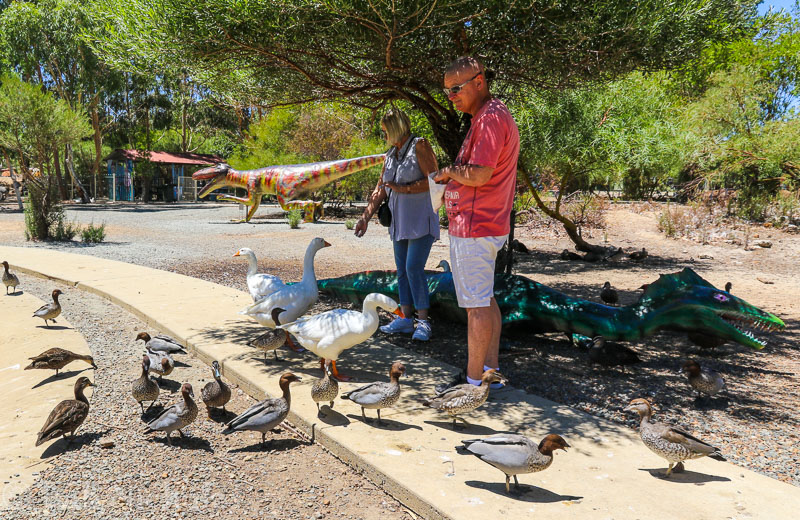
One of the nice things about Cohunu is the fact that many animals are allowed to roam pretty freely. Although they may be kept segregated to different areas, Joe Public is still able to get up close and personal.
The pony, above, made itself known by nudging each of us in turn. Usually in the rump, as if to say “Gimmee the food”. It followed us round until, I guess, it got bored. Certainly the Emu was quite inquisitive too. Due to their size, they can be fairly intimidating but they are small when compared with the Ostrich. The Kangaroos didn’t seem to be phased by close proximity of us humans.
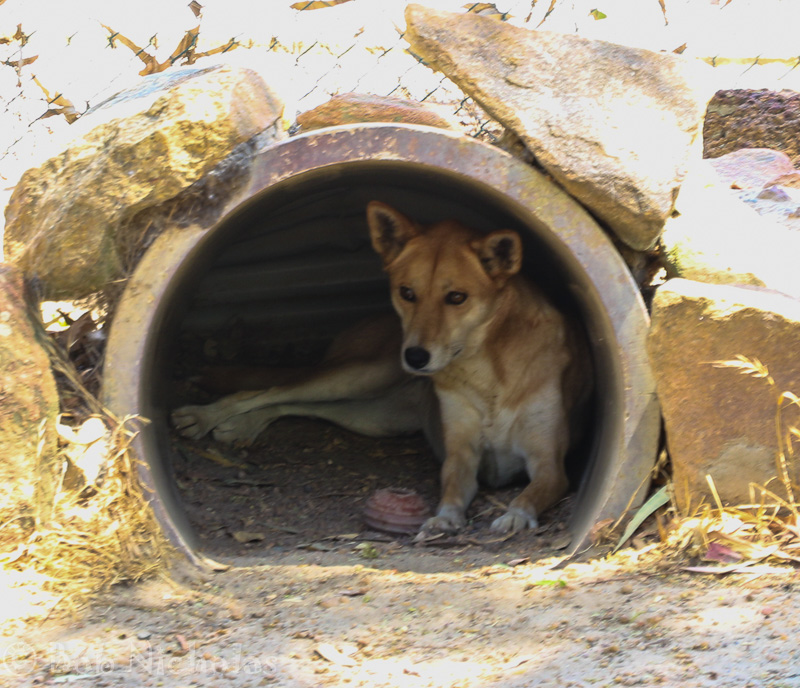
One species not encouraged to mix with us humans was the Dingo, although this one did seem to be quite friendly. At one time coming over and sitting by my feet, the two of us separated by wire mesh.
Dingo – Cohunu Koala Park
I got the feeling he was just looking for some company although, even mine wasn’t good enough, and he took himself off to the shade of the pipe.
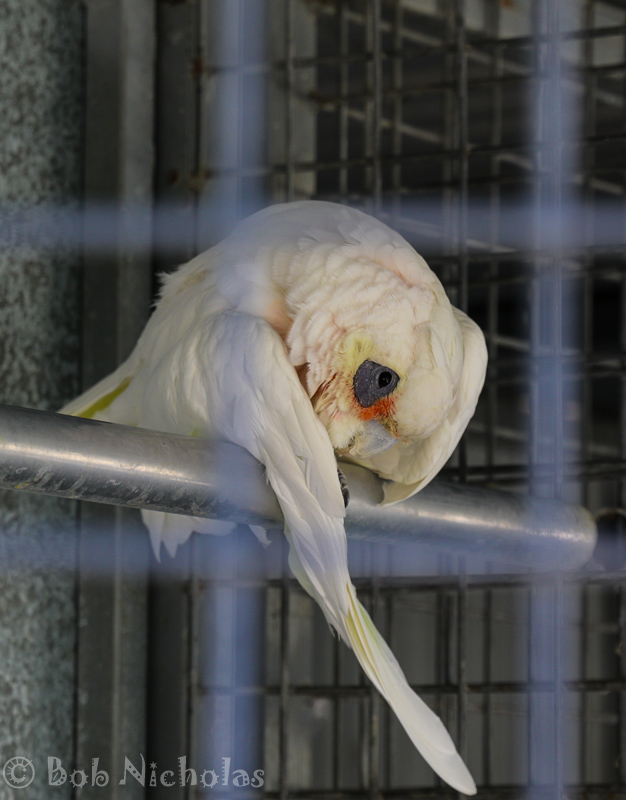
In their blurb, the Cohunu folks claim to have over 30 talking parrots. Of course that is probably true and I am not here to dispute that figure. All I can say is that I am glad they weren’t all speaking at the same time.
Many did indeed say hello and at least one seemed to be apologising although we couldn’t work out what for. They are all characters and at least one let rip with the loudest bird call I have ever experience at close quarters. The repeated shriek fair rattled my ear drums. Here are just a few of the residents.
Parrots – Cohunu Koala Park
All that remains is for me to show you some snaps of some of the other residents of the park.
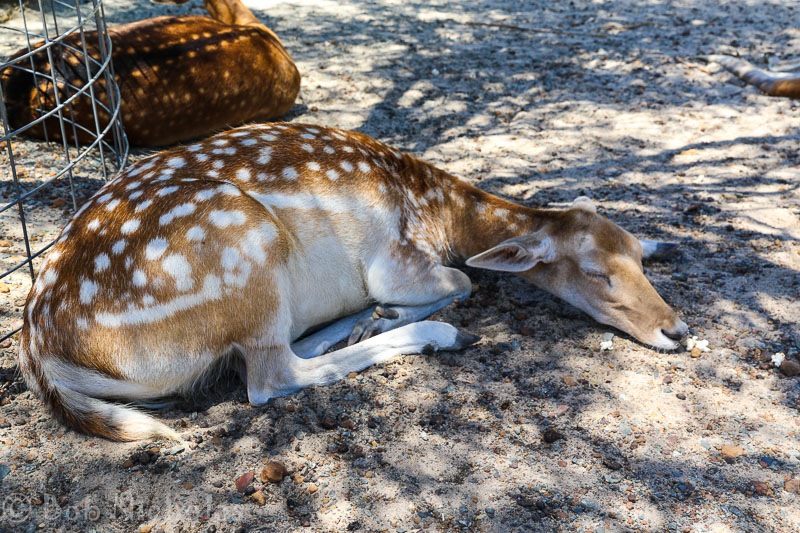
Deer
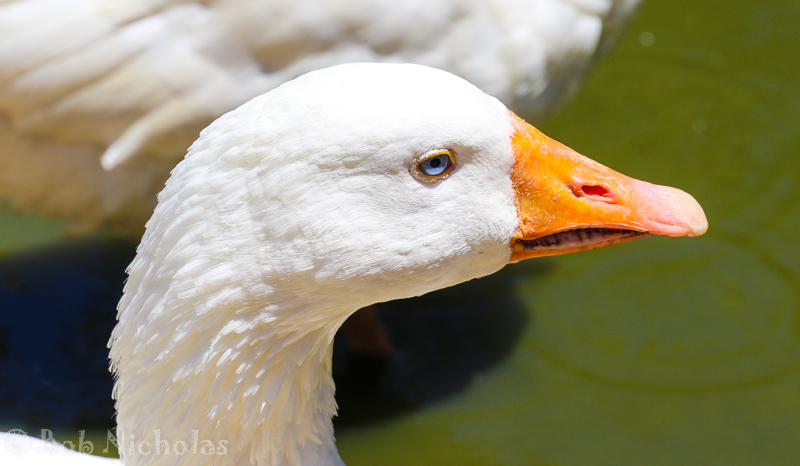
Pelican
Swan
Peacock
Peacock
Freshwater Crocodile
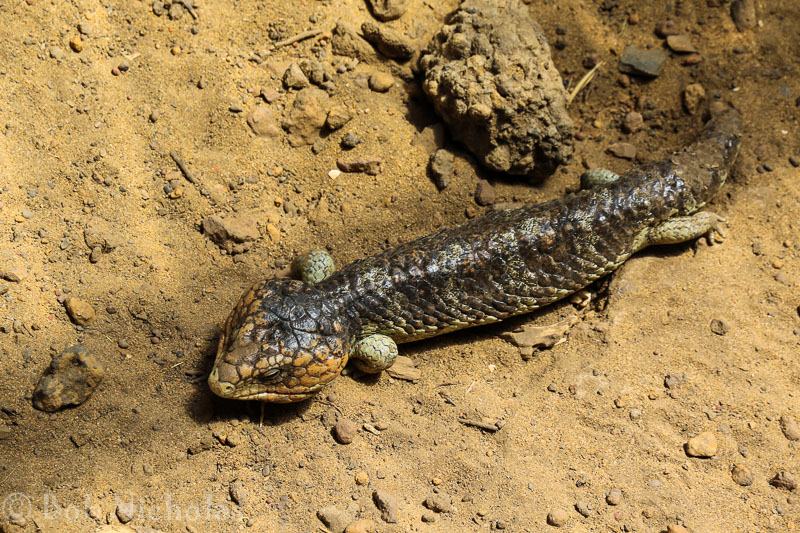
Bobtail Skink
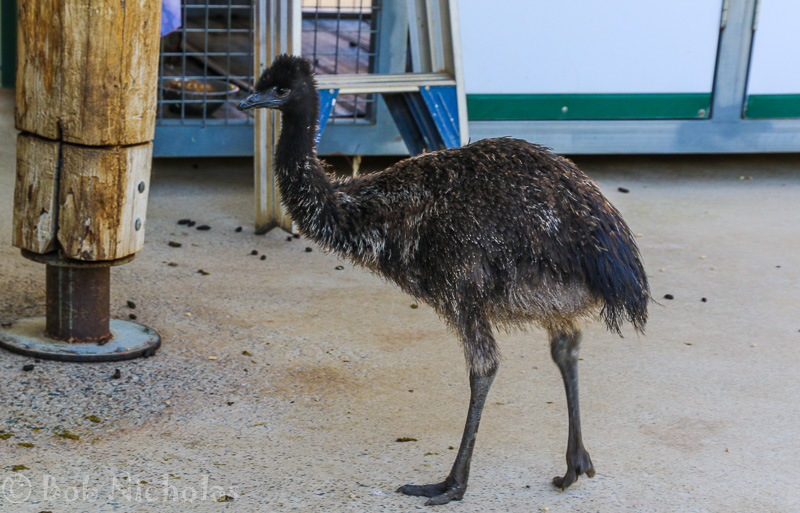
Emu
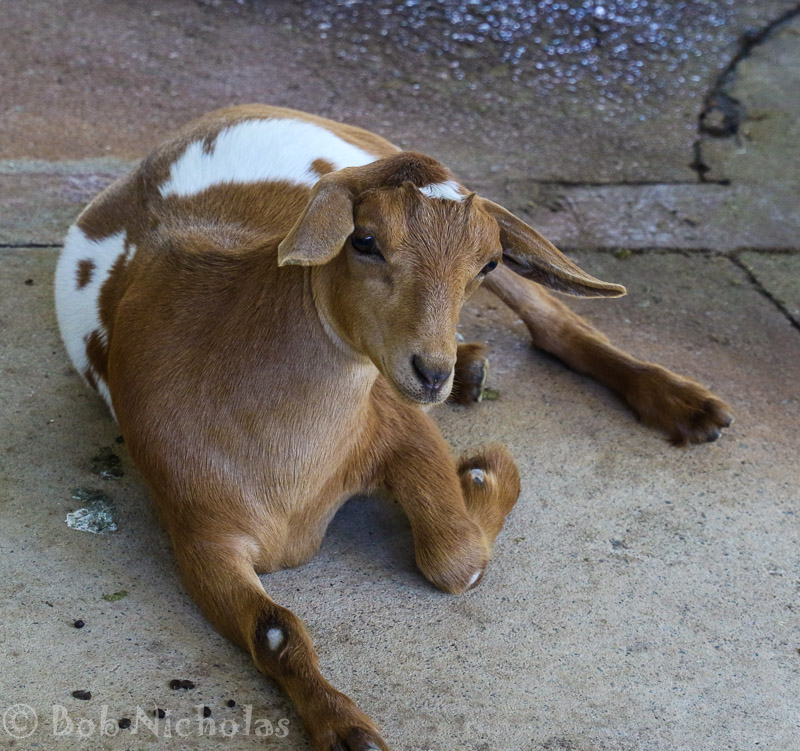
Goat
Residents – Cohunu Koala Park
Also to be found around the park are a number of unusual creatures.
Monday and it’s time to clear out of the Perth suburbs and get some fresh air. Where better to go than Araluen Botanical Park.
We have visited a few times before but never tire of returning. There is always something to see and during the week, in term time, so tranquil. There were only a few cars in the car park and once we were in the park everyone was so spread out it was as if we had the place to ourselves.
Araluen – Botanical Park
Araluen – Botanical Park
Araluen – Botanical Park – Grove of the Unforgotten
Araluen – Botanical Park
Araluen – Botanical Park
Araluen – Botanical Park
Araluen – Botanical Park – Grove of the Unforgotten
Araluen – Botanical Park
Araluen – Botanical Park
Araluen – Botanical Park
Araluen – Botanical Park
Araluen – Botanical Park
Araluen – Botanical Park
Araluen – Botanical Park
Part way round the park we popped into Chalet Healy Cafe, where they prepared lunch, a very nice Seafood Basket for each of us. Each basket comprising fish, prawns, scallops, and fish bites with chips and salad. Very tasty.
On any visit to Araluen, you never know what you will see, as you follow the many meandering paths. On this occasion we were treated to a close up view of a bird of prey, too quick to be captured in a photo. A large, almost black, lizard that darted under the steps to the cafe. Around the pool there were several families of ducks, Terrapins and large gold fish.
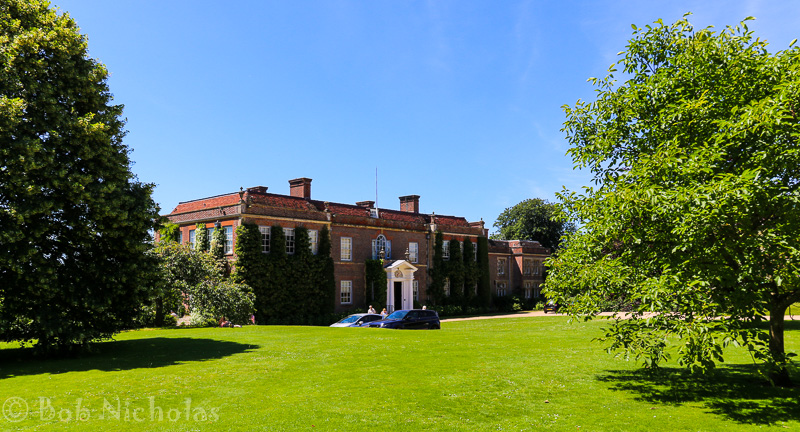
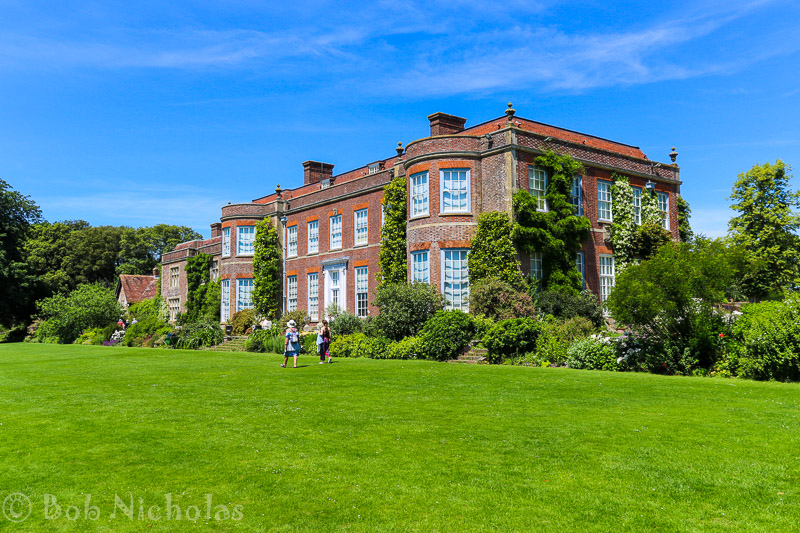
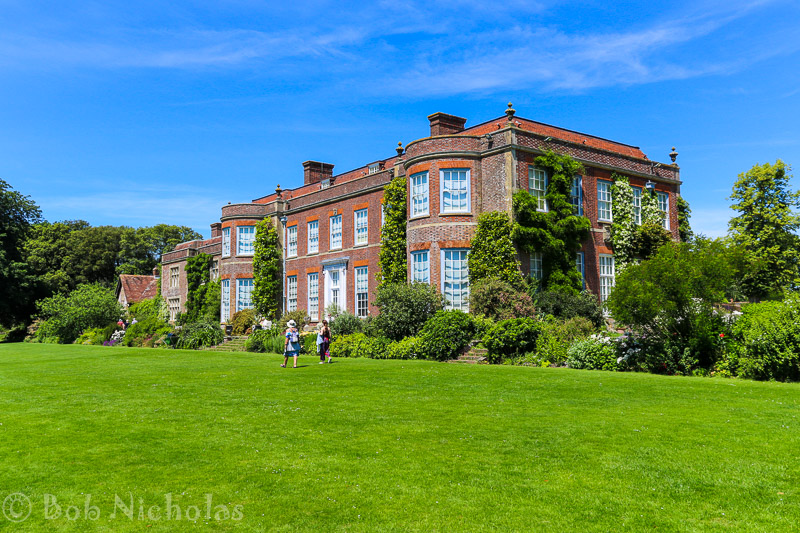
Earlier this year we took a day trip, out into the countryside, with our heavily pregnant granddaughter. We ended in the grounds of the National Trust house, Hinton Ampner.
From the National Trust website ….
This elegant country manor and tranquil garden sit so harmoniously within the landscape that one cannot exist without the other.
The house was lovingly rebuilt by its last owner, Ralph Dutton, after a catastrophic fire in 1960. Enjoy the beautifully proportioned rooms which house his exquisite collection of ceramics and art, each window offering undisturbed views to the tranquil countryside beyond.
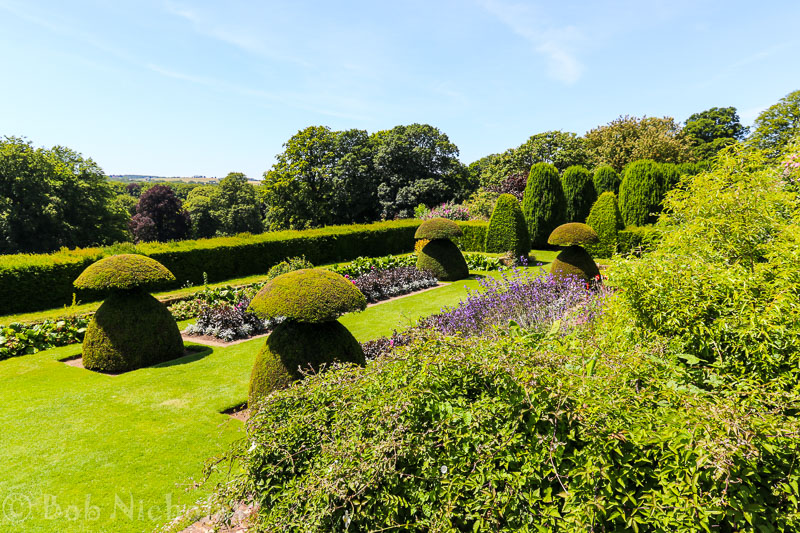
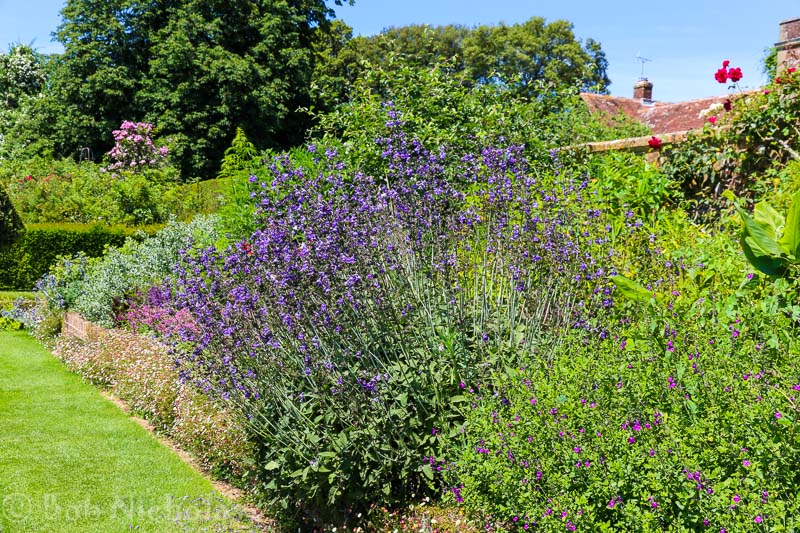
Beautifully manicured lawns lead the eye down avenues of sculptured topiary, past borders full of the heady scent of roses, to breathtaking views across the South Downs.
Earlier this year I took a bit of a trip down memory lane and somehow ended up in the Sussex village of Brede. Now Brede is just a couple of miles up the road from my home in Westfield, another Sussex village. My mates and I used to take off on our bikes, with our fishing rods, and spend the day along the banks of the Brede River. What we never knew was, that less than half a mile away, as the crow flies, there were giants !!!
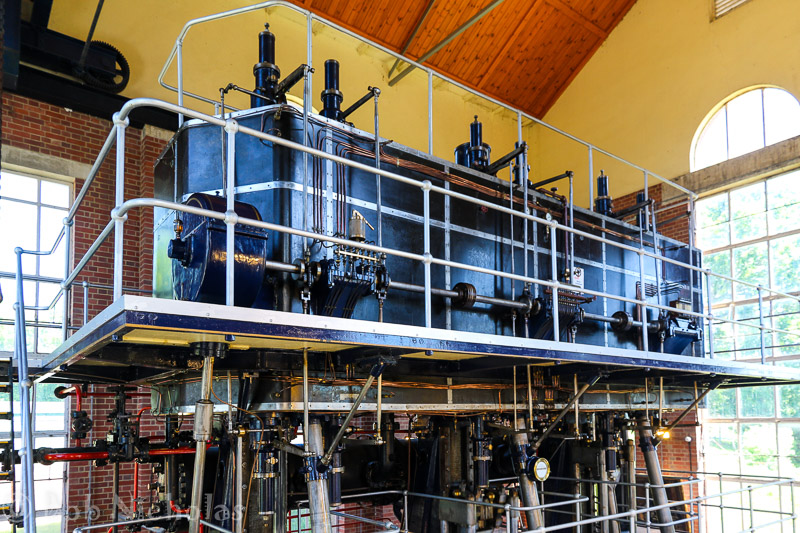
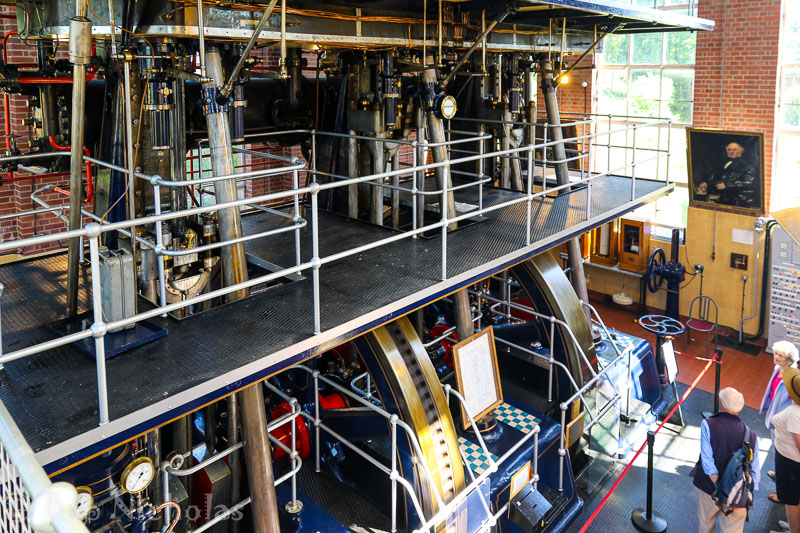
Of course, these aren’t the mythological giants of legend. These giants are of the steam variety. As pre-teenage kids we were totally unaware of the wonders that were working so hard just a short distance away.
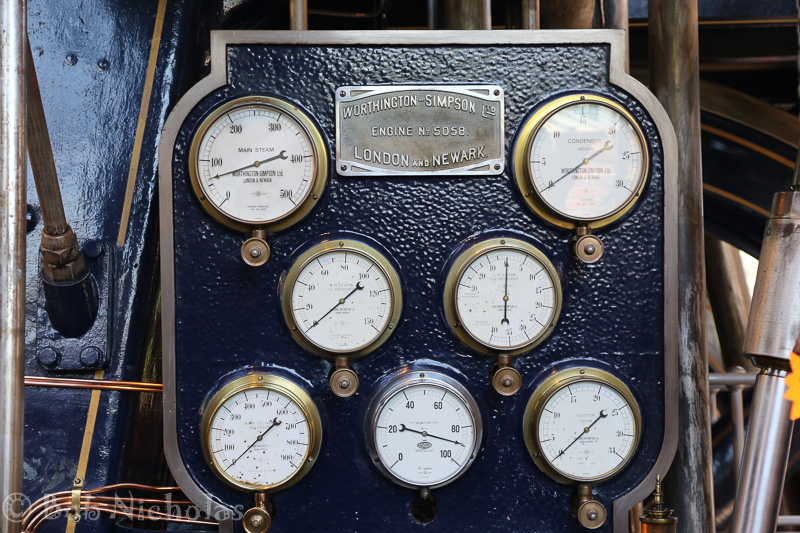
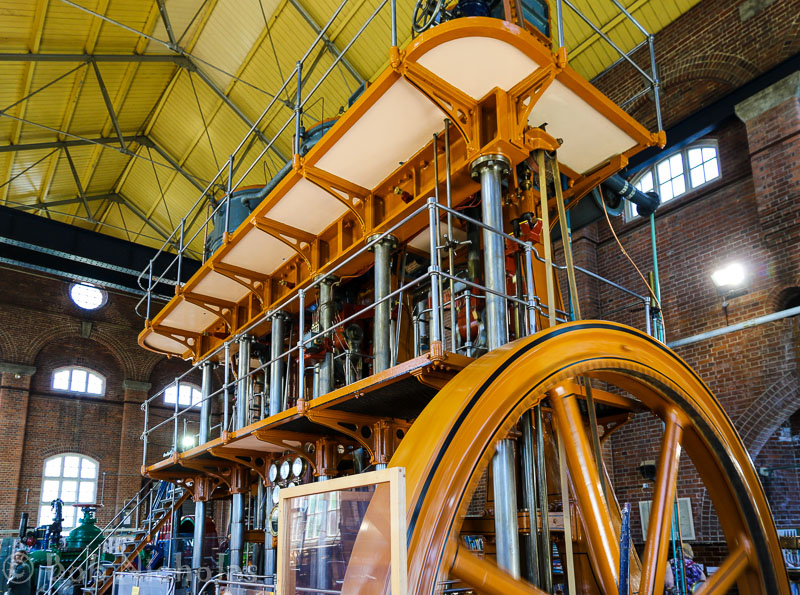
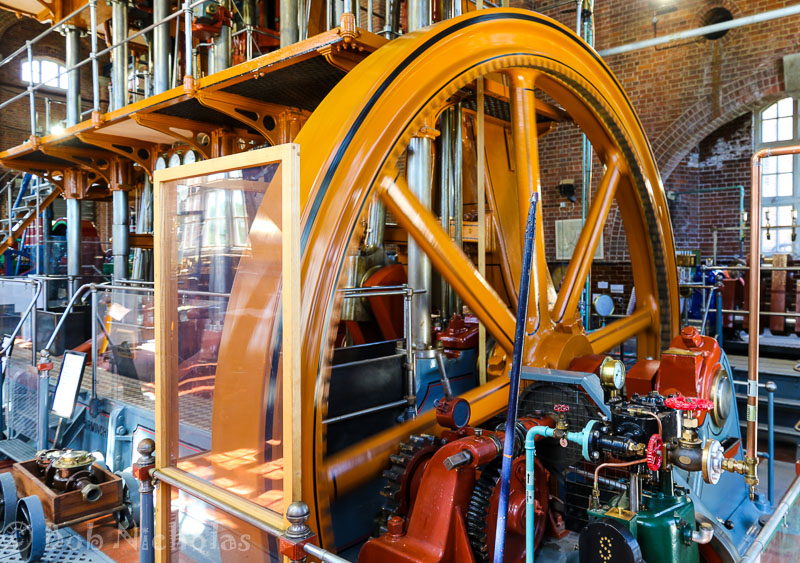
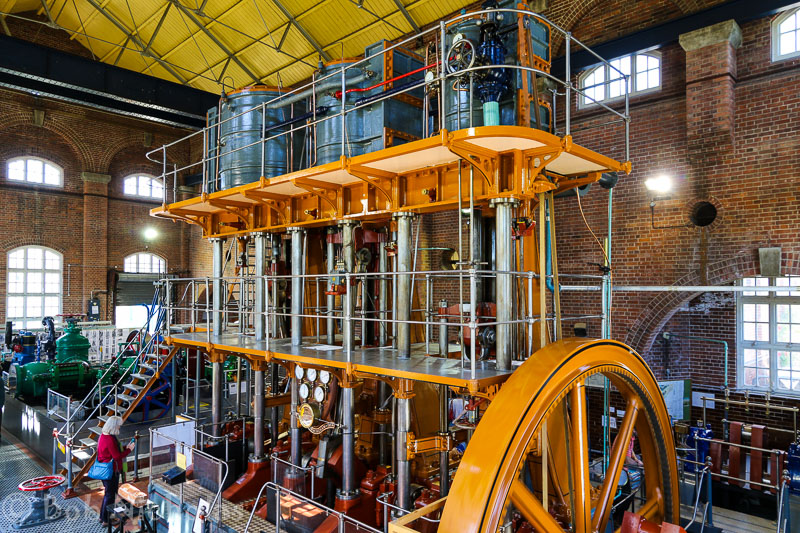
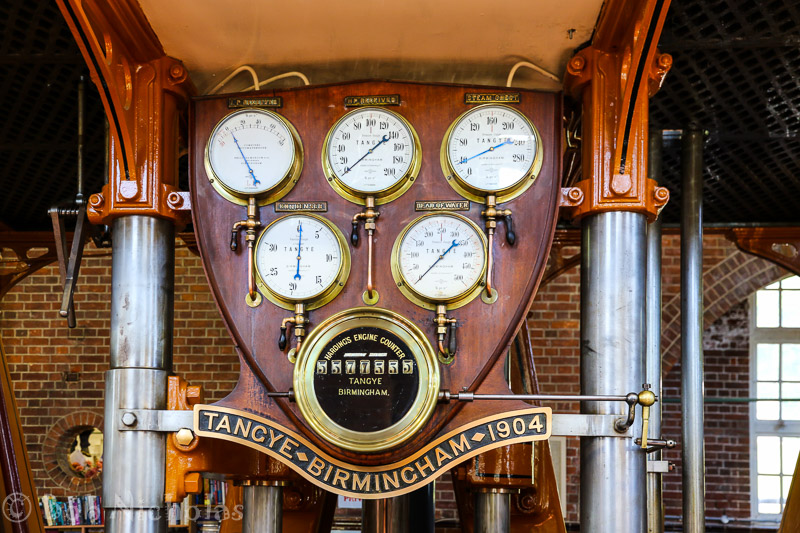
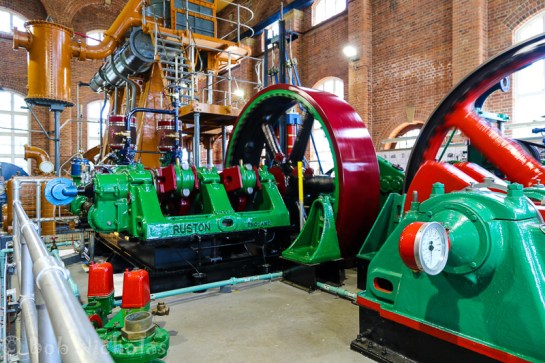
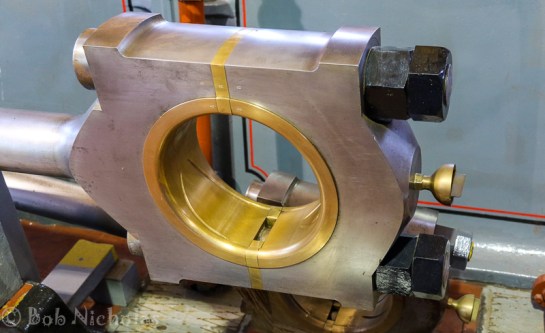
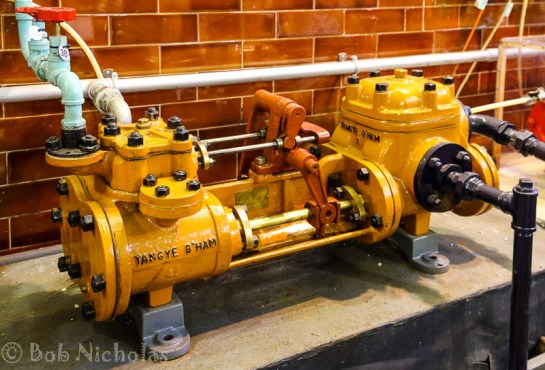
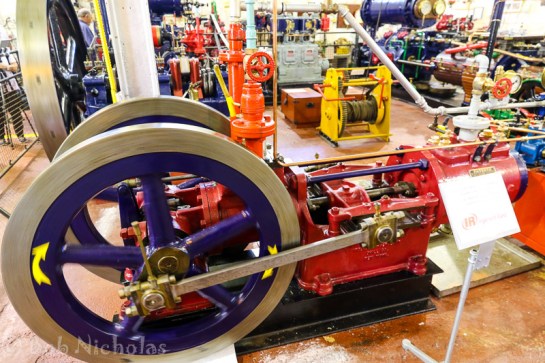
The “giants” were two Tangye engines with their associated pumps which were installed in 1904, and a third manufactured by Worthington Simpson , added in 1940. All three units operated until the end of steam in 1964.
Brede Water Works – Giant
Brede Water Works – Giant
Brede Water Works – Giant
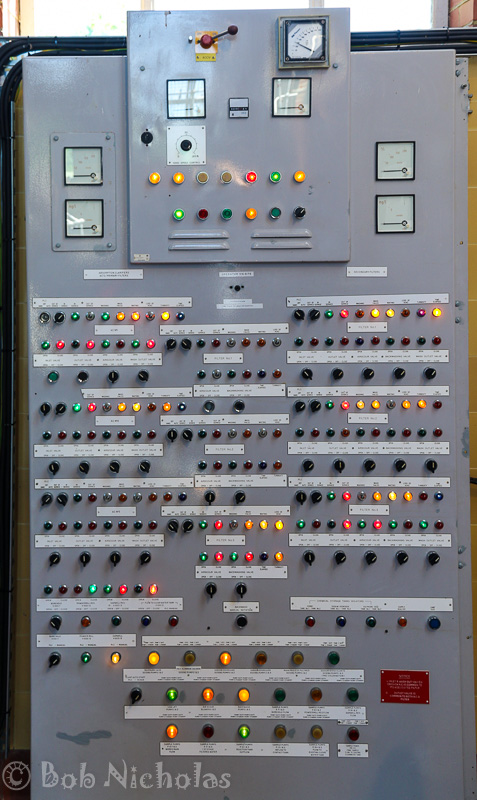
Brede Water Works – Guages
Brede Water Works – Giant Steam Engine
Brede Water Works
Brede Water Works
Brede Water Works – One of the giant Steam Engines
Brede Water Works
Brede Water Works – One of the giants
Brede Water Works – One of the giants
Brede Water Works – Guages
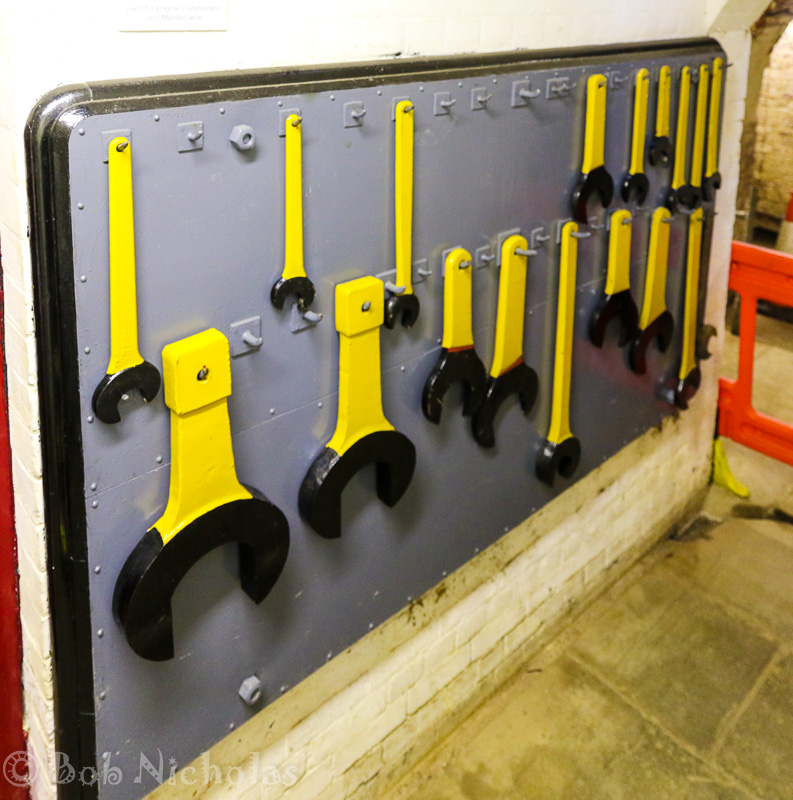
Brede Water Works – Big Spanners
Brede Water Works
Brede Water Works – Take your pick
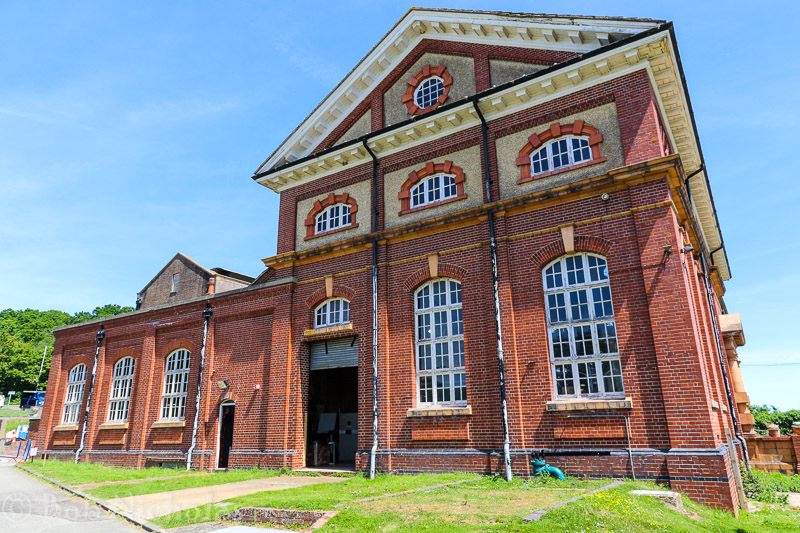
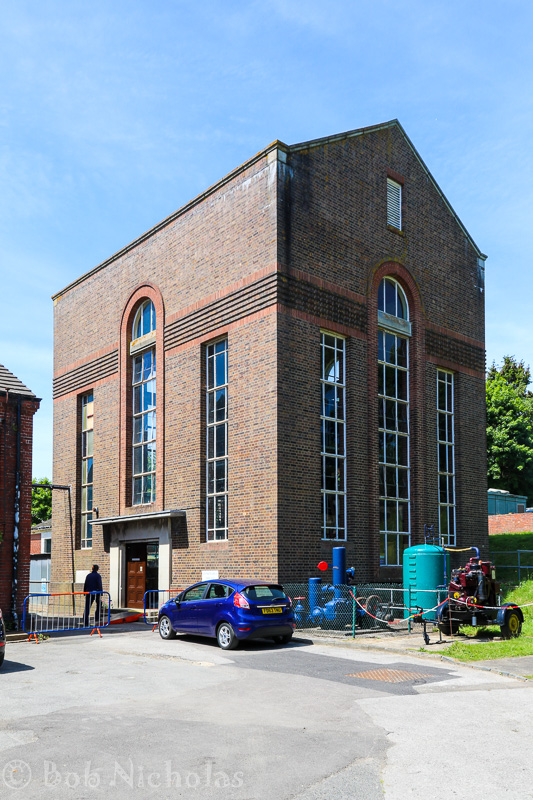
Brede Water Works – Home To Giants
Brede Water Works – Home To Giants
Brede Water Works – Home To Giants
The water, pumped by these giants, was drawn from large wells penetrating the rock (Ashdown Sandstone aquifer) beneath the River Brede. It was purified and then pumped into service reservoirs on The Ridge above Hastings for distribution by gravity via the pipe networks serving Hastings.
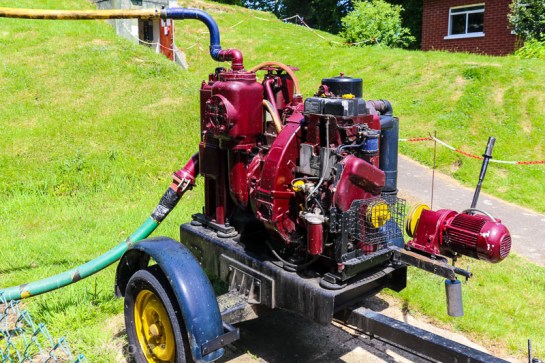
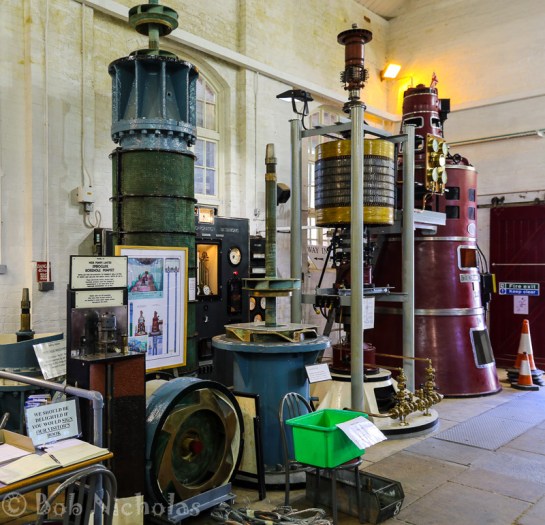
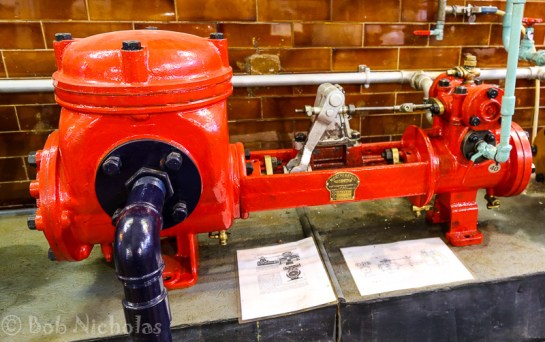
Of course, there is more here than just the “giant” steam engines. There are many other steam pumps and engines. Some were originally from this site. Others have been donated from further afield. The folks that work here are all volunteers and they work very hard to maintain a working display of this old technology.
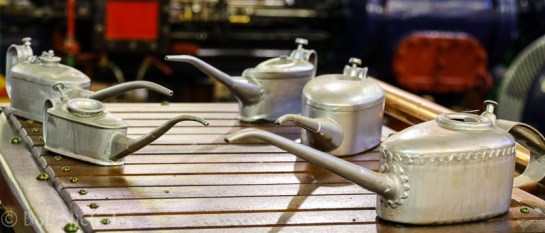
Brede Water Works – Oil Cans
Brede Water Works
Brede Water Works
Brede Water Works
Brede Water Works
Brede Water Works
Brede Water Works
Brede Water Works
Brede Water Works
Brede Water Works
Brede Water Works
Brede Water Works
Brede Water Works
Brede Water Works
Brede Water Works
Brede Water Works
Also on this site there are artifacts from more recent years, from the time of the cold war. There is nuclear bunker, one of three built by Southern Water as an emergency control centre to become operational in the event of nuclear war. It was never completed and work on the bunker appears to have stopped in 1992.
Brede Water Works – Bunker
Brede Water Works – Bunker
Brede Water Works – Bunker
Brede Water Works – Bunker
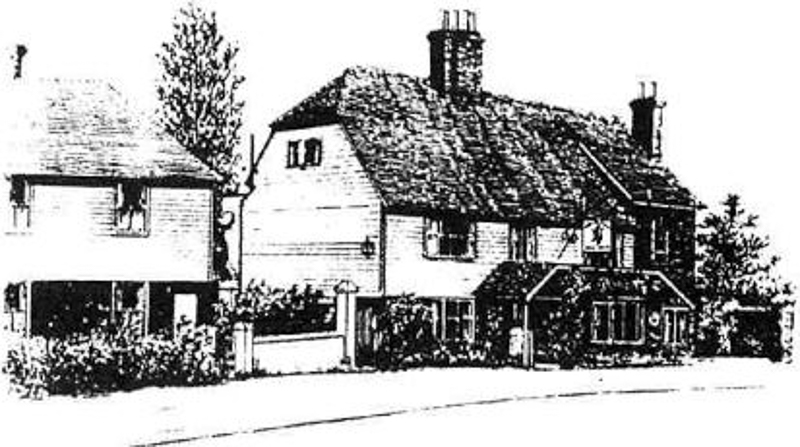
Following our visit to Brede Water Works we headed up to Brede village for a bite to eat and not before long we were sat in the beer garden at the rear of the Red Lion pub.
The Red Lion is a family run 15th Century pub serving an interesting range of freshly cooked dishes. The menu features locally caught fish from Hastings & Rye, meat from Hastings, locally sourced & homegrown fruit & vegetables and wild mushrooms foraged in Brede High Woods.
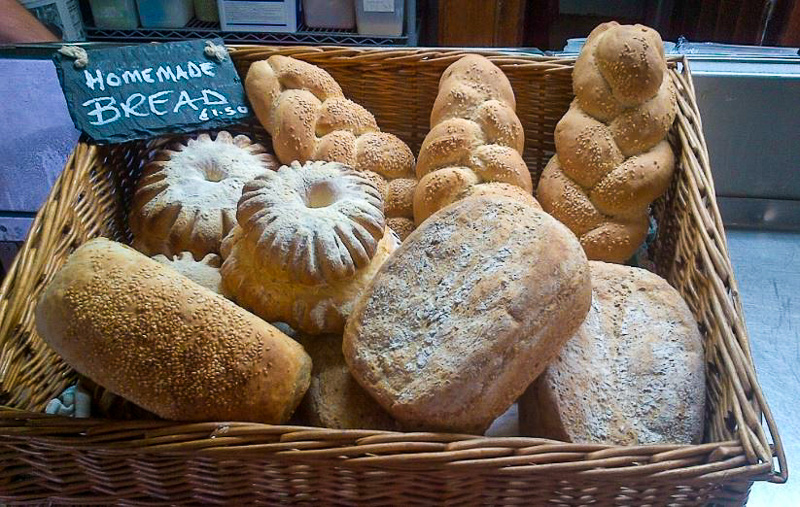
Here I had one of the best seafood platters, ever. With some of the home made “Brede Bread” on the side.
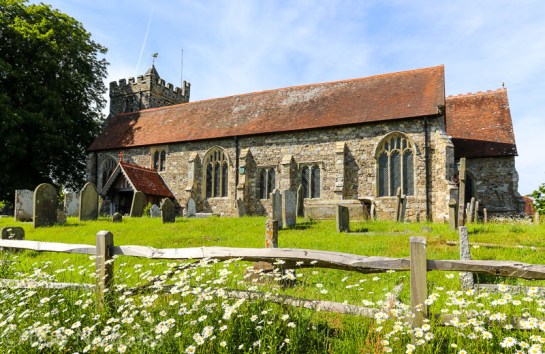
Just round the corner from the Red Lion is St. Georges church.
St. Georges has quite a history. Here is just a short piece that I have quoted from their own website.
In about 1017, soon after his marriage to Emma of Normandy, King Canute granted a land called ‘Rammesleah’ to the Abbey at Fecamp in Normandy. Construction of the present church in around 1180 was probably funded by the Abbott of Fecamp. Until 1413 Brede remained under the domination of the Abbey and the parish was served by its Benedictine monks until ‘alien’ (foreign) priories were dissolved buring the reign of King Henry VIII.
The name of the village is first found in a charter of c1030 and comes from Olde English ‘bredu’ meaning breadth’ referring to the wide river to the south.
The River Brede later took it’s name from the village.
The Church is dedicated to St. George, probably a soldier martyred in Palestine in the early 4th century. Besides also being Patron Saint of England he is remembered above all for the legend of ‘St. George and the Dragon’. There is a window dedicated to him at the west end of the north aisle and a statue near the altar in the church. Very little of the earlier Norman building remains and the structure of the Church developed over a period of some 400 years from the 12th century onwards.
From the exterior, much of what one sees is 15th century Perpendicular architecture. The walls were built of local sandstone and ironstone. High on a buttress near the porch is a brass sundial dated 1826.
After the girls had, two days ago, overdosed on retail therapy, and I had walked my pins to stumps exploring the River Weaver, it was time to absorb some more Cheshire history. And so off we set, into previously uncharted territory. Our destination, Quarry Bank Mill.
Quarry Bank Mill (Styal Mill)
Quarry Bank Mill (also known as Styal Mill) in Styal, Cheshire, is apparently, one of the best preserved textile mills of the Industrial Revolution. Built in 1784, it is now a museum of the cotton industry. The mill was established by Samuel Greg and was notable for the innovative approach to labour relations. This was largely as a result of the work of Greg’s wife, Hannah Lightbody.
On entry to the mill you are guided through the wool/cotton making process, entering on the ground floor. The various informational boards lead you, initially, up to the top floor. This is probably a good thing as by the end of the tour, on weary legs, you exit at ground level, not far from the cafe. Thankfully there is a lift to get you to the top.
Caterpillar Barrow
Weaving Machine – Quarry Bank
Dentists Chair
Lancashire Overpick Loom – Quarry Bank
As one explores there are plenty of information boards which enable you to understand the environmental and the social changes that were happening at the time. Lots of examples of the typical “contracts of employment” and apprentice indentures. The mill employed men, women and children. Men, then as now, were typically paid more than women doing the same jobs. Nothing changes.
Perhaps, one of the most significant events of the time was Peterloo …..
The Peterloo Massacre took place at St Peter’s Field, Manchester, England, on 16 August 1819, when cavalry charged into a crowd of 60,000–80,000 who had gathered to demand the reform of parliamentary representation.
The end of the Napoleonic Wars in 1815 had resulted in periods of famine and chronic unemployment, exacerbated by the introduction of the first of the Corn Laws. By the beginning of 1819, the pressure generated by poor economic conditions, coupled with the relative lack of suffrage in Northern England, had enhanced the appeal of political radicalism. In response, the Manchester Patriotic Union, a group agitating for parliamentary reform, organised a demonstration to be addressed by the well-known radical orator Henry Hunt.
Shortly after the meeting began, local magistrates called on the Manchester and Salford Yeomanry to arrest Hunt and several others on the hustings with him. The Yeomanry charged into the crowd, knocking down a woman and killing a child, and finally apprehending Hunt. The 15th Hussars were then summoned by the magistrate, Mr Hulton, to disperse the crowd. They charged with sabres drawn, and in the ensuing confusion, 18 people were killed and 400–700 were injured. The massacre was given the name Peterloo in an ironic comparison to the Battle of Waterloo, which had taken place four years earlier.
After the epic tour of Tatton Park, the girls decided that they needed some retail therapy. As this is definitely not my thing, I dropped them off at the Cheshire Oaks retail park and took off to explore a little.
My original plan was to visit the canal and quayside at Preston Brook. Unfortunately, there didn’t appear to be anywhere for me to park, legally. So, I had to wander a little further afield.
Which is how I found myself visiting Acton Bridge.
Acton Bridge
Acton Bridge, Cheshire
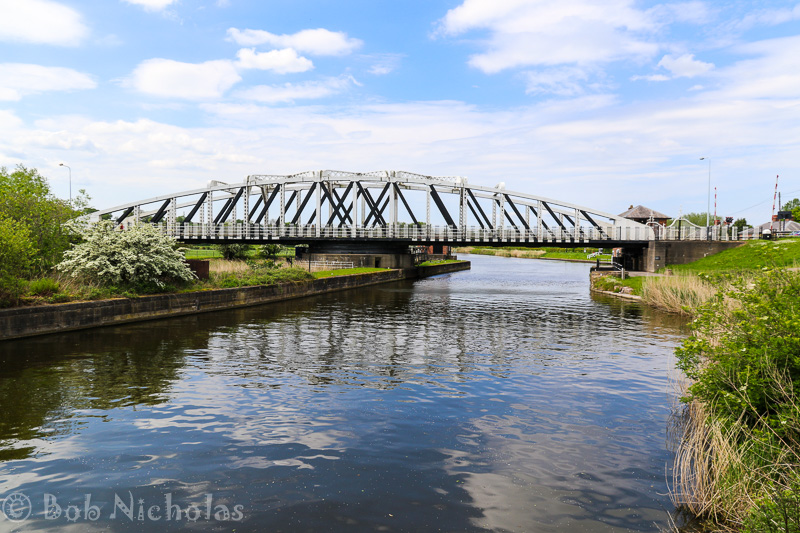
The Acton Swing Bridge spans the River Weaver in the village of Acton Bridge in north Cheshire, England. First operated in 1933, it carries the A49 trunk road.
Acton Swing Bridge, Cheshire
Rana @ Acton Bridge, Cheshire
River Weaver, Acton Bridge, Cheshire
Acton Swing Bridge, Cheshire
Rana @ Acton Bridge, Cheshire
Acton Swing Bridge, Cheshire
River Weaver, Acton Bridge, Cheshire
Acton Swing Bridge, Cheshire
Acton Swing Bridge, Cheshire
Turntable, Acton Swing Bridge, Cheshire
Acton Swing Bridge, Cheshire
From the Acton Swing Bridge I decided to walk along the river to Dutton Locks, a distance of about 1.3 miles. According to Google it would take approximately 25 minutes. Of course that doesn’t allow for someone carrying a camera and prone to many stops to capture that essential shot. Or to listen to the birds singing. And there were a lot of birds singing.
River Weaver, Cheshire
River Weaver, Cheshire
River Weaver, Cheshire
River Weaver, Cheshire
River Weaver, Cheshire
After a very enjoyable stroll I reached the area of the locks.
Dutton Locks
A pair of locks, dating from around 1874. Built for the Weaver Navigation Co. The locks are large enough to take sea going ships and have semaphore signals to control entry.
Close to the locks is a sunken boat, the ‘Chica’. Apparently, in its prime, it used to be a hotel boat.
Dutton Locks Cottages
View of Horse Bridge and Railway Viaduct from Dutton Locks
Derelict Vessel “Chica”, Dutton Locks
Dutton Locks, Cheshire
View of Horse Bridge and Railway Viaduct from Dutton Locks
Spillway near Dutton Locks
View of Horse Bridge and Railway Viaduct from Dutton Locks
Derelict Vessel “Chica”, Dutton Locks
Spillway near Dutton Locks
View of Horse Bridge and Railway Viaduct from Dutton Locks
Bridge near Dutton Locks
Dutton Locks
Bridge near Dutton Locks
Semaphore Signals, Dutton Locks
After a pleasant chat with a representative of the Canal and River Trust it was time to head back to my car and go to pick up the girls. As I hadn’t taken any water with me I was gagging for a drink. So I picked them up and we headed home for, in my opinion, a well earned cup of tea.
Last week my wife and I took a trip up to the Wirral, to visit the outlaws. My wifes sister, our niece and her daughter. As we always do on such visits, we like to do the touristy thing and go on days out, to visit some stately pile, gardens or perhaps country views.
On this occasion, our first trip out, was to Tatton Park.
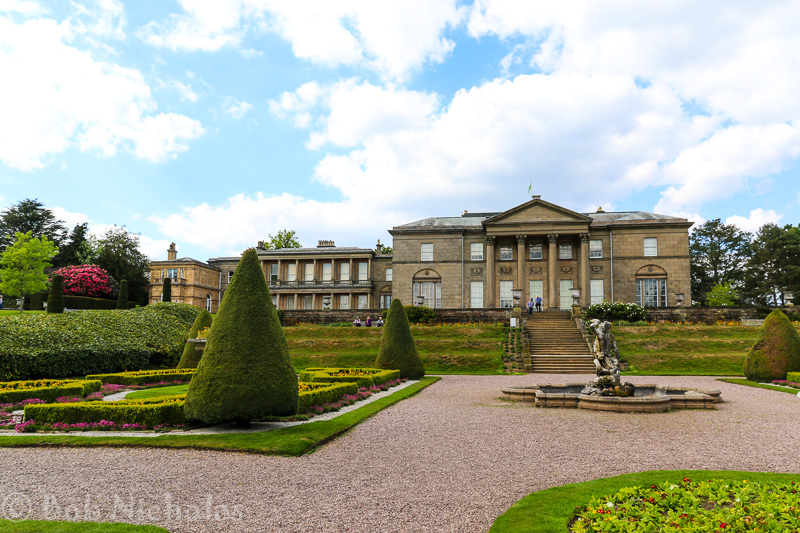
The Mansion at Tatton Park
Tatton Park is an historic estate in Cheshire, England, north of the town of Knutsford. It contains a mansion – Tatton Hall, a medieval manor house – Tatton Old Hall, Tatton Park Gardens, a farm and a deer park of some 2,000 acres.
On our arrival we came across these vehicles. Apparently there was to be a fair in the park over the weekend. These were just some of the support trucks for the various fairground rides.
1951 Scammell
1976 Scammell & 1960 Scammell
These are the heavy haulers that I used to see on the roads when I was a kid.
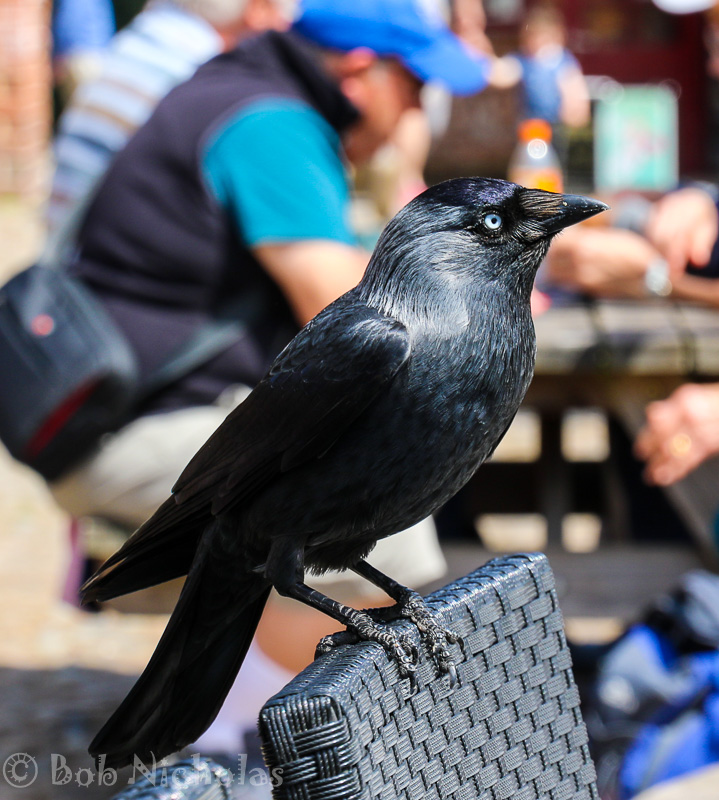
There is a lot of ground to cover at Tatton Park. Before exploring we popped into The Stables for a bite to eat. The weather, being kind, allowed us to eat al fresco. Although that was a dubious honour as we were kept under constant observation by the resident Jackdaws.
Jackdaw, Tatton Park
Jackdaw, Tatton Park
Jackdaw, Tatton Park
These guys were not shy. It wasn’t quite like a scene from Hitchcocks “The Birds” but they certainly had plans for us, or rather our food. It wasn’t long before one of our observers made a high speed run and stole a chip from our plate whilst we were still eating. I noticed that they were selective too. They had no interest in the salad stuff left on an adjacent table. They did inspect it, but then went back to trying to intimidate us into leaving our sausage and chips.
Suitably fuelled up we headed out into the grounds, looking for the Japanese and Italian gardens. En-route we passed through this tranquil lawned area.
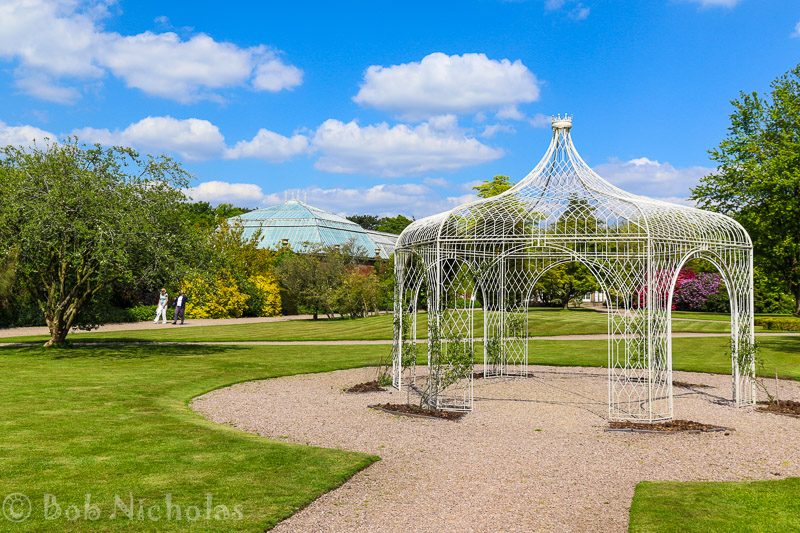
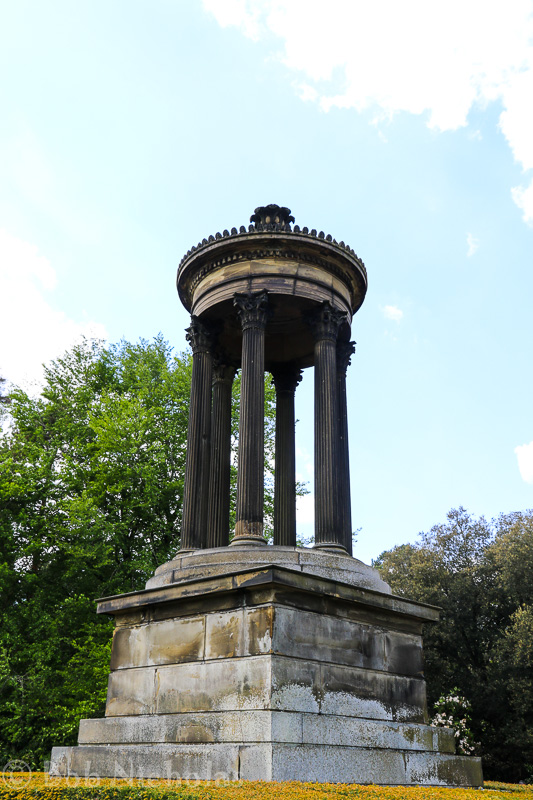
Tatton Park
Tatton Park
Tatton Park
Tatton Park
Tatton Park
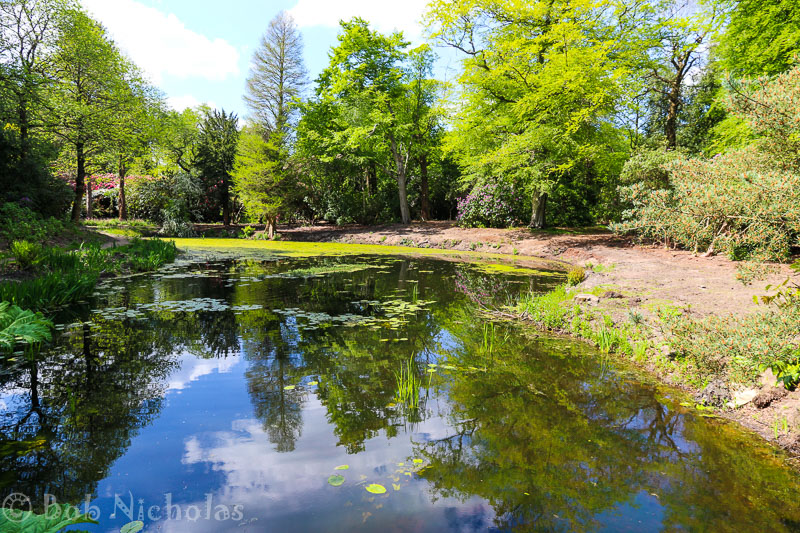
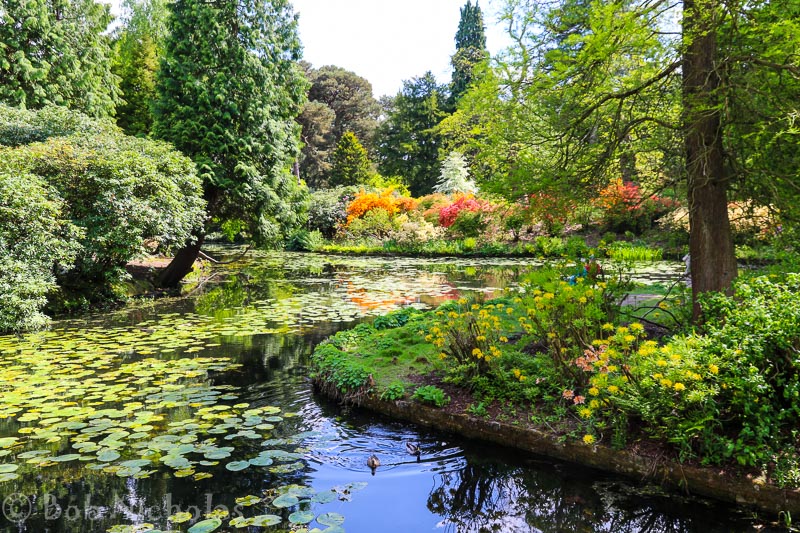
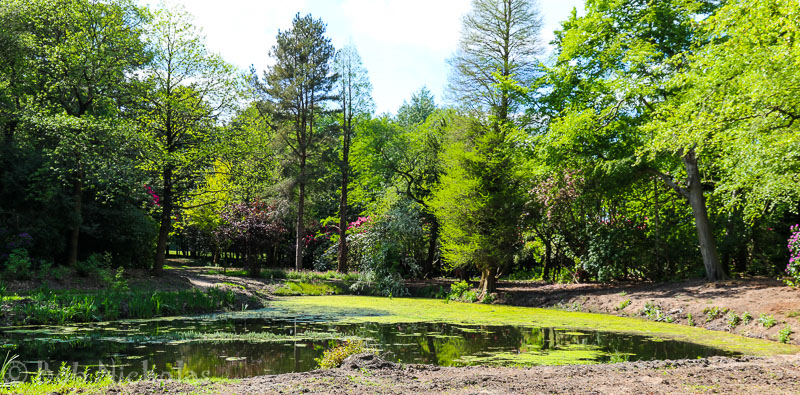
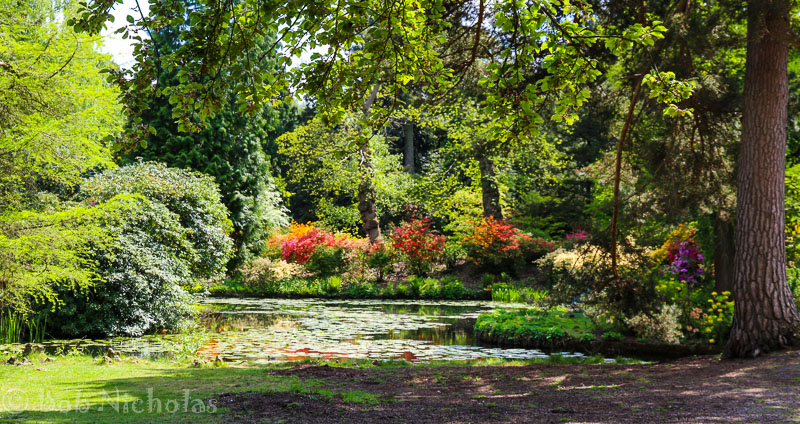
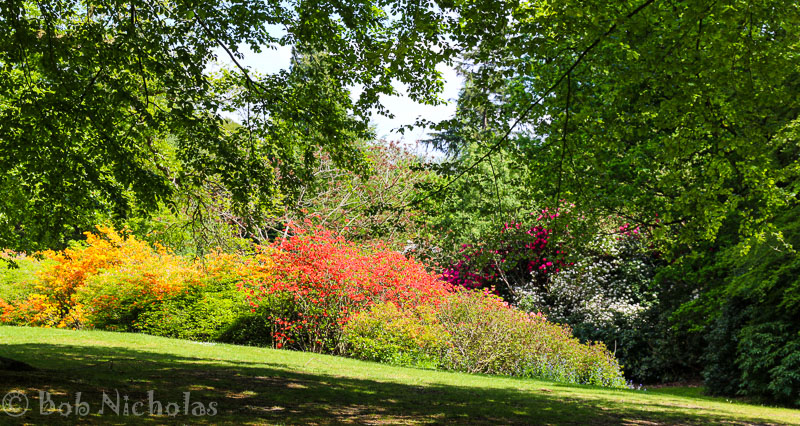
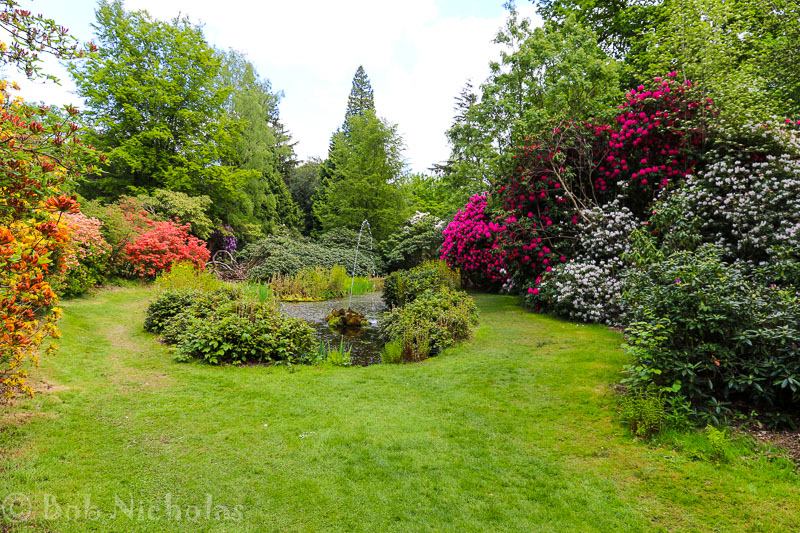
Still en-route, the signs lead us down to the Golden Brook Pits area. Tranquil waters surrounded by Rhodedendrons and Azaleas.
Tatton Park
Golden Brook Pits, Tatton Park
Golden Brook Pits, Tatton Park
Golden Brook Pits, Tatton Park
Golden Brook Pits, Tatton Park
Tatton Park
Golden Brook Pits, Tatton Park
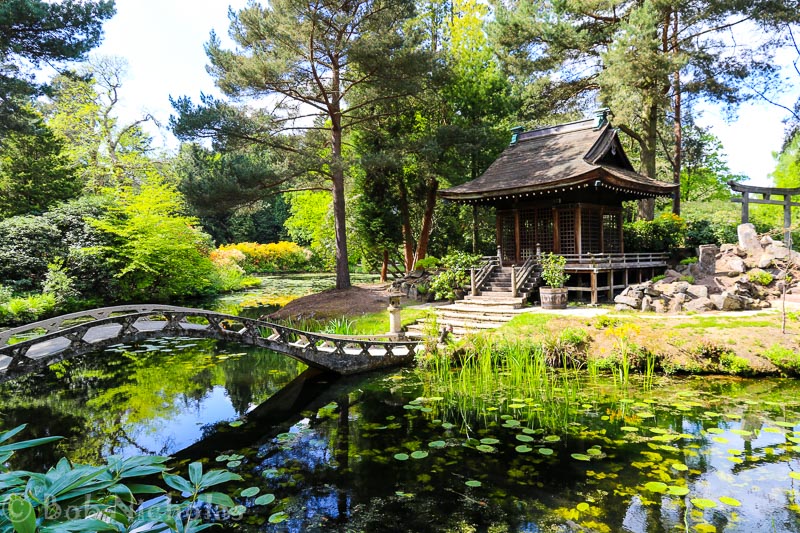
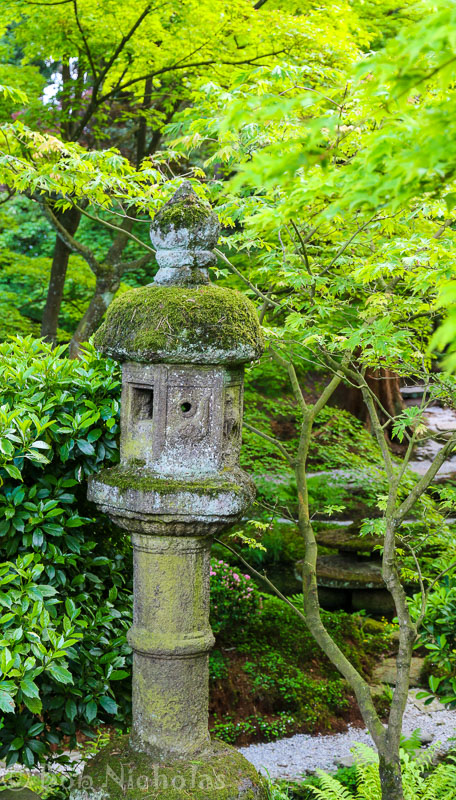
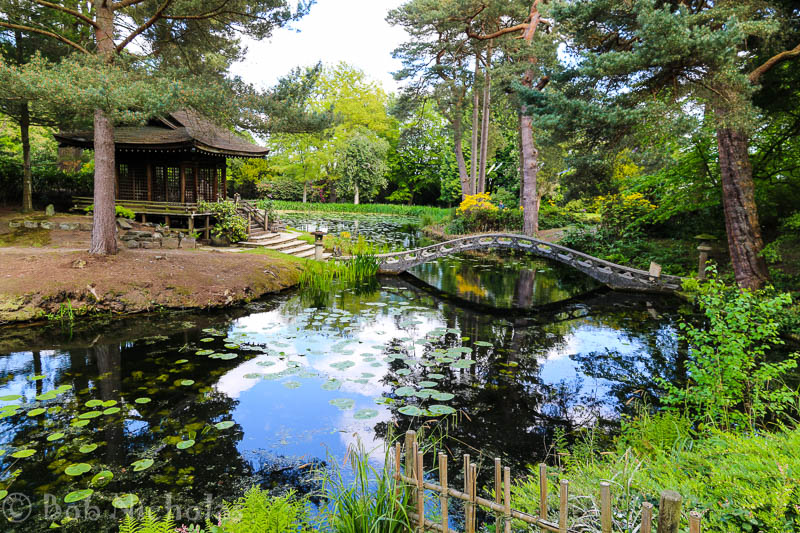
Eventually we did reach the Japanese Garden, very peaceful and beautiful…
Japanese Garden, Tatton Park
Japanese Garden, Tatton Park
Tatton Park
Japanese Garden, Tatton Park
Japanese Garden, Tatton Park
Japanese Garden, Tatton Park
Strolling round the grounds is very relaxing and ones senses are overwhelmed with the sights, scents and the sounds of bird song that greet you round every turn.
Leech Pool, Tatton Park
Tatton Park
Tatton Park
Melchette Mere, Tatton Park
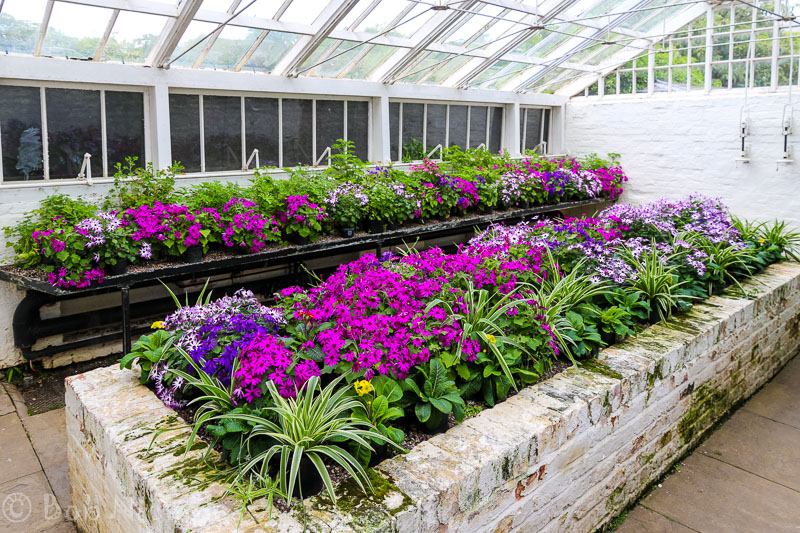
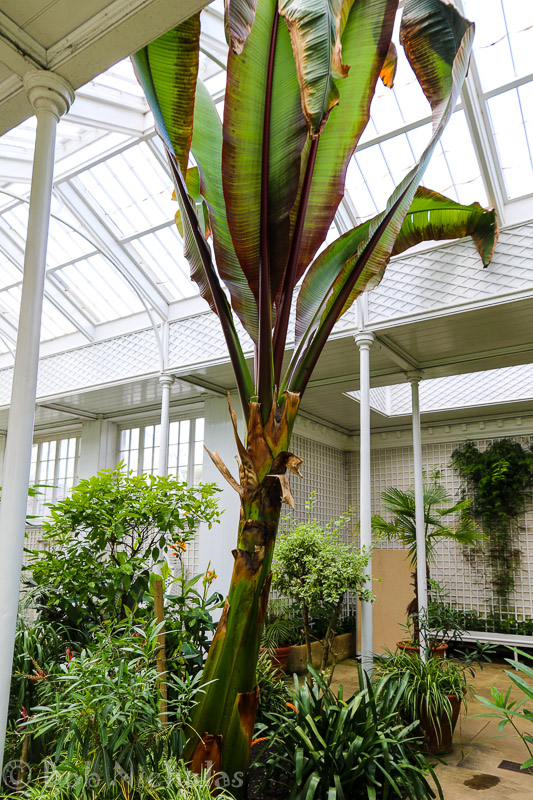
But there is more to Tatton than just the great outdoors. Heading back up to the mansion we wander into the Orangery, Fernery and the Victorian Glasshouses. Here there are actually Oranges, Lemons, various varieties of Grapes and Strawberries ready for picking.
The Fernery, Tatton Park
Glasshouse, Tatton Park
The Orangery, Tatton Park
The Orangery, Tatton Park
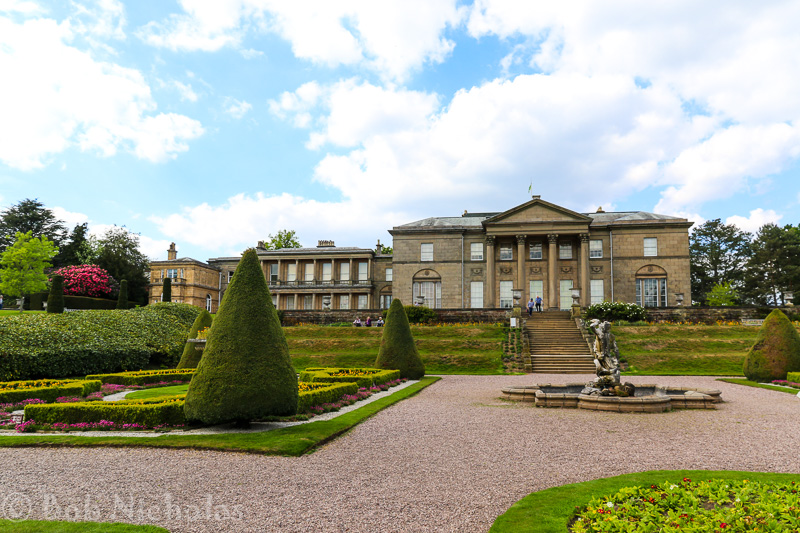
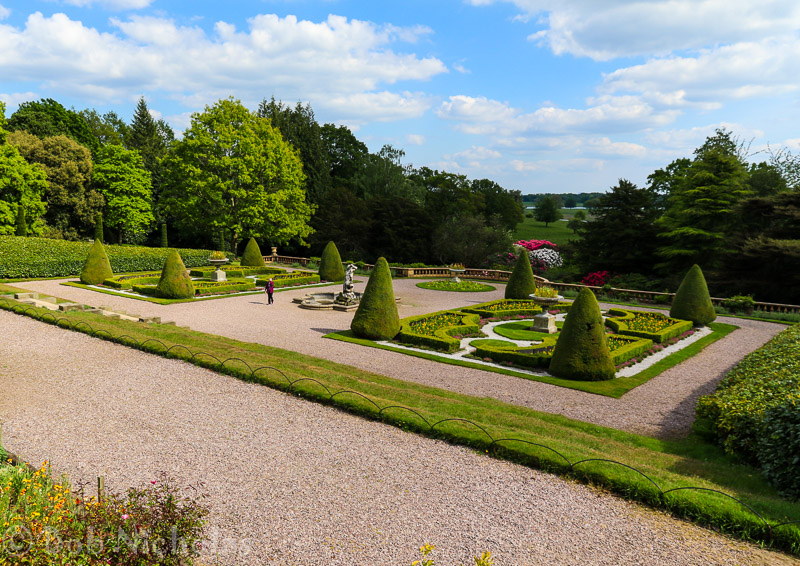
From these fabulous structures we headed over to the Italian Gardens. To be honest we found them to be a little disappointing. Maybe it was the wrong season or, maybe, the scale seemed out of keeping with the rest of the grounds.
Melchette Mere, Tatton Park
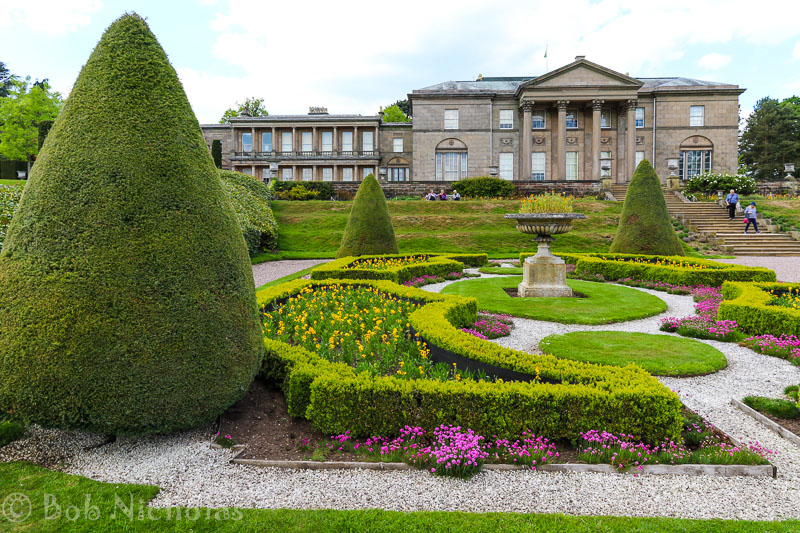
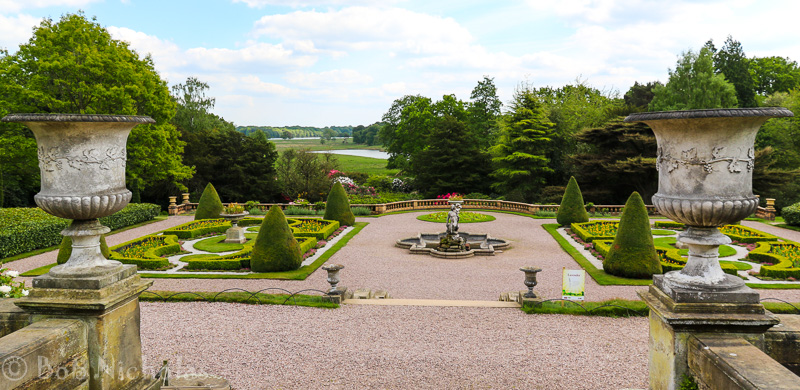
The Mansion viewed across the Italian Garden, Tatton Park
The Mansion viewed across the Italian Garden, Tatton Park
Italian Garden, Tatton Park
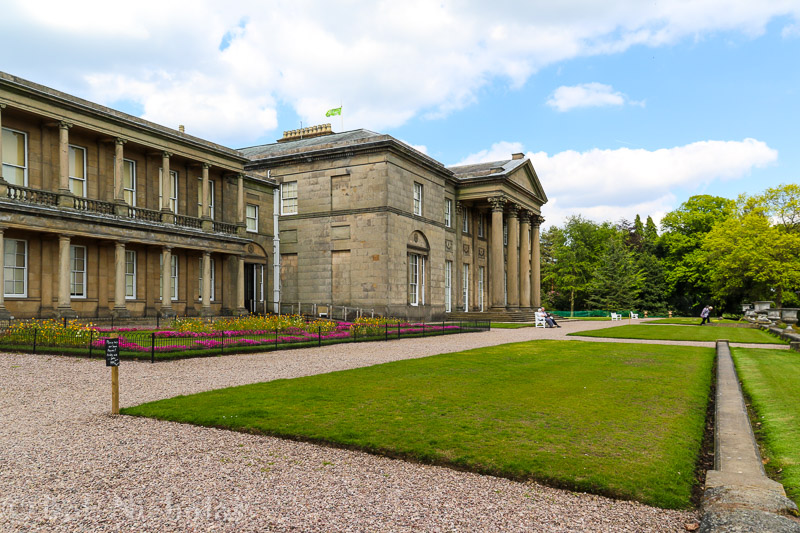
The Mansion, Tatton Park
The Mansion, Tatton Park
As is typical of our wanderings, we were too late to enter the mansion. This ensures that we will have to return to complete our tour. If you are ever in the vicinity I would recommend that you spare the time to visit. Having said that, we spent nearly five hours here and still failed to see it all.
To finish off our visit, we had a cream tea in the Gardeners Cottage Tea Rooms.
Last Saturday we spent a fabulous few hours, with friends, exploring this sculpture park at Churt in Surrey.
The park comprises some 650 modern and contemporary sculptures displayed throughout ten acres of arboretum and water gardens. To do it justice you really need to have 360 degree vision as you explore the various trails. Not only that, but you also have to remember to look up into the trees as the owners of the park have done a marvelous job, secreting many of the exhibits above ones head or within the shrubs and bushes.
The following photos reflect just a subset of the exhibits on view. Where possible, I have added the name of the piece and that of its creator.
Passion Flower
Doctor Foster
SKATERS
Ewe-nicycle
Rutting Stags
Florescense
Sharing Secrets
ARION
3 papillons (Butterfly Trio)
DICENTRA BLEEDING HEART
MODULUS TTS
Weasel
Jazz Man
Icarus II
Silverback Gorilla
Wheels
The Twins
Pair of Goats
Boris, Polar Bear
Rutting Stags
Conversation
Polar Bear
Flying Dream
by Ruth Moiliet
THE 4 HORSES OF APOCALYPSE
Cork Eagle
Ferryman
Narcissus
Dave
Pre-Hysteric
GENERATION
Aida
Stork in a Top Hat
Driftwood Peacock
Final Throes of Dragon Tableaux (Horseshoe Dragon)
PIN BALL WIZZ
BI-POLAR EXPRESS II
THE 4 HORSES OF APOCALYPSE
Global
Hornbill
Jonah
Double Eye
As you can see there is a huge variety of styles. Many of the sculptures are totally surreal and many are just beautiful. All provoke thought and some, even with the aid of the guide book, are just plain confusing. Sometimes you need to look behind an exhibit to understand what is going on. They are not always what they seem ….
The Butler
The Butler
The following is my own particular favourite …… beautiful.
Paraiso (Paradise)
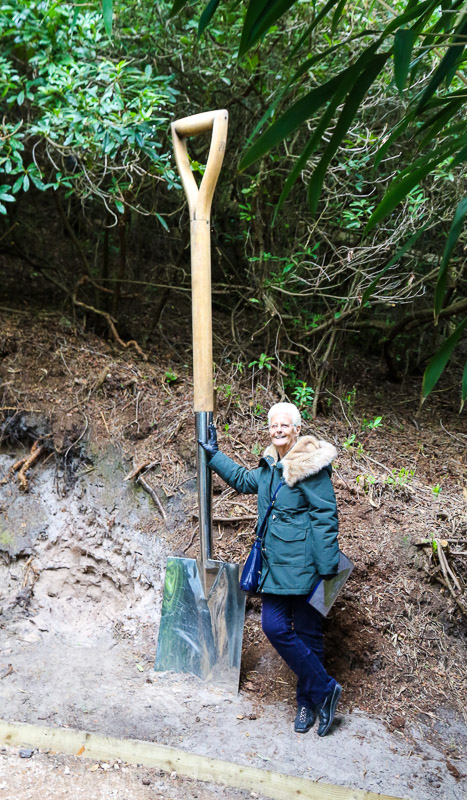
Throughout the park there was a recurring humorous theme …… these guys kept popping up, putting a smile on our faces even when theirs were looking a little manic.
Hard Labour
Penny Farthing
Man Trap
I Beg Your Pardon
Acrobats
Hard Labour
Penny Farthing
And finally, whatever else is said about this park, it’s certainly larger than life.
Oh, and remember, many of these pieces are available to buy…… get your wallets out.



































































 WrAnTz