On the Swan River there is a natural bay, Matilda Bay which is believed to have been named after Matilda, the wife of John Septimus Roe. He was, in the 1800s, the first Surveyor-General of Western Australia and was, for a number of years, a member of Western Australia’s legislative and executive councils.
Whats so interesting about Matilda Bay you may ask.
Nothing, I might have responded, if I hadn’t be commuting along the Mounts Bay Road, every day Monday thru Friday for the last couple of months. Due these regular trips I became aware of two features of the Matilda Bay shore line.
The first being a bronze statue, of a woman preparing to dive, mounted on a pedestal some meters offshore. Eliza is located at the site of the former Crawley Baths.
Apparently, when they opened in 1914, the baths were the largest enclosed body of water in the southern hemisphere. They were demolished in 1964.
Eliza – Matilda Bay, Perth, W.A.
Although Eliza was just dressed in seagull poo yesterday, during my many passes she has been adorned with all manner of clothing, banners and balloons. No one is sure who dresses Eliza but past costumes have included a Santa Claus outfit with beard and coincident with the Melbourne Cup, a frock and champagne flute.
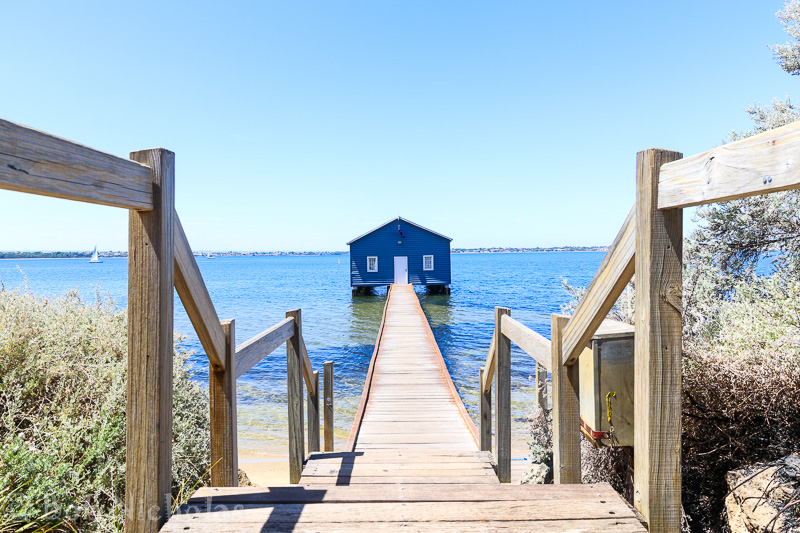
A few years ago this structure was due to be demolished. Like the phoenix it has risen again and has become another icon of Perth, with many tourists travelling here to specifically take selfies.
Crawley Edge Boat Shed – Perth, W.A.
Note: Mounts Bay Road is a very busy road. There are no parking facilities adjacent to either of these features. The nearest parking requires a short, not unpleasant, walk along the shore line.
Thursday and another day spent blowing away the cobwebs. The question was where to go, where could we get some fresh air but without risking getting soaked. The answer was The Weald and Downland Open Air Museum at Singleton.
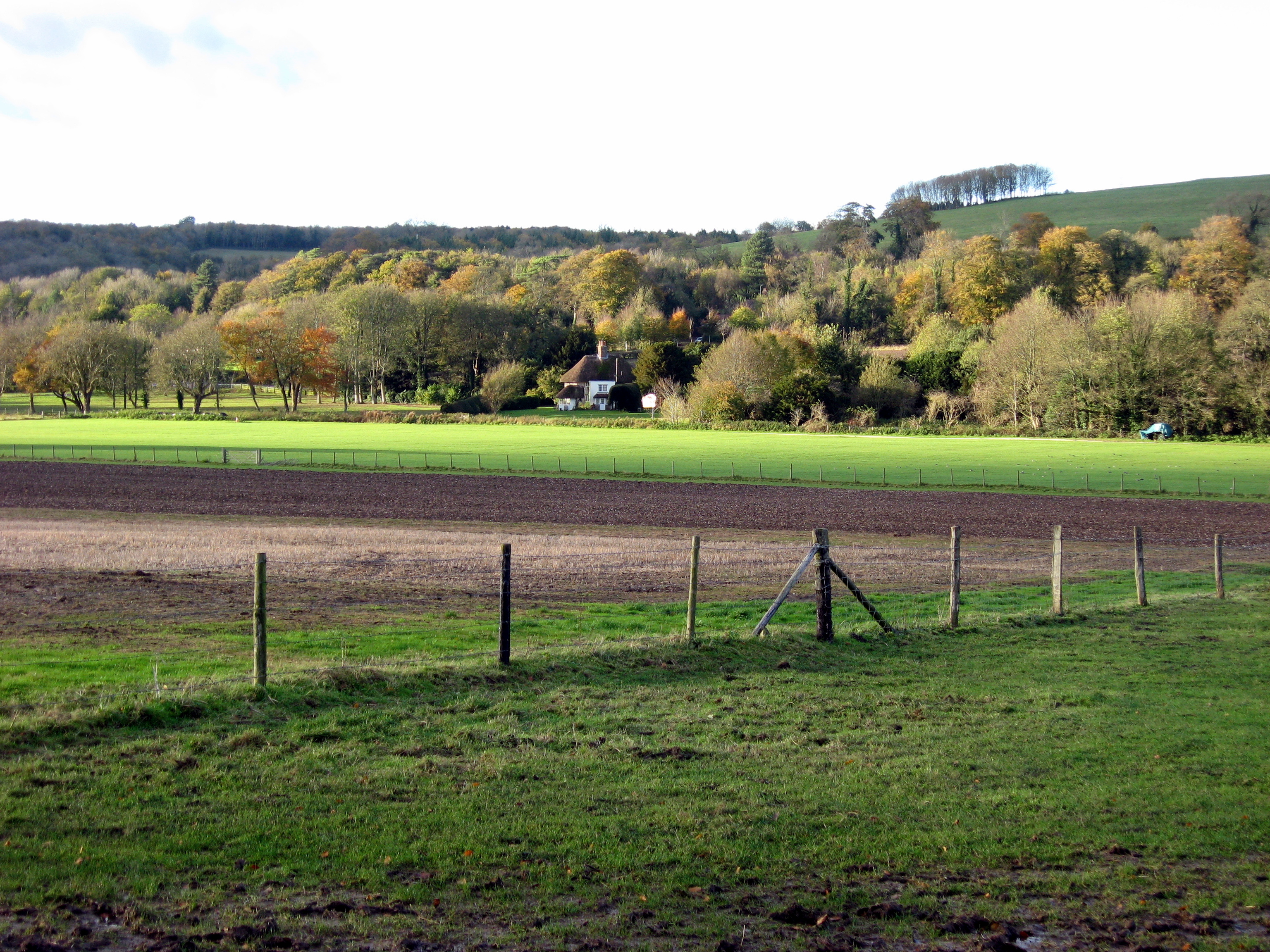
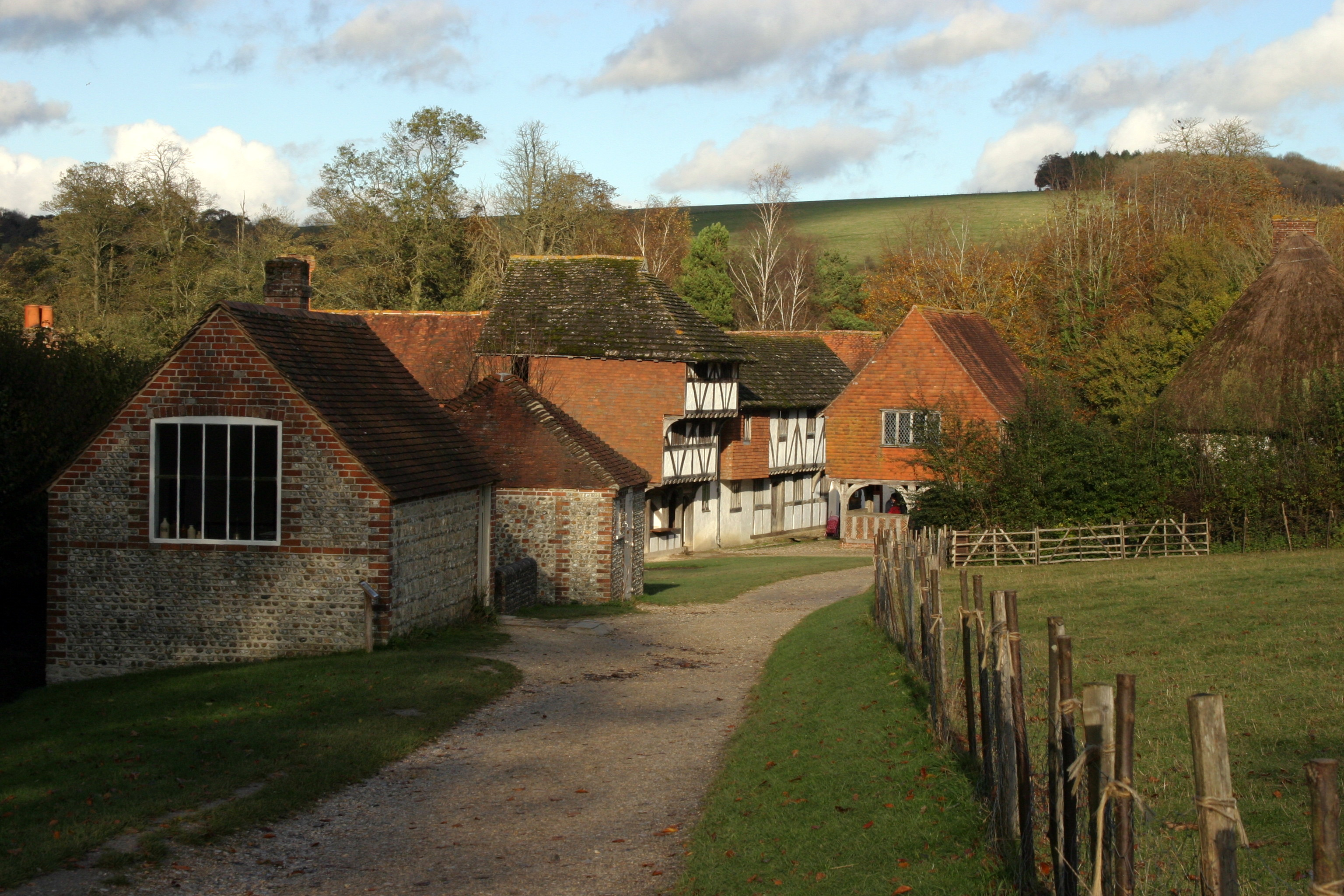
Just a short twenty-mile drive from home, the museum is set in the heart of the South Downs and is encompassed by the South Downs National Park. It is home to around 50 historic buildings that were previously facing destruction. Those buildings were carefully dismantled and have been rebuilt here. All of the buildings, spanning the period c.1300 to c.1910, originate from the Weald and Downland of the counties of Kent, Sussex, Surrey and Hampshire. The museum is set against an ever-changing backdrop of the Sussex downs.
A small portion of the Sussex countryside
Brilliant scenery, interesting historical buildings with animals mixed in. What better way to get fresh air and exercise.
On entering the site and paying a quite modest entry fee you pass through the Hambrook Barn. The barn has an interesting audio / visual display, with many photos of past and present artisans, some of whom may have worked in some of the buildings in the museum
Barn from Hambrook, Sussex
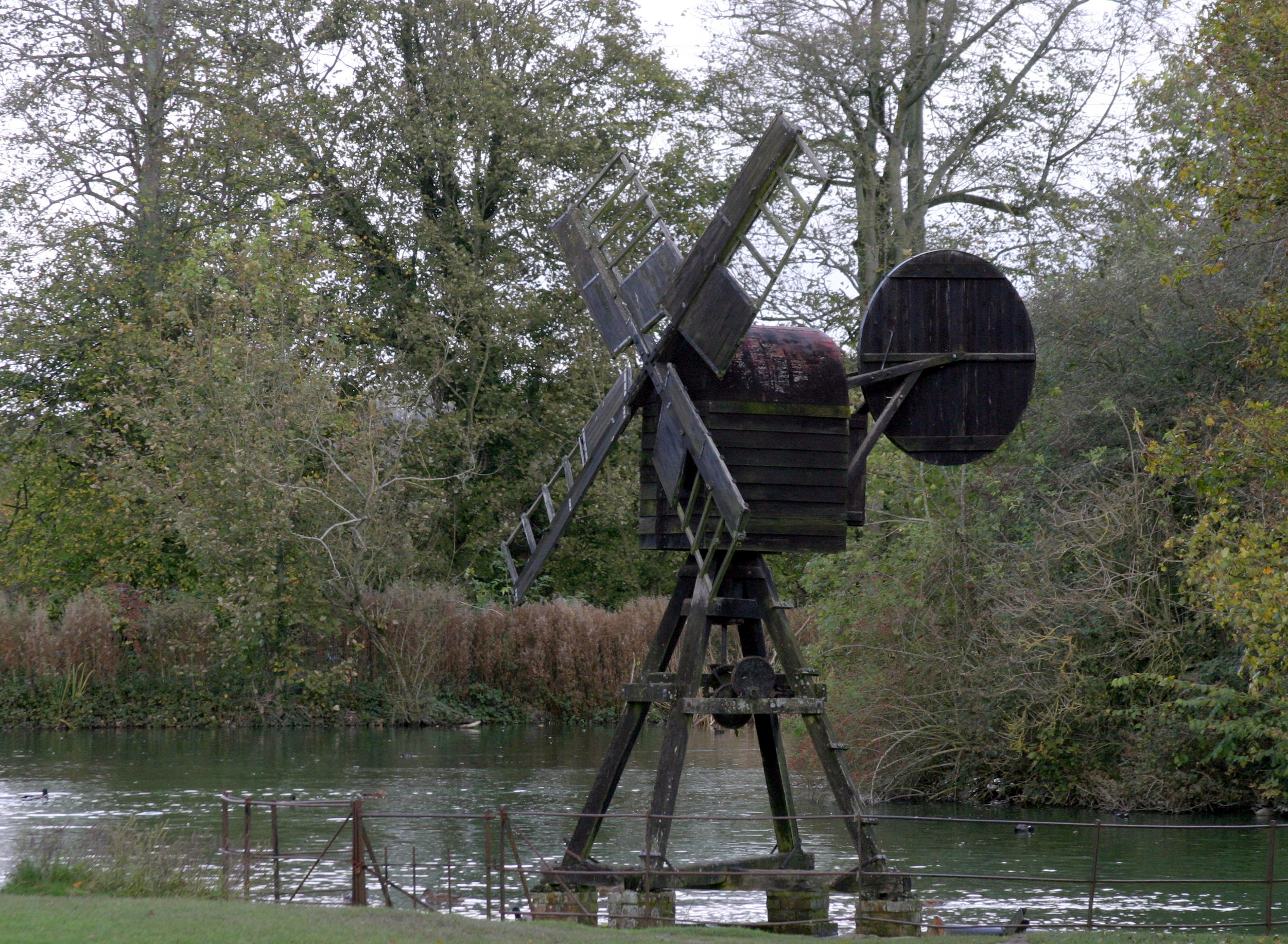
Passing through the barn you are presented with a high level view over The Market place and down to the pond which has a wind powered water pump. The pump was relocated from Pevensey in Sussex.
The Market Place
Wind Pump
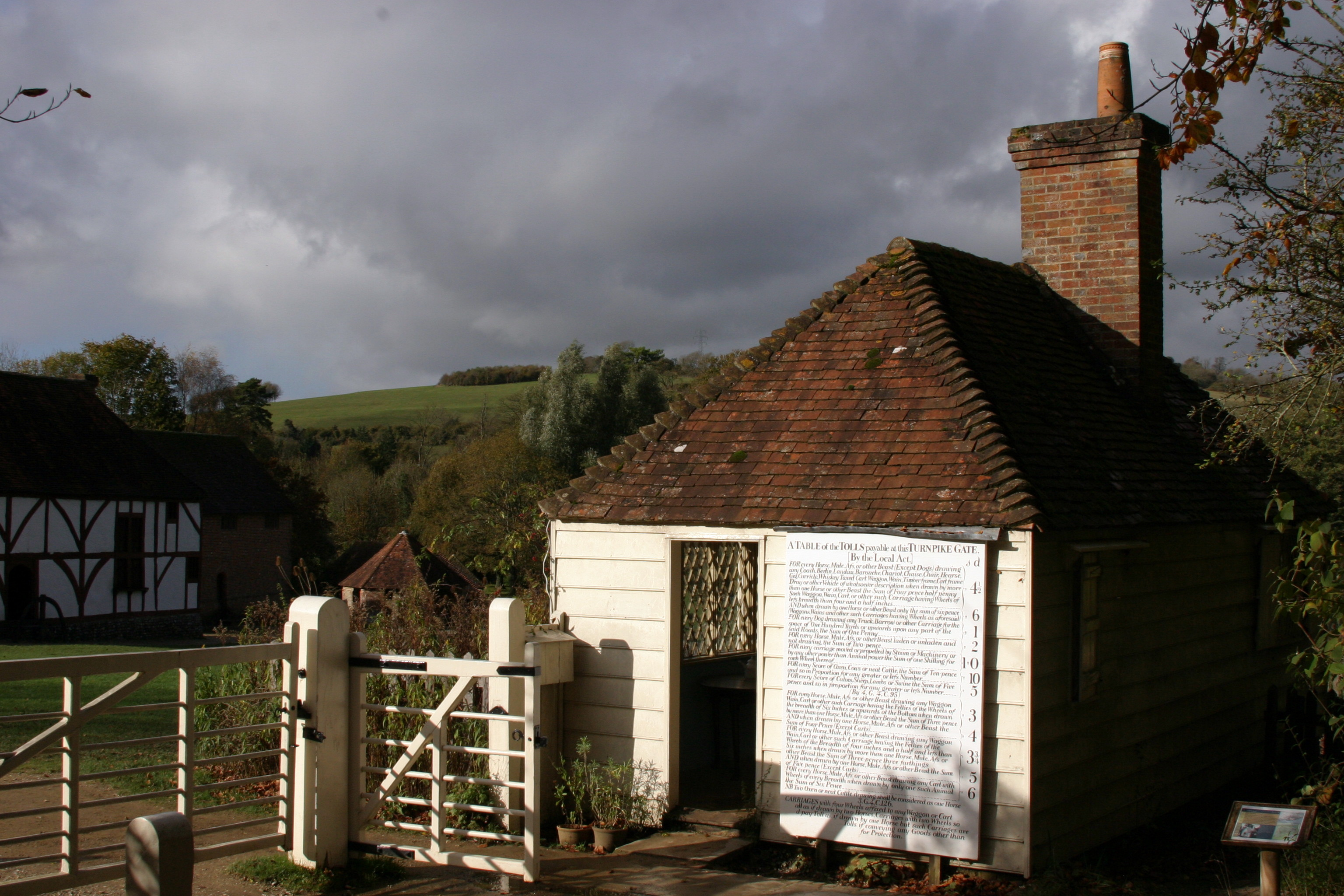
As you stroll down to the pond area you pass the old Tollhouse which was originally from Beeding in Sussex.
Tollhouse
Sat below the pond is the mill that the water drives. The mill is in operation and you can go inside and view the workings as well as purchase fresh ground flour and other goodies. We came away with a number of packets of local biscuits. Yuuumy !!!
Watermill
Pond
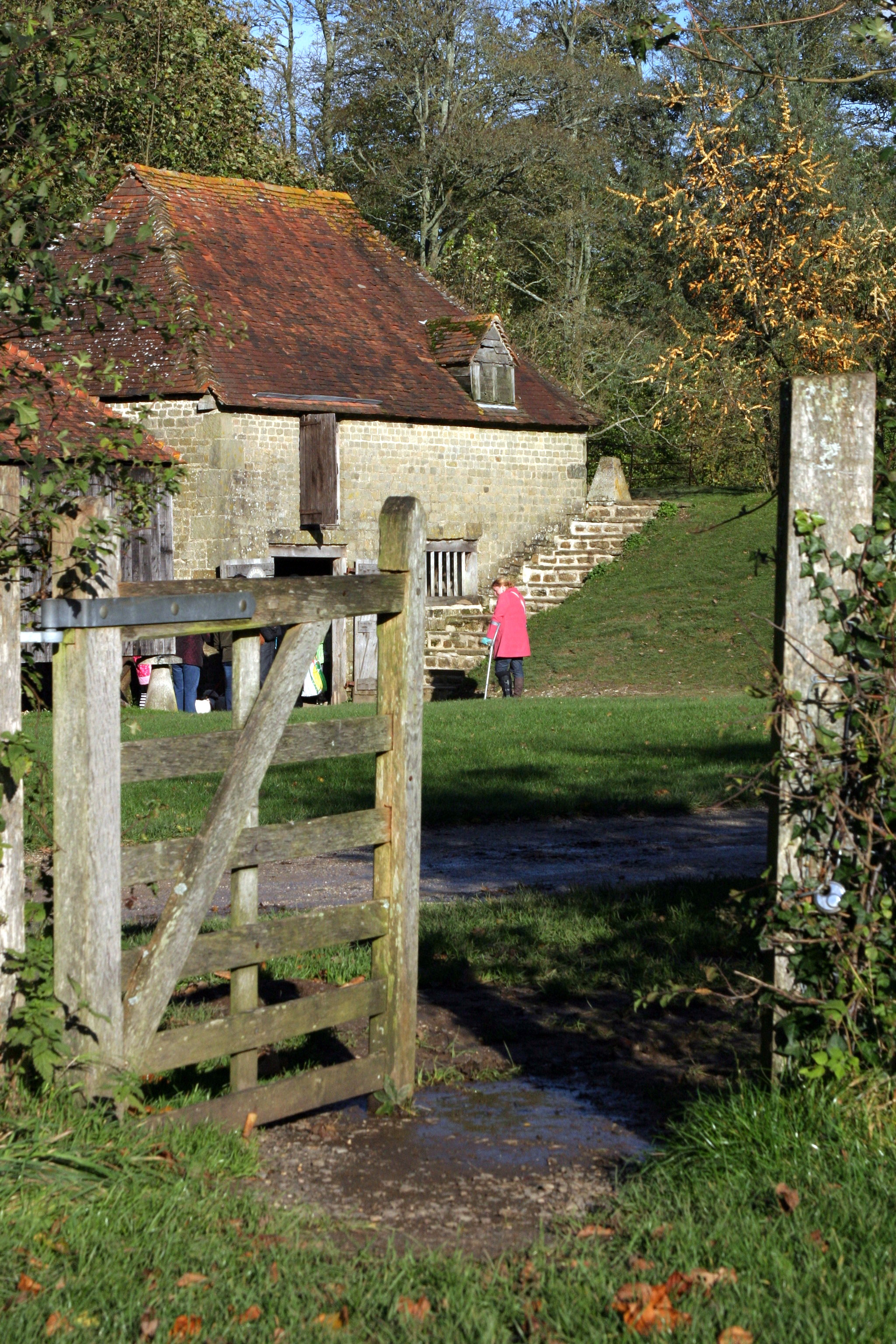
Further round the site there is a working Smithy. The building originates from Southwater which by the way is where some of my family have lived in past times. My grandfather used to work the horses on farmlands around Sussex and who knows he may have visited this building or may have had his horses fitted with shoes from this forge and anvil.
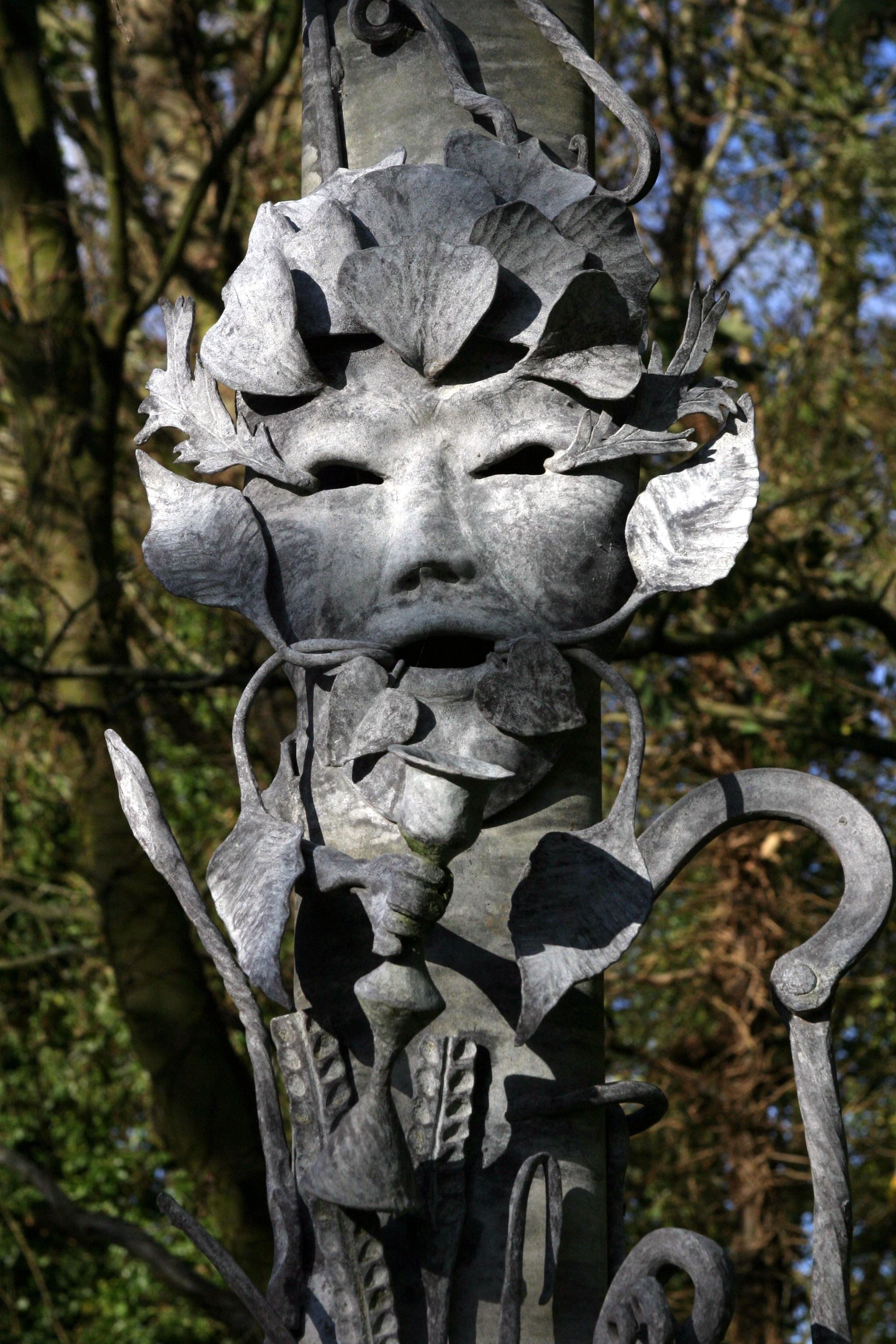
Outside the smithy there is a vertical sculpture. The photo below is a close up of just a part.
Detail From Sculpture near the “Smithy”
Although the buildings are the main reason for the museum one cannot avoid nature. The museum setting means that you are surrounded by beautiful trees, open fields and water.
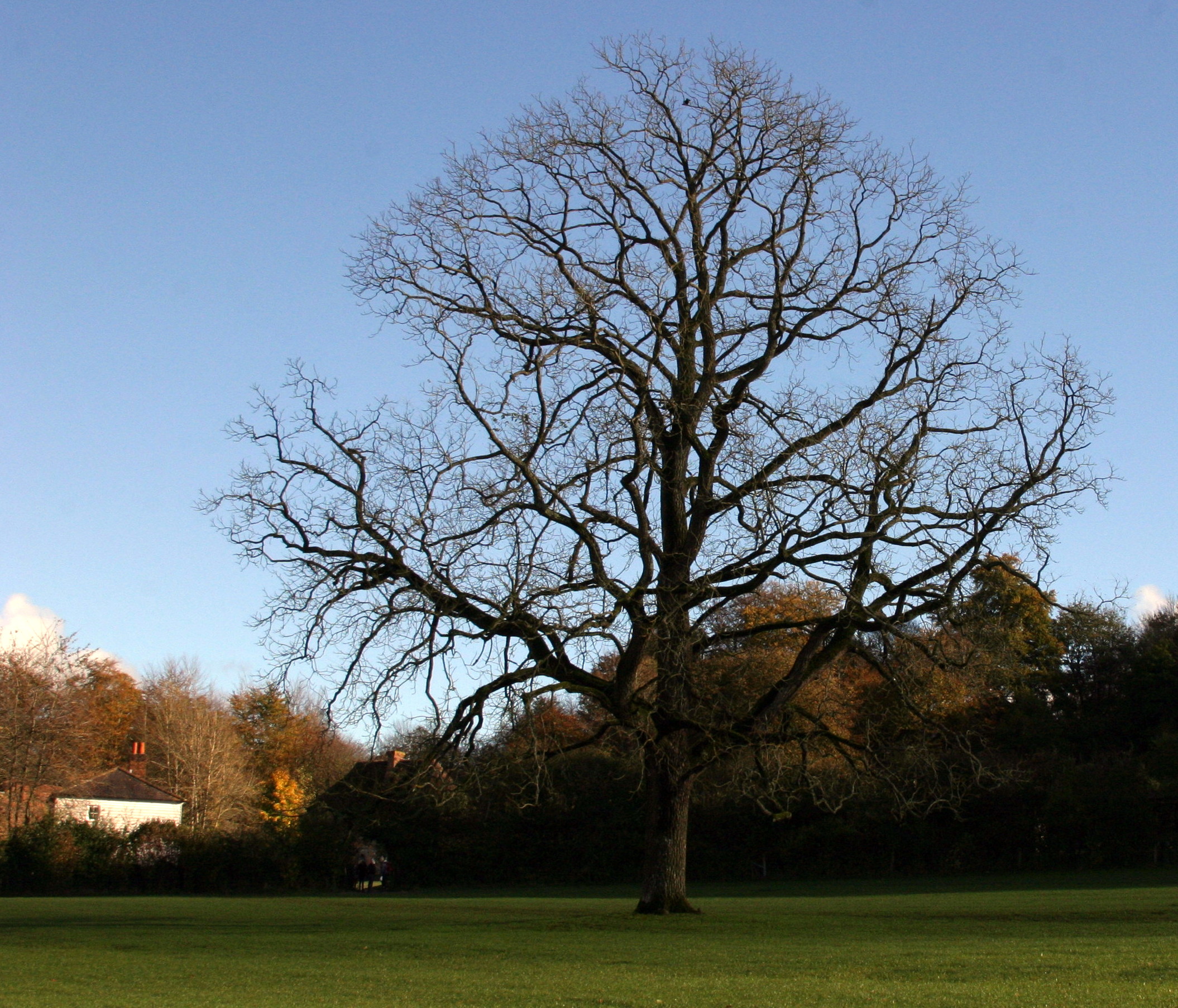
Naked Tree
Lower Mill Pond
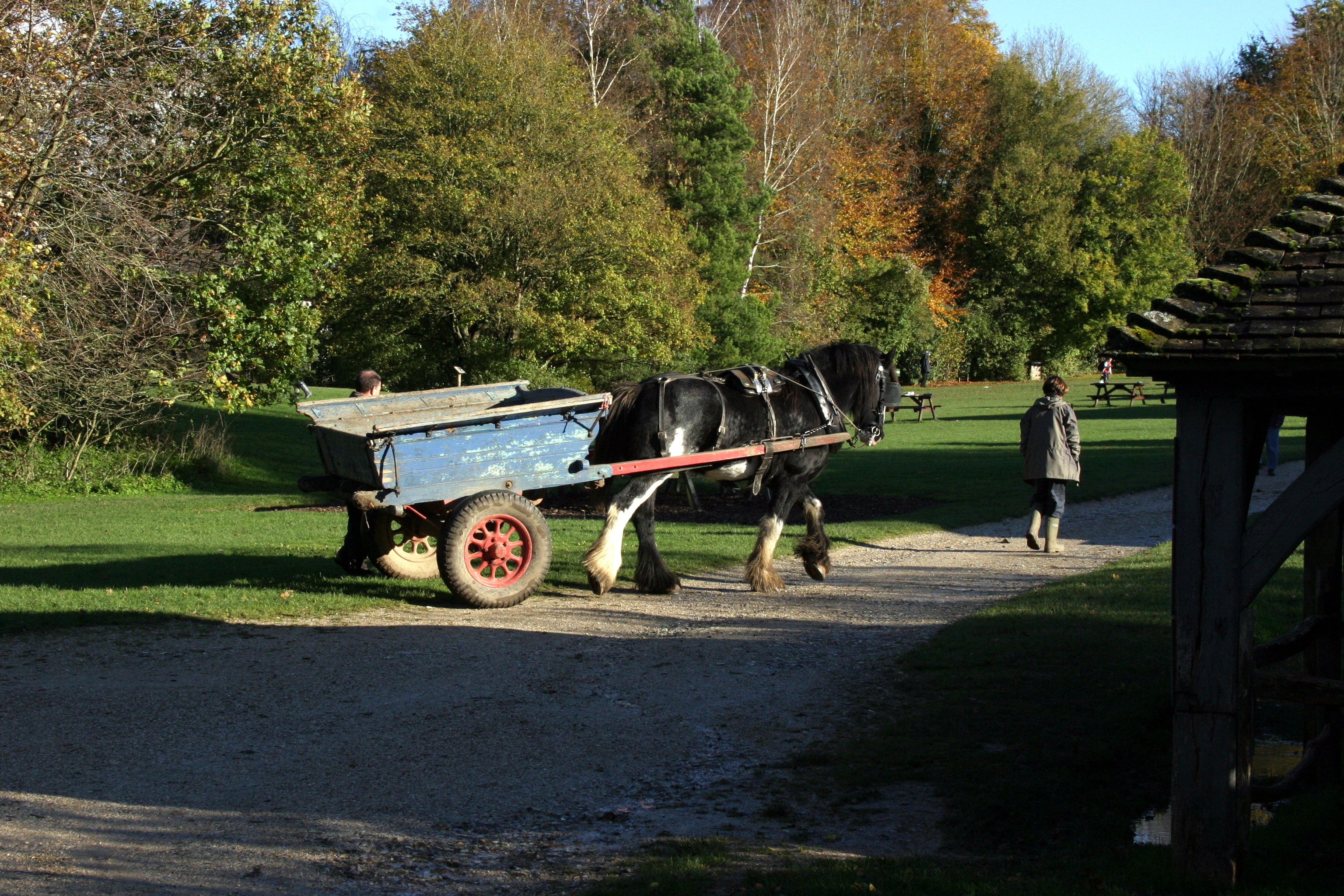
Around the grounds there are various animals most of which are traditional breeds including Shire horses, Sussex cattle, South Down sheep, Tamworth pigs, geese and Light Sussex chickens. The shire horse can be seen working around the site.
A plump / pregnant sheep
One of the shire horses pulling a cart
It is estimated that you need around three hours to take in all the museum has to offer. That is presumably if you don’t just sit on one of the many benches to absorb the sunshine, the beautiful scenery and the peace and tranquility.
Well for the most part anyway. Our little piece of tranquility was punctuated by a very yappy French Poodle and a large family group who could only communicate by shouting and screaming at each other.
Despite the minor negative moments we had a brilliant time and sadly we had to make our way home.







 WrAnTz